
“Commercial grade” for outdoor furniture essentially means it’s built to last longer and withstand more abuse than your typical backyard patio set. Think of it this way: residential furniture is for occasional use by a few people, while commercial furniture is designed for constant use by many different people, often in less-than-gentle ways. It’s about durability, safety, and a higher standard of construction to handle the demands of public spaces like restaurants, hotels, parks, and resorts.
The biggest distinction between residential and commercial outdoor furniture boils down to how long it’s expected to last and how much wear and tear it can handle. It’s not just about looking good; it’s about performing consistently in demanding environments.
Higher Grade Materials
One of the first things you’ll notice when comparing commercial to residential is the quality of the materials used. This isn’t just about the type of material, but also its thickness, treatment, and overall specification.
Heavier Gauges of Metal
For metal frames, commercial-grade often means thicker walls and larger diameters for aluminum or steel tubing. A residential chair might use a 1.2mm gauge aluminum, while a commercial one could be 2.0mm or more. This added thickness significantly increases resistance to bending, denting, and structural fatigue. Stainless steel, when used, will be a higher grade (e.g., 304 or 316 marine-grade for salt environments) and often a heavier gauge.
Solid Wood vs. Veneer
If wood is the material, commercial pieces will almost exclusively use solid hardwoods like teak, eucalyptus, or acacia, often with a higher density and natural resistance to rot and insects. Residential furniture might use softer woods, or even wood composites and veneers that are more susceptible to water damage and splitting over time. The drying and treatment processes for commercial wood are also more rigorous, ensuring greater stability.
Industrial-Strength Plastics and Composites
For plastics, commercial grade means virgin polymers, often high-density polyethylene (HDPE) or polypropylene, sometimes with UV inhibitors blended directly into the material during manufacturing. This makes them resistant to fading, cracking, and brittleness. Residential plastic furniture might use recycled materials or lower-grade plastics that degrade quickly under sun exposure. Commercial-grade plastics are also often thicker and more impact-resistant.
Fabric Toughness (Solution-Dyed Acrylics)
Upholstered commercial outdoor furniture almost exclusively uses solution-dyed acrylic fabrics like Sunbrella or similar brands. The key here is “solution-dyed,” meaning the color is added to the liquid polymer before the fiber is extruded. This makes the fabric incredibly fade-resistant, mold-resistant, and easy to clean. Residential fabrics, even if labeled “outdoor,” are often piece-dyed or topical treatments, meaning the color sits on the surface and will fade much faster.
Enhanced Construction Techniques
It’s not just what materials are used, but how they’re put together. Commercial-grade furniture employs construction methods that prioritize strength and stability over cost savings.
Fully Welded Joints
For metal furniture, fully welded joints are a hallmark of commercial quality. Instead of screws, bolts, or partial welds, commercial pieces will have continuous, smooth welds at all critical stress points. This creates a much stronger, more rigid structure that won’t loosen or wobble over time. Residential metal furniture often relies on nuts and bolts, which can loosen, rust, and eventually fail.
Reinforced Stress Points
Areas that experience high stress, such as leg attachments, armrests, and seat supports, are often reinforced in commercial designs. This could involve internal bracing, thicker material sections, or additional weld points to distribute weight and pressure more effectively.
Superior Fasteners and Hardware
When fasteners are used (for example, to attach slats to a frame), they will be high-quality stainless steel, often marine-grade (316), and robustly sized. They won’t rust, corrode, or strip out easily. Residential furniture might use plated steel or lower-grade stainless that will show rust and degrade over time.
Mortise and Tenon Joinery for Wood
For wooden furniture, traditional joinery methods like mortise and tenon joints, often combined with waterproof epoxies, are preferred over simple screws or dowels. These interlocking joints create a far stronger and more stable connection that can withstand repeated stress.
When considering the durability and quality of outdoor furniture, it’s essential to understand what makes it “commercial grade.” This classification typically indicates that the furniture is designed to withstand heavy use and harsh weather conditions, making it suitable for restaurants, hotels, and other commercial settings. For a deeper insight into the resilience of outdoor furniture, you can explore the article on floodproof innovations and the durability of BT Mart’s outdoor furniture by following this link: Floodproof Innovations: The Resilience of BT Mart’s Outdoor Furniture.
Safety and Stability Standards
Beyond just not falling apart, commercial furniture has to meet higher safety and stability standards, especially in public settings where legal liability is a concern.
Weight Capacity and Stability Testing
Commercial furniture is designed and tested to safely support significantly more weight than residential pieces. A commercial chair might be rated for 300-500 pounds, while a residential one might only be 200-250 pounds. This isn’t just about static weight; it’s also about dynamic loading and resistance to tipping.
Anti-Tipping Design
Design features that prevent tipping are crucial. This includes wider stances, lower centers of gravity, and sometimes even integrated weights. Imagine a busy restaurant patio where chairs are constantly being moved and sat in; a wobbly or easily-tipped chair is a significant hazard.
Smooth Edges and Finishes
Sharp edges, rough surfaces, or splinters are unacceptable in commercial settings. All components are thoroughly finished, sanded, and smoothed to prevent injury to users and damage to clothing.
Fire Retardancy (When Applicable)
In some commercial applications, particularly indoors or in enclosed outdoor spaces, fire retardancy standards for fabrics and sometimes even frame materials may be required. These are specific certifications that residential furniture rarely needs to meet.
Design and Maintenance Considerations
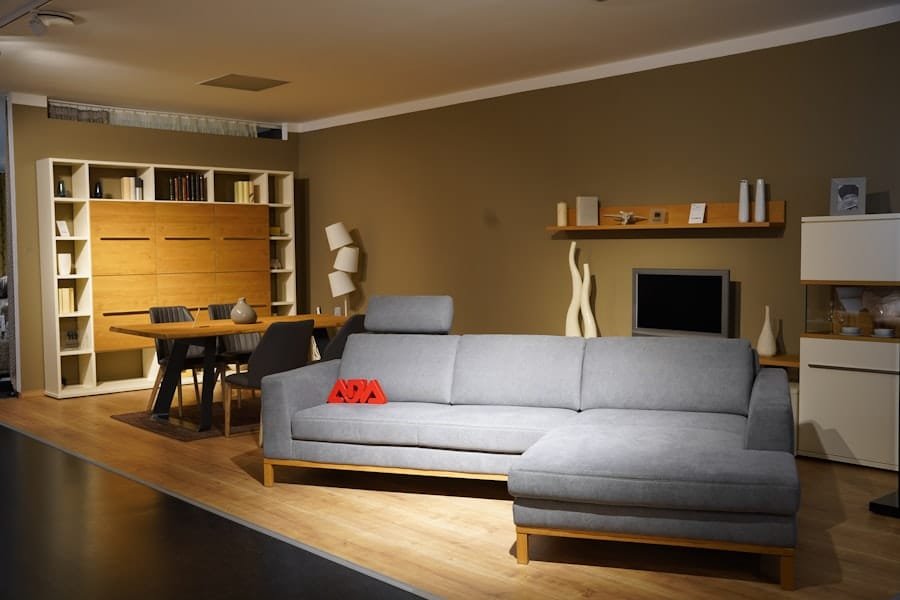
While durability is paramount, commercial furniture also factors in specific design elements and maintenance ease that differ from residential pieces.
Stackability and Storage
Many commercial pieces, especially chairs, are designed to be stackable. This is a huge advantage for businesses that need to reconfigure spaces, clean, or store furniture out of season. Residential furniture often prioritizes individual design over practical stacking.
Space Efficiency for Storage
Stackable designs mean less storage space is required, which is a practical consideration for any business with limited back-of-house areas.
Ease of Movement
Lightweight yet sturdy construction allows for easy rearrangement of furniture, crucial for adapting to different events or customer flows.
Ease of Cleaning and Sanitization
Commercial furniture is built to be cleaned frequently and rigorously. Non-porous surfaces, durable finishes, and materials resistant to cleaning agents are essential.
Impervious to Stains and Spills
Fabrics are treated for stain resistance, and frames are often powder-coated or finished with materials that resist etching from common food and beverage spills.
Resistance to Mildew and Mold
Materials are chosen and treated to resist the growth of mildew and mold, which is particularly important in humid outdoor environments. Fabrics, for example, will often have antimicrobial treatments.
Aesthetic Consistency and Replaceability
Businesses often need a consistent look across many pieces and over a long period. Commercial furniture lines are typically maintained for longer, allowing for easier replacement of individual pieces if one gets damaged, ensuring the overall aesthetic remains intact.
Long Product Lifecycles
Manufacturers of commercial furniture tend to offer product lines for many years, unlike residential trends that change seasonally. This ensures that if a restaurant needs to replace a single chair or table, they can likely find an exact match years down the line.
Bulk Availability
Commercial furniture is almost always available in larger quantities, which is essential for outfitting an entire establishment.
Sure, here is the sentence with the clickable link:
I love to relax in my backyard with beautiful Outdoor Furniture during the summer.
Warranty and Support

The backing from the manufacturer is another clear indicator of commercial grade quality.
Extended Warranties
Commercial outdoor furniture typically comes with significantly longer warranties than residential pieces. While a residential warranty might be 1-3 years, commercial warranties often range from 5 to 15 years, or even a lifetime guarantee on certain components. This reflects the manufacturer’s confidence in the product’s longevity under heavy use.
Understanding Warranty Exclusions
It’s important to read the fine print, as commercial warranties often have specific exclusions for misuse or improper maintenance. However, they generally cover manufacturing defects and material failures under normal commercial use.
Availability of Replacement Parts
Good commercial furniture manufacturers will stock and sell replacement parts like glides, slings, cushions, or specific hardware for many years. This allows businesses to repair instead of replace, extending the life of their investment. Residential furniture often lacks this level of spare part support.
Professional Grade Service and Support
Commercial clients often receive dedicated account managers and support teams, offering advice on layout, maintenance, and bulk purchasing. This level of service is generally not available to individual residential customers.
When considering the durability and quality of outdoor furniture, it’s essential to understand what defines “commercial grade” products. These items are designed to withstand heavy use and harsh weather conditions, making them ideal for restaurants, hotels, and public spaces. For a deeper insight into the characteristics that set commercial grade furniture apart from residential options, you can explore this informative article on outdoor furniture. This resource provides valuable information that can help you make informed decisions about your outdoor space. For more details, check out the article here.
The Cost Factor: An Investment, Not Just an Expense
It’s no secret that commercial-grade outdoor furniture costs more upfront than its residential counterpart. However, viewing it as an investment with a lower total cost of ownership is key.
Higher Upfront Cost
The superior materials, robust construction, and stringent testing all contribute to a higher manufacturing cost, which translates to a higher retail price.
Value Over Price
While the initial price tag might seem steep, consider the cost of replacing residential furniture every 2-3 years versus replacing commercial furniture every 10-15 years. The long-term savings often make commercial furniture the more economical choice for businesses.
Reduced Maintenance and Replacement Costs
Because commercial furniture is built to withstand heavy use and the elements, it requires less frequent repair and replacement. This saves businesses money and time in the long run.
Less Downtime
If furniture is constantly breaking or needing repair, it can lead to downtime for a business, where tables or seating areas can’t be used, potentially impacting revenue. Commercial-grade minimizes this.
Enhanced Brand Image
Durable, well-maintained furniture projects a professional and high-quality image to customers, contributing to a positive experience and strengthening a brand. Shabby, broken, or faded furniture can have the opposite effect.
In essence, “commercial grade” means furniture that’s engineered and built for relentless performance. It’s an investment in durability, safety, and operational efficiency, designed to withstand the rigors of public use while maintaining its appearance and functionality for years to come.
FAQs
What is “commercial grade” outdoor furniture?
Commercial grade outdoor furniture is designed and manufactured for use in high-traffic, public spaces such as restaurants, hotels, and resorts. It is built to withstand frequent use and harsh outdoor conditions.
What are the key characteristics of commercial grade outdoor furniture?
Commercial grade outdoor furniture is typically made from durable materials such as aluminum, steel, or high-density polyethylene. It is designed to be weather-resistant, UV-resistant, and easy to clean. Additionally, commercial grade furniture often features reinforced construction and extra support for added durability.
How does commercial grade outdoor furniture differ from residential outdoor furniture?
Commercial grade outdoor furniture is built to withstand heavy use and harsh outdoor conditions, whereas residential outdoor furniture is designed for personal use in a home setting. Commercial grade furniture is typically more durable, weather-resistant, and longer-lasting than residential furniture.
What are the benefits of using commercial grade outdoor furniture?
The benefits of using commercial grade outdoor furniture include its durability, weather-resistance, and low maintenance requirements. It is designed to withstand heavy use and harsh outdoor conditions, making it ideal for commercial settings such as restaurants, hotels, and resorts.
Where can commercial grade outdoor furniture be used?
Commercial grade outdoor furniture can be used in a variety of public spaces, including restaurants, hotels, resorts, parks, and other outdoor venues. It is also suitable for use in high-traffic areas such as poolside, patios, and outdoor dining areas.