
So, you’re looking to bring your cafe or restaurant to life outdoors? Great idea! Outdoor dining is a fantastic way to expand your capacity, offer a different vibe, and capitalize on good weather. But how do you actually do it? It’s more than just shoving a few tables outside. It’s about creating a functional, comfortable, and appealing space that works for your staff and your customers. Let’s break it down into practical steps.
Before you even think about chair styles or umbrella colors, you need to get a handle on the basics. This initial planning will save you a lot of headaches (and money) down the line.
Understanding Your Space and its Limitations
- Size and Shape: How much usable space do you actually have? Measure it out. Think about the flow of people – customers coming and going, your servers carrying food and drinks. Is it a long, narrow strip, a square patio, or a more complex shape? This will dictate how many tables you can fit and what layout makes sense.
- Existing Structures and Features: Are there any permanent fixtures like pillars, steps, or drains that you need to work around? These aren’t obstacles, they’re part of the canvas. Plan your furniture placement with them, not just in spite of them.
- Sun and Shade: Where does the sun hit throughout the day? Are there natural shady spots you can utilize, or will you need to create your own? This directly impacts customer comfort.
- Wind Exposure: Is your space prone to strong winds? This will influence your furniture choices and the need for things like umbrella anchors or even windbreaks.
Budgeting for the Long Haul
- Initial Investment vs. Long-Term Value: Don’t just look at the sticker price. Consider durability, maintenance, and how often you might need to replace items. Investing in slightly higher quality, weather-resistant pieces can be more cost-effective in the long run than constantly replacing cheap furniture.
- Hidden Costs: Think beyond furniture. You’ll likely need to factor in things like:
- Umbrellas or Shade Structures: Essential for comfort and protection.
- Lighting: For evening service and ambiance.
- Heating or Cooling: Depending on your climate and desired operating season.
- Ground Cover: If the area isn’t already paved or decked, you might need to add gravel, pavers, or a wooden deck.
- Delivery and Assembly: These can add up.
- Maintenance Supplies: Cleaning products, sealants, etc.
- Contingency Fund: Always have a little buffer for unexpected issues or opportunities.
Checking Local Regulations and Permits
- Zoning Laws: Are there rules about how you can use your outdoor space for commercial purposes?
- Permits for Structures: Do you need permits for any additions like pergolas, awnings, or even large umbrellas?
- Accessibility Requirements: Ensure your outdoor space meets ADA (Americans with Disabilities Act) or similar local accessibility standards. This includes clear pathways and accessible table heights.
- Noise Ordinances: If you plan on having music or a lively atmosphere, be aware of any local noise restrictions.
- Health and Safety Codes: Sometimes there are specific requirements for outdoor dining areas, especially concerning food prep and waste disposal.
When considering how to furnish an outdoor cafe or restaurant space, it’s essential to prioritize durability and resilience in your furniture choices. A related article that explores innovative solutions for outdoor furniture is titled “Floodproof Innovations: The Resilience of BT Mart’s Outdoor Furniture.” This piece delves into the advancements in outdoor furniture design that can withstand various environmental challenges, making it a valuable resource for anyone looking to create a lasting outdoor dining experience. For more insights, you can read the article here: Floodproof Innovations: The Resilience of BT Mart’s Outdoor Furniture.
Choosing the Right Furniture: Comfort Meets Durability
This is where things get tangible. The furniture you select will define the customer experience. It needs to look good, feel good, and stand up to the elements.
Tables: The Foundation of Your Dining Area
- Materials:
- Metal (Aluminum, Wrought Iron): Durable, often lightweight (aluminum), and can be stylish. Aluminum is rust-resistant. Wrought iron is heavy and sturdy but can rust if not properly treated. Consider powder-coated finishes for better protection.
- Wood (Teak, Acacia, Recycled Plastic): Teak is a premium choice, naturally weather-resistant and durable, but expensive. Acacia is a more affordable hardwood that still offers good durability. Recycled plastic furniture is an eco-friendly option that is extremely low maintenance and resistant to rot, warping, and fading.
- Laminate/Resin: Often more budget-friendly. Look for outdoor-specific varieties that are UV-resistant and waterproof. They can be lighter and easier to move.
- Size and Shape:
- Square/Rectangular: Good for maximizing seating capacity in linear spaces or when booths are involved.
- Round: Encourages conversation and can feel more intimate. They also tend to make it easier for staff to navigate around.
- Bistro Tables: Smaller, often round, perfect for couples or quick coffee stops.
- Height: Standard dining height (around 28-30 inches) is best for full meals. Bar-height tables (around 36-42 inches) can offer a different vibe and are good for a more casual feel or for areas where standing might be common.
Seating: Where Comfort is Key
- Chair Materials:
- Metal: Similar considerations to table materials. Ensure good ergonomics.
- Wood: Again, teak and acacia are good choices. Some woods might require regular sealing.
- Wicker/Rattan (Synthetic): Very popular for outdoor furniture. Modern synthetic versions are made from UV-resistant polyethylene that won’t rot, fade, or crack. They offer a comfortable, woven look.
- Plastic/Polypropylene: Lightweight, stackable, and very easy to clean. Look for UV stabilizers to prevent fading.
- Comfort Factors:
- Ergonomics: Do the chairs feel comfortable to sit in for an extended period? Consider back support.
- Cushions: If you opt for cushions, choose outdoor-specific fabrics that are water-repellent, UV-resistant, and mildew-resistant. Removable covers are a big plus for cleaning. Consider quick-drying foam.
- Types of Seating:
- Individual Chairs: Offer flexibility and easy arrangement.
- Benches: Can be space-efficient for certain layouts, offering seating for multiple people.
- Booths (if space allows): Create a more defined and intimate dining experience. Outdoor booths can be custom-built or purchased.
Creating Ambiance: More Than Just Tables and Chairs
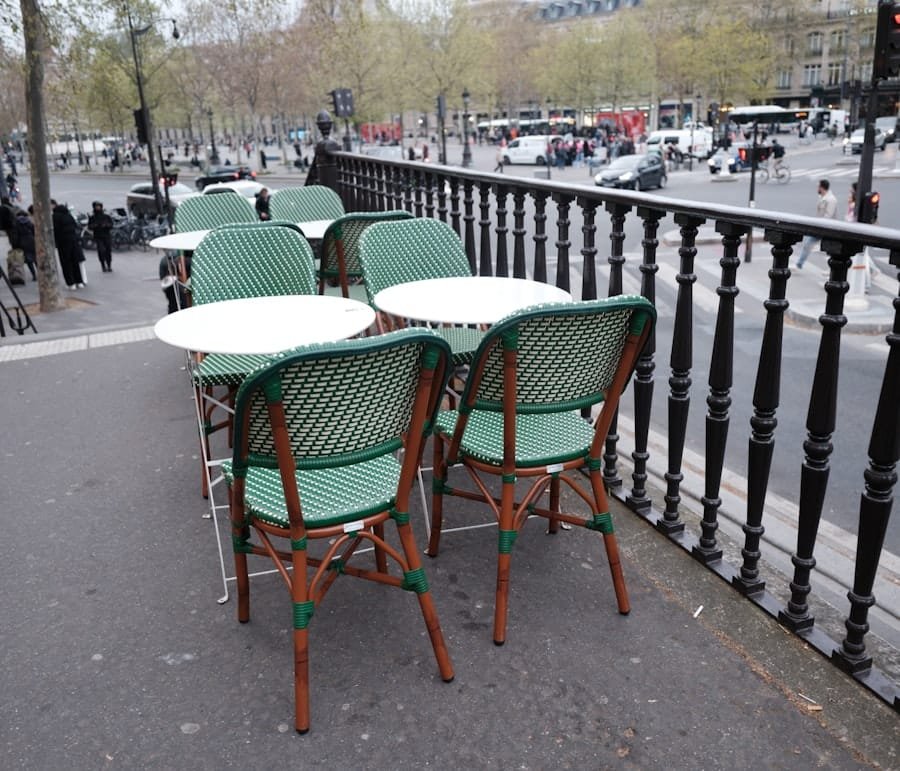
The look and feel of your outdoor space are just as important as its functionality. This is where you create an experience that draws people in.
Shade Solutions: Protecting Your Patrons
- Umbrellas:
- Market Umbrellas: The classic choice. Look for durable fabrics (acrylics like Sunbrella are excellent), sturdy frames (aluminum or fiberglass), and robust bases. Consider cantilevered (offset) umbrellas if you don’t want a central pole interfering with table placement.
- Sizes and Shapes: From small bistro umbrellas to large patio umbrellas that can cover multiple tables.
- Stability: Ensure umbrella bases are heavy enough for the size of the umbrella and the wind conditions. Sand or water-filled bases are common, but concrete or in-ground mounts offer the most security.
- Awnings and Canopies:
- Retractable Awnings: Offer flexibility, allowing you to deploy shade when needed and retract them during inclement weather or for stargazing.
- Fixed Canopies/Pergolas: Provide more permanent shade and can be a structural element of your outdoor design. They can also be used to hang lights or planters.
- Natural Shade: If you have mature trees, incorporate them into your design! They provide excellent, natural shade and add a beautiful element.
Lighting: Setting the Mood After Dark
- Functional Lighting: Ensure pathways are well-lit for safety and that your servers can see what they’re doing. Think about task lighting near service stations.
- Ambient Lighting:
- String Lights (Fairy Lights, Edison Bulbs): A very popular and effective way to create a warm, inviting atmosphere. Use outdoor-rated strands.
- Lanterns: Can be placed on tables, hung from structures, or placed along pathways.
- Uplighting/Downlighting: Strategically placed lights can highlight architectural features, plants, or artwork.
- Candles (or LED alternatives): For table lighting, adding a classic touch of romance or coziness. Always prioritize safety with open flames.
- Consider Dimmers: Allowing you to adjust the lighting levels throughout the evening.
Decorative Elements: The Finishing Touches
- Plants and Greenery:
- Potted Plants: Add color, life, and a sense of separation between tables. Choose hardy, weather-tolerant species.
- Hanging Baskets: Utilize vertical space and add charm.
- Vertical Gardens: A space-saving and visually striking option.
- Outdoor Rugs: Can define seating areas, add color and pattern, and make the space feel more comfortable underfoot. Choose rugs made from durable, weather-resistant materials.
- Tableware and Linens: If you’re using linens, choose outdoor-friendly fabrics. Consider themed tableware that complements your restaurant’s overall style.
- Art and Signage: Tasteful outdoor art can enhance the ambiance. Ensure any signage is weather-resistant and clearly visible.
Sure, here is the sentence with the clickable link:
I love to relax in my backyard with beautiful Outdoor Furniture during the summer.
Flow and Functionality: Making it Work for Your Business
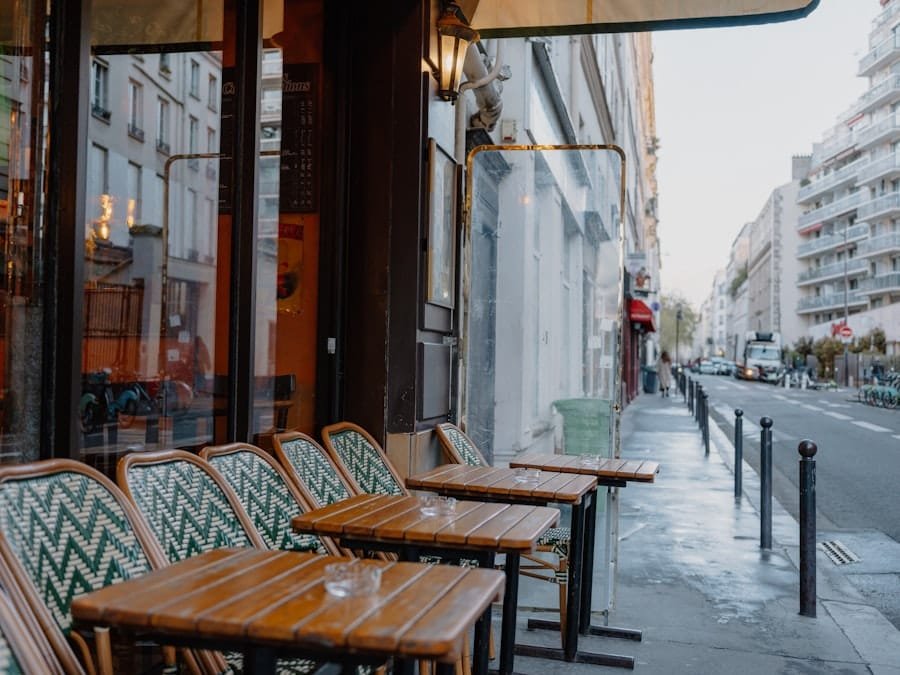
A beautiful outdoor space is useless if it’s a nightmare to operate. Think about how your staff will move and serve.
Layout and Traffic Flow
- Pathways: Ensure there are clear, unobstructed pathways for customers to get to their tables and for staff to move efficiently. Aim for at least 3 feet of clearance for main pathways.
- Table Spacing: Don’t cram tables too close together. This is uncomfortable for customers and makes it difficult for servers to navigate. A general guideline is 18-24 inches between the edges of occupied tables.
- Service Stations: Where will your servers pick up drinks, drop off dirty dishes, or grab cutlery? Plan for accessible, yet unobtrusive, service areas.
- Entrance and Exit Points: Make sure customers can easily find their way in and out of the outdoor space.
Weatherproofing and Maintenance: The Practical Side
- Material Choices: As discussed, choosing weather-resistant materials from the start is key. This means investing in furniture that can withstand sun, rain, and temperature fluctuations without degrading.
- Cleaning and Care:
- Regular Cleaning: Develop a routine for wiping down tables and chairs, sweeping floors, and cleaning cushions.
- Deep Cleaning: Periodically, you’ll need to do more thorough cleaning, which might involve pressure washing (on appropriate surfaces) or specialized cleaners for certain materials.
- Fabric Care: Learn how to properly clean and treat outdoor cushion fabrics.
- Storage:
- Off-Season Storage: If you’re in a climate with harsh winters, you’ll need a plan for storing your outdoor furniture. Consider covered storage to protect it from moisture and damage.
- Daily/Weekly Storage: If you need to bring in cushions or smaller items at night or during bad weather, make this process as easy as possible. Stackable chairs and furniture with covers can help.
- Repairs and Touch-ups: Be prepared to make minor repairs as needed. This might involve tightening screws, touching up paint, or replacing worn parts. Proactive maintenance will extend the life of your investment.
When considering how to furnish an outdoor cafe or restaurant space, it’s essential to select furniture that not only enhances the ambiance but also withstands the elements. A great resource for exploring various options is the article on the BT Marts Collection of Outdoor Furniture, which provides insights into durable and stylish pieces that can elevate any outdoor dining experience. You can read more about it here. This guide can help you make informed decisions that align with your vision for a welcoming and functional outdoor area.
Integrating with Your Indoor Space: A Seamless Experience
Your outdoor area shouldn’t feel like a separate entity. It should be an extension of your indoor restaurant.
Consistent Branding and Style
- Color Palettes: Use colors that complement your indoor decor.
- Material Similarities: If you have wooden elements inside, consider wooden outdoor furniture. If your indoor aesthetic is modern and minimalist, choose sleek outdoor pieces.
- Menu Presentation: Ensure your outdoor menus are easy to read and maintain a consistent look with your indoor menus.
- Staff Uniforms: Consider if staff uniforms should have a slightly different, perhaps more casual, look for outdoor service.
Accessibility and Transitions
- Doorways: Ensure easy access from your indoor space to your outdoor seating area. Wide doorways or sliding doors are ideal.
- Level Changes: Minimize or eliminate significant level changes between indoor and outdoor spaces to ensure accessibility and prevent tripping hazards.
- Comfort Control: Think about how you’ll manage the transition in temperature. If you have an open doorway, you might consider outdoor fans or heaters near the entrance to regulate airflow.
Service Integration
- POS Systems: Can your point-of-sale system handle orders from the outdoor area efficiently?
- Staff Training: Ensure your staff are trained on the specific needs of outdoor service, including navigating different layouts, managing weather-related issues, and ensuring customer comfort.
- Communication: How will staff communicate between the indoor kitchen and the outdoor dining area? This might involve walkie-talkies or a well-defined runner system.
By thinking through these steps, you can create an outdoor dining space that’s not just an addition, but a thriving, comfortable, and profitable extension of your restaurant. It’s about creating a place people want to be, in any weather (within reason, of course!).
FAQs
1. What are some key considerations when furnishing an outdoor cafe or restaurant space?
When furnishing an outdoor cafe or restaurant space, it’s important to consider the climate and weather conditions, the overall aesthetic and theme of the establishment, the durability and maintenance of the furniture, and the comfort and functionality for guests.
2. What types of furniture are suitable for outdoor cafe or restaurant spaces?
Suitable outdoor furniture for cafe or restaurant spaces includes weather-resistant materials such as aluminum, teak, or polypropylene. Common options include dining tables and chairs, bar stools, lounge seating, umbrellas, and outdoor heaters.
3. How can outdoor furniture be arranged to optimize space and create a welcoming atmosphere?
To optimize space and create a welcoming atmosphere, outdoor furniture can be arranged in a way that allows for easy traffic flow, maximizes seating capacity, and creates designated areas for dining, lounging, and socializing. Consider using a mix of seating options and incorporating greenery or decorative elements.
4. What are some tips for maintaining outdoor furniture in a cafe or restaurant setting?
To maintain outdoor furniture in a cafe or restaurant setting, it’s important to regularly clean and inspect the furniture for any signs of wear or damage. Using protective covers during inclement weather, storing furniture during off-seasons, and following manufacturer’s guidelines for care and maintenance can help prolong the lifespan of the furniture.
5. Are there any regulations or guidelines to consider when furnishing an outdoor cafe or restaurant space?
When furnishing an outdoor cafe or restaurant space, it’s important to consider local regulations and guidelines regarding outdoor seating, zoning, and safety requirements. This may include obtaining permits for outdoor seating, adhering to occupancy limits, and ensuring compliance with ADA accessibility standards.