
When it comes to enjoying your outdoor space, the right patio furniture makes all the difference. It transforms a simple slab of concrete or patch of grass into an inviting extension of your home. This guide will walk you through everything you need to know, from choosing materials to understanding maintenance, so you can create the perfect outdoor oasis that truly suits your lifestyle.
1. Starting with Your Outdoor Space: Planning Before You Buy
Before you get swept away by stylish showroom pieces, take a moment to assess your outdoor area. A little planning goes a long way in ensuring your patio furniture is both functional and beautiful.
1.1. Measuring Up Your Area
Grab a tape measure and jot down the dimensions of your patio, deck, balcony, or yard section where you plan to place furniture. Don’t just measure the length and width; consider any awkward corners, existing structures like built-in planters, or pathways you need to keep clear. This prevents that frustrating moment when your dream sofa arrives, only to find it blocks access to the grill.
1.2. Considering Your Lifestyle Needs
How do you envision using your outdoor space most often?
- Dining: If al fresco meals are a regular occurrence, prioritize a sturdy dining set with enough seating for your usual crowd.
- Lounging: For relaxation, reading, or napping, comfortable sofas, sectionals, chaises, or daybeds are key.
- Entertaining: If you frequently host gatherings, think about flexible seating arrangements, perhaps a fire pit with surrounding chairs, or extra side tables for drinks and snacks.
- Small Spaces: Balconies or tiny patios might benefit from bistro sets, folding furniture, or compact modular pieces that can be reconfigured.
- Family with Kids/Pets: Durability and easy-to-clean materials will be high on your list. Avoid delicate fabrics or furniture with sharp edges.
1.3. Assessing Climate and Exposure
Your local climate plays a huge role in determining the best materials for your furniture.
- Sunny, Hot Climates: Materials that resist UV fading and don’t get scorching hot are crucial. Aluminum, teak, and synthetic wicker are good choices.
- Rainy, Humid Climates: Look for materials that are water-resistant and won’t rust, rot, or grow mildew easily. Aluminum, teak, and plastics excel here.
- Windy Areas: Heavier furniture made from wrought iron or solid wood will be less likely to blow away.
- Coastal Areas: Salt air can be corrosive. Marine-grade aluminum, high-quality HDPE wicker, and teak are often recommended for their resilience.
If you’re looking to enhance your outdoor living space, you might find our article on “Choosing the Right Materials for Your Patio Furniture” particularly helpful. This piece delves into the various materials available, their durability, and maintenance tips to ensure your patio furniture lasts for years to come. You can read it here: Choosing the Right Materials for Your Patio Furniture.
2. Decoding Patio Furniture Materials
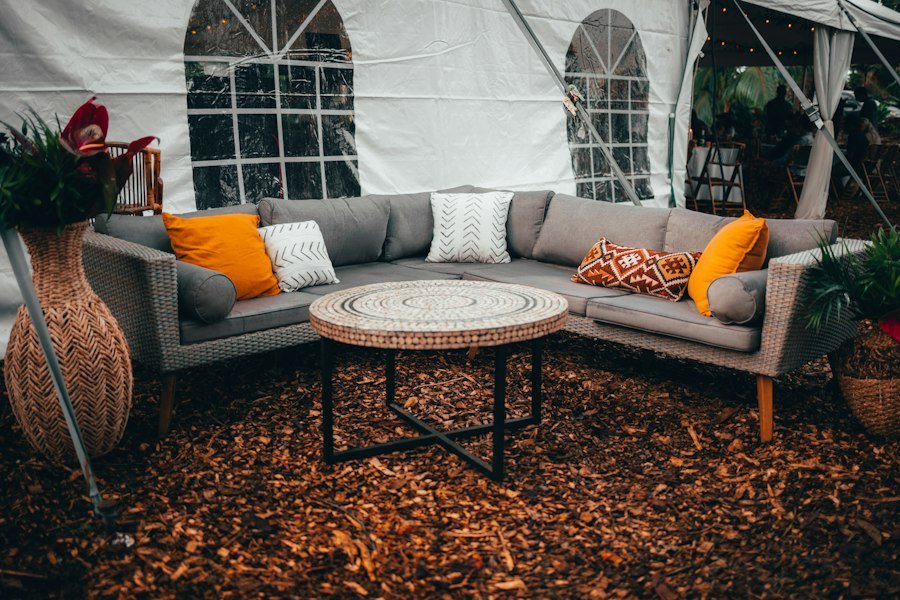
The material of your patio furniture dictates its durability, maintenance requirements, and overall aesthetic. Understanding the pros and cons of each will help you make an informed decision.
2.1. Aluminum
Aluminum is a popular choice for a reason. It’s lightweight, rust-resistant, and comes in various finishes.
- Pros: Extremely durable, won’t rust, easy to move, requires minimal maintenance, often powder-coated for added protection and color.
- Cons: Can be pricey, some cheaper aluminum can be flimsy, can get hot in direct sun if not properly coated.
- Maintenance: Wipe down with soap and water.
2.2. Wrought Iron
For a classic, robust look, wrought iron is a solid contender. It’s known for its ornate designs and heavy feel.
- Pros: Very sturdy and heavy (great for windy areas), incredibly durable, classic aesthetic, can last for decades with proper care.
- Cons: Prone to rust if not properly maintained or if the finish chips, very heavy to move, can get extremely hot in the sun, sometimes less comfortable without cushions.
- Maintenance: Requires regular cleaning, touch-up painting for chips to prevent rust, and occasional waxing.
2.3. Steel
Similar to wrought iron in strength, steel furniture is often more modern in design.
- Pros: Strong and durable, often more affordable than wrought iron, various design possibilities.
- Cons: Prone to rust if not treated or if coatings are damaged, can be heavy.
- Maintenance: Similar to wrought iron; keep an eye out for rust and treat promptly.
2.4. Teak and Other Hardwoods
Natural wood brings warmth and elegance to any outdoor space. Teak is the gold standard, but other hardwoods like eucalyptus and acacia are also available.
- Pros: Beautiful natural aesthetic, extremely durable and weather-resistant (especially teak due to its natural oils), comfortable, can last for many years.
- Cons: Can be expensive (especially teak), requires regular maintenance to maintain its original color (otherwise it will weather to a silvery-gray patina), can be heavy.
- Maintenance: Teak can be left to weather naturally or treated with teak oil to maintain its golden-brown color. Other hardwoods may require more frequent oiling or sealing. Clean with mild soap and water.
2.5. Synthetic Wicker (Resin Wicker/HDPE)
This isn’t your grandma’s brittle plastic wicker. Modern synthetic wicker is made from high-density polyethylene (HDPE) and is designed to mimic natural wicker while offering superior durability.
- Pros: Very durable, weather-resistant (UV, moisture, temperature changes), lightweight, easy to clean, wide range of styles and colors, comfortable.
- Cons: Can be more expensive than some other materials, quality varies (look for HDPE, not PVC), can sometimes look less natural than real wicker.
- Maintenance: Simple wipe-down with soap and water.
2.6. Plastic and Recycled Materials
From basic Adirondack chairs to modern molded pieces, plastic furniture has come a long way. Recycled plastics are also gaining popularity.
- Pros: Very affordable, lightweight, easy to clean, wide range of colors, often stackable, eco-friendly options available.
- Cons: Can look cheap if not well-designed, less durable than other materials (can crack or fade over time), can blow away in strong winds.
- Maintenance: Very low; soap and water.
2.7. Fabric and Cushions
Don’t forget the comfort factor! Outdoor fabrics have evolved significantly.
- Sunbrella and Olefin: These are leading brands for outdoor fabrics, known for their fade, stain, and mildew resistance. They are durable and come in countless colors and patterns.
- Foam: Look for quick-drying, open-cell foam for cushions to prevent mildew and allow water to drain.
- Maintenance: Spot clean with mild soap and water. Many cushion covers are removable and machine washable. Store cushions when not in use or during inclement weather to prolong their life.
3. Essential Types of Patio Furniture
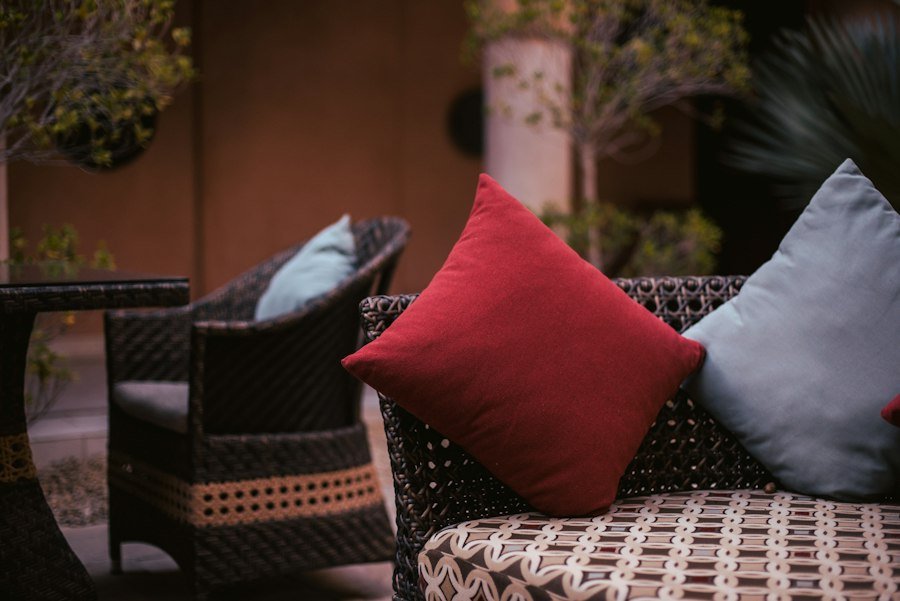
Now that you know the materials, let’s look at the common types of furniture you might want for your outdoor space.
3.1. Dining Sets
These are the heart of outdoor entertaining. They typically include a table and matching chairs.
- Considerations: Seating capacity, table shape (round, square, rectangular), material durability, and umbrella compatibility.
- Styles: From casual bistro sets for two to large extendable tables for big gatherings.
3.2. Seating Arrangements (Sofas, Sectionals, Chairs)
For lounging and conversation, comfortable seating is paramount.
- Sofas and Sectionals: Offer ample seating and a cozy, indoor-like feel. Modular sectionals are great for flexibility.
- Lounge Chairs: Individual chairs, often with deep seating and plush cushions, perfect for relaxing.
- Adirondack Chairs: Classic, comfortable, and often made from wood or recycled plastic, ideal for a relaxed, rustic vibe.
- Rocking Chairs/Gliders: Add a touch of charm and gentle motion for ultimate relaxation.
3.3. Loungers and Chaises
Perfect for sunbathing or an afternoon nap.
- Chaise Lounges: Long chairs designed for reclining, often with adjustable backs.
- Daybeds: Larger, often round or rectangular, offering a luxurious spot for multiple people to lounge.
3.4. Bistro Sets
Ideal for small spaces like balconies or compact patios. Typically includes a small table and two chairs.
- Benefits: Compact, stylish, perfect for intimate coffee or meal breaks.
3.5. Coffee and Side Tables
Crucial for holding drinks, snacks, books, and decor.
- Coffee Tables: Central to a seating arrangement.
- Side Tables/End Tables: Handy next to individual chairs or at the ends of sofas.
- Nesting Tables: Offer flexibility and can be tucked away when not needed.
3.6. Storage Solutions
Keep your outdoor space tidy and protect your cushions.
- Deck Boxes: Weatherproof storage for cushions, toys, and gardening tools.
- Storage Benches: Double as seating and storage.
3.7. Umbrellas and Shade Structures
Essential for comfort and sun protection.
- Market Umbrellas: Traditional center-pole umbrellas.
- Cantilever Umbrellas: Have an offset pole, allowing for more flexible placement over seating areas without an obstructing pole.
- Pergolas and Gazebos: More permanent structures offering significant shade and architectural interest.
Looking to enhance your garden space? Check out our selection of Outdoor Furniture for stylish and durable options. Transform your patio with our premium outdoor pieces today!
4. Maintenance and Care: Keeping Your Furniture Pristine
Even the most durable patio furniture benefits from a little care. Regular maintenance extends its lifespan and keeps it looking great.
4.1. Routine Cleaning
- General: For most materials, a simple wipe-down with mild soap (like dish soap) and water is sufficient. Use a soft cloth or sponge. Avoid harsh chemicals or abrasive scrubbers, which can damage finishes.
- Stubborn Stains: For tougher spots on fabrics, follow the manufacturer’s specific cleaning instructions. Many outdoor fabrics can be cleaned with a bleach solution diluted with water for mildew. Always test in an inconspicuous area first.
4.2. Protecting Against the Elements
- Covers: High-quality, breathable furniture covers are your best friend, especially during off-seasons or prolonged periods of non-use. They protect against UV rays, rain, dirt, and debris.
- Storage: If possible, store cushions indoors or in a deck box when not in use or during bad weather. If you have space, storing smaller pieces of furniture in a shed or garage during winter will significantly prolong their life.
- Winterizing: For furniture that stays outside year-round, ensure it’s clean and dry before covering it for winter. Elevate furniture slightly off the ground to prevent moisture buildup underneath.
4.3. Specific Material Care
- Wood (Teak, Eucalyptus, Acacia):
- Teak: If you prefer the golden-brown color, apply teak oil periodically (every 6-12 months). If you like the silvery-gray patina, no oiling is needed, just occasional cleaning.
- Other Hardwoods: May require more frequent oiling or sealing to prevent drying and cracking. Follow manufacturer guidelines.
- Wrought Iron/Steel: Inspect regularly for chips in the paint or finish. Touch up with rust-inhibiting paint as soon as you notice any damage to prevent rust from spreading.
- Aluminum: Generally very low maintenance. Avoid harsh abrasives.
- Synthetic Wicker: Easy to clean. Avoid harsh chemicals that could degrade the plastic.
If you’re looking to enhance your outdoor space, you might find inspiration in a related article that discusses innovative ways to elevate your outdoor experience. This piece offers insights into stylish and functional furniture options that can transform your patio into a cozy retreat. To explore these ideas further, check out the article on how to elevate your outdoors with BT Mart, which complements the information found in The Ultimate Guide to Patio Furniture.
5. Styling Your Outdoor Oasis
Beyond functionality, patio furniture is about creating an inviting and aesthetically pleasing space.
5.1. Defining Your Style
Just like indoors, consider your personal aesthetic for your outdoor area.
- Modern: Clean lines, minimalist designs, often features aluminum, steel, or sleek synthetic wicker. Neutral colors with pops of vibrant accents.
- Traditional/Classic: Ornate details, wrought iron, classic wood designs (Adirondack, slatted benches), often in darker tones or natural wood finishes.
- Bohemian/Eclectic: Mix and match textures, natural materials like rattan or macrame, colorful cushions, global-inspired patterns.
- Coastal/Nautical: Light colors (whites, blues), natural woods, rope accents, comfortable deep seating.
- Rustic/Farmhouse: Distressed wood, natural stone, durable fabrics, focus on comfort and simplicity.
5.2. Adding Accessories and Decor
Accessories are the finishing touches that bring your outdoor space to life.
- Outdoor Rugs: Define zones, add color and texture, and make the space feel more like an outdoor room. Ensure they are specifically designed for outdoor use to prevent mildew and fading.
- Pillows and Throws: Introduce color, pattern, and extra comfort. Choose outdoor-rated fabrics.
- Lighting: Essential for evening ambiance and safety. Consider string lights, solar-powered lanterns, LED candles, or floor lamps.
- Planters and Greenery: Incorporate plants of varying heights and textures to add life, color, and a natural feel. Consider herbs for a functional touch.
- Fire Pits/Tables: Provide warmth, a focal point, and an instant gathering spot.
- Outdoor Art: Weather-resistant sculptures or wall art can add personality.
5.3. Layout and Flow
Think about how people will move through your outdoor space.
- Walkways: Ensure clear paths around furniture.
- Conversation Areas: Arrange seating to encourage interaction.
- Zoning: Use rugs or furniture placement to define separate areas (e.g., dining zone, lounging zone).
- View: Position seating to take advantage of any pleasant views.
By considering these factors, you’re well on your way to selecting patio furniture that’s not just beautiful, but also perfectly suited to your needs, climate, and style, ensuring years of enjoyment in your outdoor sanctuary.
FAQs
What are the most common materials used for patio furniture?
The most common materials used for patio furniture include aluminum, wicker, wood, wrought iron, and steel. Each material has its own unique characteristics and benefits, so it’s important to choose one that suits your needs and preferences.
How should I care for and maintain my patio furniture?
To care for and maintain your patio furniture, regularly clean it with a mild soap and water solution, protect it from harsh weather conditions with covers or storage, and inspect it for any signs of damage or wear. Proper maintenance will help extend the lifespan of your patio furniture.
What factors should I consider when choosing patio furniture?
When choosing patio furniture, consider factors such as the size of your outdoor space, the climate in your area, your budget, and your personal style preferences. It’s also important to think about the level of maintenance required for different materials and designs.
What are the different types of patio furniture available?
There are various types of patio furniture available, including dining sets, lounge chairs, sofas, benches, hammocks, umbrellas, and more. Each type of furniture serves a different purpose and can help create a comfortable and inviting outdoor living space.
How can I create a cohesive look with my patio furniture?
To create a cohesive look with your patio furniture, consider choosing pieces that complement each other in terms of style, color, and material. You can also add decorative elements such as throw pillows, rugs, and plants to tie everything together and create a harmonious outdoor space.