
You’re looking to pick out an outdoor dining set, and it can feel like a bit of a maze with all the options out there. Don’t sweat it – the ‘right’ set is really about what fits your life, space, and style. We’ll walk through the practicalities so you can make a choice you’ll be happy with for years, not just a season.
1. What Are Your Outdoor Dining Needs?
Before you even start looking at materials or styles, it’s really helpful to think about how you actually plan to use this set. This isn’t just about throwing something on the patio; it’s about creating a functional outdoor space.
1.1 Who’s Coming to Dinner?
This is probably the biggest factor. Are you a solo diner who occasionally hosts a friend for coffee, or do you regularly throw big backyard BBQs?
- Intimate Settings (2-4 people): If it’s mostly you, a partner, or a small family, a bistro set or a small square/round table with two to four chairs might be perfect. These are great for smaller patios, balconies, or cozy corners.
- Family Meals (4-6 people): For everyday family dining, a medium-sized rectangular or oval table is a solid choice. It offers enough space for plates and elbows without feeling too sprawling.
- Entertaining Crowds (6+ people): If you often host larger gatherings, you’ll want a longer rectangular table, or even a set with an extendable table. Some sets come with benches alongside chairs, which can be a space-saver and allow more people to squeeze in. Don’t forget about chairs that stack or fold for easy storage when not in use.
1.2 How Much Space Do You Have?
Measure, measure, measure! It’s easy to fall in love with a huge, gorgeous dining set only to realize it swallows your entire patio.
- Footprint: Get out your tape measure and figure out the length and width of the area where you want the set to go.
- Walkways: Remember to leave enough room (at least 2-3 feet) around the table and chairs for people to comfortably pull out chairs, sit down, and walk around when the set is in use. There’s nothing worse than a cramped outdoor space.
- Layout: Consider any existing features like grills, planters, or pathways. You want the dining set to integrate smoothly, not block access to other parts of your yard.
1.3 What’s Your Local Climate Like?
Your climate plays a huge role in material durability and maintenance. Don’t underestimate this.
- Sun Exposure: If your area gets intense, prolonged sun, some materials will fade or degrade faster than others. Darker metals can get scorching hot.
- Rain and Humidity: Constant moisture can lead to rust in some metals, rot in untreated wood, and mildew on fabrics. Consider quick-drying materials or those that resist water absorption.
- Wind: In gusty areas, lighter furniture can get blown around. Look for heavier materials or designs that are less likely to tip over.
- Temperature Swings: Extreme hot and cold can cause some materials to expand, contract, or crack over time.
When selecting the perfect outdoor dining set, it’s essential to consider not only style and comfort but also durability and maintenance. For more insights on enhancing your outdoor space, you might find the article on “Creating the Perfect Outdoor Entertaining Area” particularly helpful. It offers tips on layout, decor, and accessories that complement your dining set. You can read it here: Creating the Perfect Outdoor Entertaining Area.
2. Choosing the Right Material for Your Lifestyle
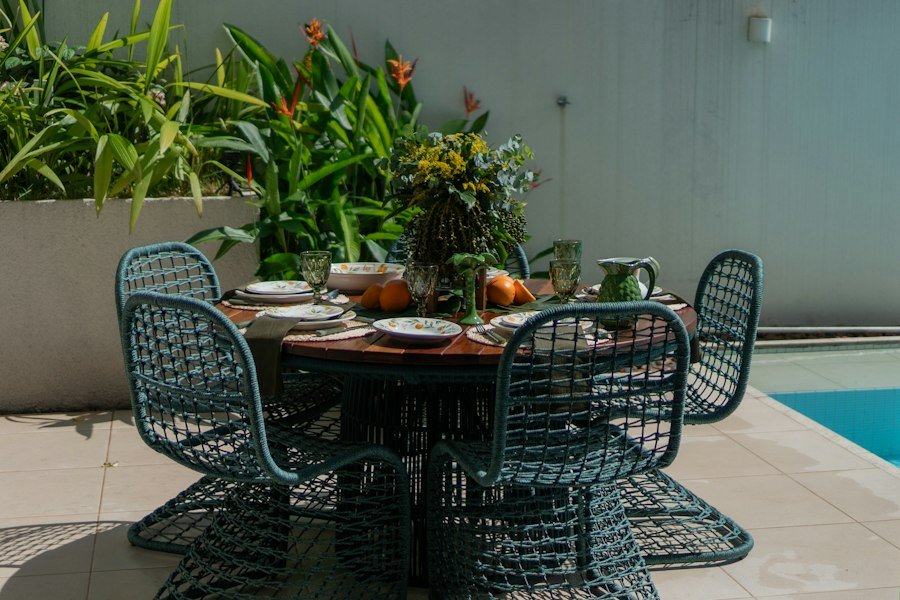
Now that you know your needs, let’s talk about the backbone of your dining set: the material. Each has its pros and cons in terms of look, durability, and upkeep.
2.1 Metal Options
Metals are popular for their strength and often sleek appearance.
- Aluminum:
- Pros: Lightweight (easy to move), rust-resistant, relatively low maintenance, often powder-coated for extra protection and color.
- Cons: Can be pricey, might blow around in strong winds if not heavy enough, some finishes can scratch.
- Best for: Most climates, especially coastal areas where rust is a concern. Good for those who like to rearrange or need to move furniture for storage.
- Wrought Iron:
- Pros: Very heavy and sturdy (won’t blow away), classic and ornate look, extremely durable.
- Cons: Heavy (hard to move), can rust if not properly maintained or if the finish chips, can get very hot in direct sun.
- Best for: Windy areas, those who want a traditional or formal look and don’t mind occasional maintenance (sanding/repainting rusty spots).
- Steel:
- Pros: Strong and durable, more affordable than aluminum or wrought iron.
- Cons: Prone to rust if not galvanized or powder-coated, can be quite heavy.
- Best for: Budget-conscious buyers in drier climates, or if you’re diligent about keeping it covered and protected from moisture.
2.2 Wood Options
Wood offers a natural, warm aesthetic, but requires varying levels of care.
- Teak:
- Pros: Highly durable, naturally resistant to rot, pests, and weathering due to its high oil content. Ages beautifully to a silvery-grey patina if left untreated.
- Cons: Expensive, requires occasional oiling to maintain its original warm brown color (otherwise it will silver).
- Best for: Humid climates, those who appreciate a classic look and are willing to invest in a long-lasting, low-maintenance piece (if you like the grey patina).
- Eucalyptus:
- Pros: More affordable than teak, sustainably harvested, decent weather resistance with proper care.
- Cons: Needs more regular oiling or sealing than teak to prevent cracking and fading.
- Best for: Budget-conscious buyers who like the look of wood and are prepared for more frequent maintenance.
- Acacia:
- Pros: Durable, attractive grain, similar to teak in appearance but often more affordable.
- Cons: Can crack or warp if not properly sealed and maintained, especially in very dry or very humid conditions.
- Best for: Similar to eucalyptus; a good mid-range wood option for those willing to do some upkeep.
2.3 Wicker/Rattan (Synthetic)
Most “wicker” outdoor furniture today is actually synthetic.
- Polyethylene (PE) Wicker/Resin Wicker:
- Pros: Extremely durable, weather-resistant (doesn’t rot, fade, or unravel easily), lightweight, easy to clean, often over an aluminum frame for extra durability.
- Cons: Can be more expensive than some other options, some lower-quality versions can become brittle in intense sun over many years.
- Best for: Almost any climate, especially those with high humidity or frequent rain. Excellent for a relaxed, resort-style look with minimal fuss. Avoid natural rattan or wicker for outdoor use; it will quickly degrade.
2.4 Plastic/Resin
Modern plastics aren’t always the flimsy patio chairs of yesteryear.
- High-Density Polyethylene (HDPE):
- Pros: Very durable, fade-resistant, low maintenance (just wash it), often made from recycled materials, comes in many colors.
- Cons: Can sometimes look less “high-end” than other materials, can be lighter and potentially blow around.
- Best for: Casual settings, families with kids, pool areas, or anyone looking for super low-maintenance and colorful options.
3. Style and Comfort Considerations
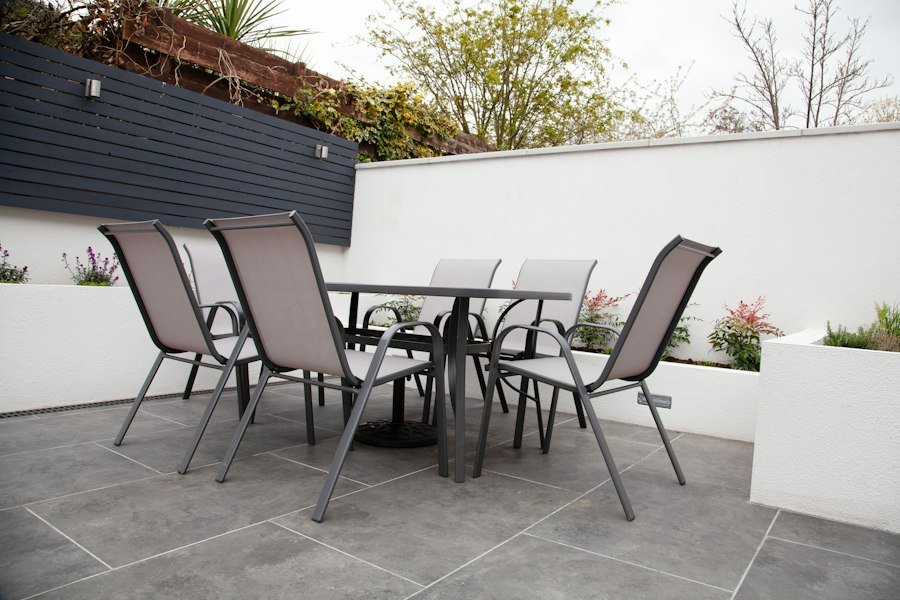
Once you’ve narrowed down materials, it’s time to think about how it will look and, more importantly, how it will feel.
3.1 Matching Your Home’s Aesthetic
Your outdoor dining set doesn’t have to be an exact match to your interior decor, but it should complement your home’s overall style.
- Modern/Contemporary: Look for clean lines, geometric shapes, and materials like powder-coated aluminum or sleek resin wicker. Glass table tops can also fit this look.
- Traditional/Classic: Wrought iron, darker woods like teak or acacia, and more ornate designs often suit a traditional home.
- Rustic/Farmhouse: Reclaimed wood, distressed finishes, or even some styles of metal with a more organic feel can work well here.
- Coastal/Bohemian: Lighter woods, natural-looking synthetic wickers, and softer, more relaxed chair designs are good fits.
3.2 Comfort is King (or Queen)
Let’s be honest, if it’s not comfortable, you won’t use it.
- Try Before You Buy: If possible, actually sit in the chairs. Are they deep enough? Is the back supportive? Is the table height comfortable for dining?
- Cushions: Most outdoor dining sets rely on cushions for comfort.
- Material: Look for outdoor-specific fabrics like Sunbrella, Olefin, or solution-dyed acrylics. These are designed to resist fading, mildew, and water.
- Fill: Quick-drying foam is ideal. Avoid regular indoor foam, as it will hold water and become a mildew magnet.
- Ties/Fasteners: Make sure cushions have ties or Velcro to keep them from sliding off or blowing away.
- Chair Design: Some chairs are simply more ergonomic than others. A well-designed metal or wood chair can be comfortable even without thick cushions.
3.3 Table Functionality
Beyond just being a surface, tables can offer extra features.
- Umbrella Hole: Crucial for sun protection. Make sure it’s wide enough for your umbrella pole and positioned correctly.
- Extendable Tables: Great for those who occasionally host larger groups but don’t need a huge table all the time. Check how easy the extension mechanism is to operate.
- Tabletop Material: Glass is easy to clean but can show smudges and get very hot in the sun. Slatted wood or metal tops allow rain to drain through. Solid surfaces offer stability but can pool water.
Looking to enhance your garden space? Check out our selection of Outdoor Furniture for stylish and durable options. Transform your patio with our premium Outdoor Furniture collection today!
4. Maintenance and Longevity
Nobody wants to spend their precious weekend scrubbing furniture. Think about how much effort you’re willing to put in.
4.1 Cleaning Routines
- Regular Wiping: A simple wipe-down with a damp cloth and mild soap can keep most materials looking good.
- Cushion Care: Most outdoor cushions have removable covers that can be machine washed or spot cleaned. Follow the manufacturer’s instructions.
- Special Treatments: Wood furniture often benefits from annual oiling or sealing to protect it from the elements and maintain its appearance. Wrought iron might need occasional touch-up paint to prevent rust.
4.2 Protection from the Elements
Even the most durable materials benefit from a little help.
- Covers: High-quality outdoor furniture covers are an excellent investment. They protect against sun, rain, dust, and pollen, significantly extending the life of your set. Look for breathable, waterproof covers with tie-downs.
- Shade: An umbrella or a covered patio will protect your set from harsh UV rays and heavy rain, which are major contributors to wear and tear.
- Winter Storage: If you live in an area with harsh winters, consider storing cushions indoors. If possible, storing the entire set in a shed or garage is ideal. If not, make sure it’s well-covered.
4.3 Warranty Information
Always check the warranty. A good warranty indicates the manufacturer stands behind their product. Pay attention to what it covers (e.g., rust, fading, structural integrity) and for how long. This is especially important for more expensive materials like teak or high-end aluminum.
When selecting the perfect outdoor dining set, it’s essential to consider factors such as size, material, and style to ensure it complements your outdoor space. For more insights on enhancing your outdoor living experience, you might find this related article on outdoor furniture options helpful. Check it out here to explore various styles and tips that can guide you in making the best choice for your patio or garden.
5. Budget and Value
Finally, let’s talk about money. Your budget will naturally guide your choices, but remember that “cheap” isn’t always “value.”
5.1 Setting a Realistic Budget
Outdoor furniture prices can vary wildly. Have a ballpark figure in mind before you start shopping to help narrow down your options.
- Entry-Level: Often plastic, basic steel, or lower-quality wood. These might last a few seasons with good care but aren’t typically long-term investments.
- Mid-Range: Includes good quality aluminum, synthetic wicker, and some better woods like acacia or eucalyptus. This is where you’ll find a good balance of durability and style for most people.
- High-End: Teak, marine-grade aluminum, high-performance synthetic wickers, and designer pieces fall into this category. These are built to last decades and often come with substantial warranties.
5.2 Understanding “Value” Beyond Price Tag
- Durability: A more expensive set made from high-quality materials that lasts 10-15 years often offers better long-term value than a cheap set you replace every 2-3 years.
- Maintenance: Consider the cost and time involved in maintenance. A low-maintenance material might save you money on oils, sealers, and your own labor over time.
- Comfort and Enjoyment: If a slightly more expensive set means you’ll actually use and enjoy your outdoor space more, that’s a value worth considering.
- Resale Value: While not a primary concern for most, higher-quality furniture tends to hold its value better if you ever decide to sell it.
5.3 Where to Buy
- Specialty Outdoor Furniture Stores: Often have knowledgeable staff, a wider selection of high-quality items, and professional delivery/assembly.
- Department Stores/Home Improvement Stores: Good for mid-range options, often have sales. Selection can be more limited.
- Online Retailers: Huge selection, often competitive pricing, but you can’t “try before you buy” and shipping for large items can be costly. Read reviews carefully.
By thinking through these points, you’ll be well-equipped to choose an outdoor dining set that doesn’t just look good, but truly serves your needs and stands up to the elements for many seasons of enjoyment. Happy dining!
FAQs
1. What factors should be considered when choosing an outdoor dining set?
When choosing an outdoor dining set, consider the size of your outdoor space, the material of the furniture, the style that complements your outdoor decor, the number of people you typically entertain, and the level of maintenance required for the set.
2. What are the common materials used for outdoor dining sets?
Common materials used for outdoor dining sets include aluminum, teak, wicker, steel, and wrought iron. Each material has its own advantages in terms of durability, maintenance, and style.
3. How important is the size of the outdoor dining set?
The size of the outdoor dining set is crucial as it should fit comfortably in your outdoor space without overcrowding it. Consider the dimensions of the table and chairs to ensure there is enough room for movement and for guests to sit comfortably.
4. Should I consider the climate in my area when choosing an outdoor dining set?
Yes, it is important to consider the climate in your area when choosing an outdoor dining set. For example, if you live in a rainy region, you may want to opt for materials that are weather-resistant such as teak or aluminum.
5. How can I ensure the outdoor dining set is easy to maintain?
To ensure easy maintenance of your outdoor dining set, choose materials that are known for their durability and resistance to outdoor elements. Additionally, consider investing in covers or storage solutions to protect the set during harsh weather conditions.