
So, you’re looking to pick out some outdoor chairs, but you’re a bit lost with all the options out there. The short answer? The “right” outdoor chair for you boils down to three main things: what you’ll use it for, where it’s going, and how much fuss you want with upkeep. Think about comfort, durability against the elements, and how it fits your budget and style. It’s not about finding the ‘best’ chair, but the best chair for you.
1. What’s the Chair’s Job? Defining Your Needs
Before you even start looking at materials or styles, think about what these chairs are actually going to do. Are they for long, lazy Sunday brunches, quick coffee breaks, or just for looks? Understanding their purpose will narrow down your choices considerably.
1.1 Dining Outdoors
If you’re planning on eating meals al fresco, comfort over extended periods is key. You’ll want chairs that are supportive and allow you to sit upright comfortably. Armrests can be a bonus, but make sure they fit under your table if space is tight.
- Consider: Chairs with good back support, potentially with cushions that can be easily cleaned or stored.
- Avoid: Deep-seated lounge chairs or super low-slung options that make it awkward to reach a table.
1.2 Lounging and Relaxing
For kicking back with a book or soaking up the sun, comfort takes center stage. These chairs are all about unwinding. Think about adjustability and whether you want to recline.
- Consider: Adirondack chairs, chaises lounges, or comfortable armchairs with plush cushions.
- Avoid: Stiff, upright dining chairs that aren’t designed for long-term relaxation.
1.3 Casual Seating and Conversation
If you need extra seating for guests or a spot to gather for a chat, flexibility and ease of movement might be important. These chairs can be a bit more versatile.
- Consider: Bistro chairs, stackable chairs, or smaller, more lightweight options that can be easily rearranged.
- Avoid: Overly heavy or bulky chairs that are difficult to move around as needed.
1.4 Accent or Decorative Seating
Sometimes a chair is more about completing a look or filling a small space than daily use. Here, aesthetics and how it complements your overall outdoor decor become more important.
- Consider: Chairs with unique designs, interesting materials, or vibrant colors that add a focal point.
- Avoid: Prioritizing extreme durability or all-weather performance if it’s mostly for show and occasional use.
When selecting the perfect outdoor chairs for your space, it’s essential to consider not only style and comfort but also durability and resilience against the elements. For insights on how innovative designs can enhance the longevity of your outdoor furniture, check out this related article on floodproof innovations: Floodproof Innovations: The Resilience of BT Mart’s Outdoor Furniture. This resource provides valuable information on materials and features that can help your outdoor seating withstand various weather conditions, ensuring you make a well-informed choice.
2. Battling the Elements: Material Matters
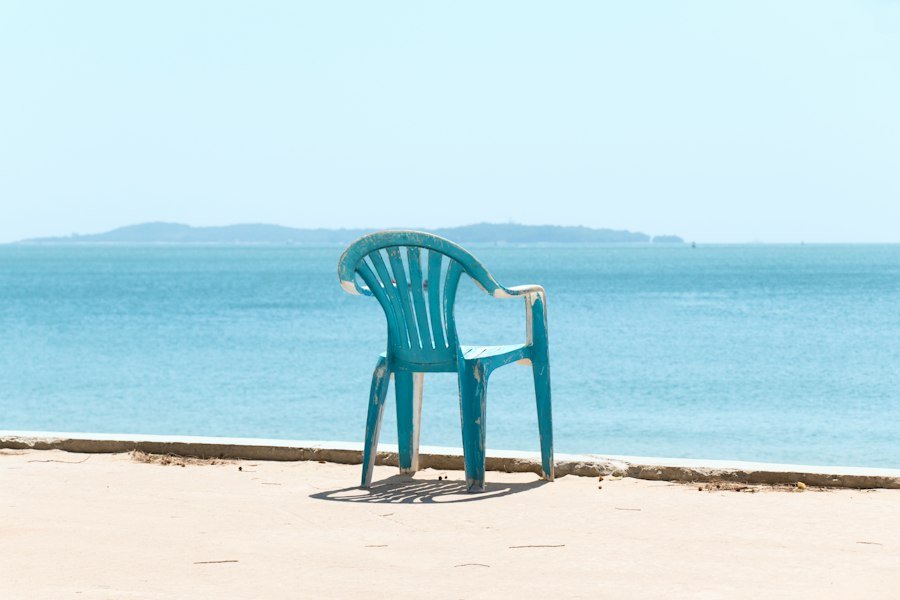
The material of your outdoor chairs is probably the single biggest factor in their longevity and how much maintenance they’ll demand. Your local climate plays a huge role here. Are you in a sunny, dry desert, a humid coastal area, or a place with harsh winters?
2.1 Wood: Classic Charm with a Catch
Wood offers a natural, warm aesthetic that many people love. However, not all woods are created equal when it comes to outdoor performance.
- Teak: The gold standard for outdoor wood furniture. It’s naturally rich in oils, making it highly resistant to rot, insects, and weathering. It can be left to weather to a silvery-gray patina or regularly oiled to maintain its warm brown color. It’s durable but comes with a higher price tag.
- Eucalyptus: A more budget-friendly alternative to teak. It’s also quite durable and naturally resistant to moisture and insects. Like teak, it will weather if not regularly maintained with oil.
- Acacia: Another hardwood often used for outdoor furniture. It’s dense and durable, with good resistance to moisture. It also requires oiling to maintain its color and prevent weathering.
- Cedar/Redwood: These softwoods are naturally resistant to rot and insects, but they are softer and can dent more easily than hardwoods. They weather nicely to a grayish tone.
- Pine/Fir (Treated): Often used for outdoor furniture, but usually requires pressure-treatment to withstand the elements. Without proper sealing and regular maintenance, it’s more prone to rot, warping, and insect damage.
2.2 Metals: Strong and Stylish
Metal chairs offer durability and a sleek, modern look, but they have their own set of considerations.
- Aluminum: Lightweight, rust-proof, and relatively low-maintenance. It’s an excellent choice for coastal areas where salt spray is an issue. Often powder-coated for extra protection and color. It can sometimes feel a bit flimsy if not well-constructed, and gets hot in direct sun.
- Wrought Iron: Heavy, sturdy, and very durable. It has a classic, ornate look. However, it’s prone to rust if its protective coating is chipped or scratched, and it’s very heavy to move. Requires occasional repainting to prevent corrosion.
- Steel (Stainless or Powder-Coated): Stainless steel is highly resistant to rust and very durable, but also expensive. Regular steel must be powder-coated to prevent rust. If the coating is compromised, rust can set in. Like aluminum, it can get hot in direct sunlight.
2.3 Wicker/Rattan: Natural or Synthetic?
Wicker refers to the weaving style, not the material itself. Rattan is a natural material often woven into wicker furniture.
- Natural Rattan: Beautiful and traditional, but generally not suitable for direct outdoor exposure. It will degrade quickly with rain and sun. Best for covered porches or sunrooms.
- Synthetic Wicker (Resin Wicker/All-Weather Wicker): Made from polyethylene (HDPE) or PVC, this is designed for outdoor use. It’s weather-resistant, UV-resistant (though quality varies), and easy to clean. It often mimics the look of natural wicker. HDPE is generally considered superior to PVC for outdoor use due to better UV resistance and flexibility.
2.4 Plastics and Composites: Practical and Affordable
These materials are often the most budget-friendly and require minimal maintenance.
- High-Density Polyethylene (HDPE): The same material used for synthetic wicker, but also for solid plastic chairs (think “Adirondack chairs”). It’s extremely durable, UV-resistant, colorfast, and never needs painting or sealing. It’s also often made from recycled materials. Can be heavy.
- Polypropylene: A common, lightweight, and inexpensive plastic. It’s water-resistant and easy to clean, but can become brittle over time with prolonged UV exposure, leading to cracking or fading.
- Recycled Plastic Lumber: Made from recycled milk jugs and other plastics. It’s exceptionally durable, maintenance-free, and resistant to rot, insects, and weathering. It has a heavy, solid feel.
2.5 Fabrics and Cushions
If your chairs include cushions or fabric slings, pay attention to the material.
- Sunbrella/Olefin: These are top-tier outdoor fabrics. They are highly resistant to fading, mildew, and water. Easy to clean.
- Polyester/Acrylic: More affordable, but may fade or degrade faster than performance fabrics if exposed to intense sun.
- Foam Fill: Look for quick-drying foam or Dacron-wrapped foam to prevent mildew.
3. Size, Space, and Style: Fitting In

Once you know what the chairs will be used for and what materials make sense for your climate, it’s time to think about how they’ll actually look and fit in your space.
3.1 Measuring Your Space
This might seem obvious, but it’s often overlooked. Grab a tape measure!
- Footprint: Measure the area where the chairs will go. Account for pulling chairs out from a table, walking paths, and general flow.
- Traffic Flow: Ensure there’s enough room for people to move comfortably around the chairs, even when occupied. You don’t want your beautiful new chairs to create a bottleneck.
- Storage: If you plan to store chairs during off-seasons, consider stackable options or chairs that fold easily. Measure your storage area.
- Doorways: If you need to bring chairs inside or through gates, measure those openings too.
3.2 Scale and Proportion
A tiny bistro set can look lost on a sprawling patio, while a massive lounge set can overwhelm a small balcony.
- Large Spaces: Can handle larger, more substantial pieces, including deep-seated sofas, multiple lounge chairs, and larger dining sets.
- Small Spaces (Balconies, Small Patios): Opt for more compact designs like bistro sets, folding chairs, or chairs with a smaller footprint. Multi-functional pieces (like ottomans that double as extra seating) can be very helpful.
3.3 Complementing Your Aesthetic
Your outdoor space is an extension of your home. The chairs should ideally harmonize with your existing decor and the overall vibe you’re going for.
- Modern/Minimalist: Look for clean lines, geometric shapes, and materials like powder-coated aluminum, stainless steel, or HDPE in neutral colors.
- Rustic/Farmhouse: Wood, especially weathered or reclaimed wood, wrought iron, or chunky Adirondack-style chairs work well.
- Coastal/Beach House: White or light-colored synthetic wicker, aluminum, or light-toned wood with breezy, perhaps striped, cushions.
- Traditional/Classic: Ornate wrought iron, dark woods, or classic-style synthetic wicker with detailed weaving.
- Bohemian/Eclectic: Mix and match styles and materials, incorporate bright colors, or natural rattan (for covered areas).
Discover a wide range of Outdoor Furniture that suits your style and needs. Transform your garden into a relaxing oasis with our premium Outdoor Furniture collection. Our Outdoor Furniture is designed to withstand the elements while providing comfort and style.
4. Comfort and Ergonomics: Sit Down and Stay Awhile
A beautiful chair that’s uncomfortable will rarely get used. Comfort is subjective, but there are some general guidelines.
4.1 Seat Height and Depth
- Dining Chairs: Typically have a seat height around 17-19 inches to work with standard dining table heights (28-30 inches). The depth should allow your feet to rest flat on the ground with your back against the support.
- Lounge Chairs: Will have lower seat heights and deeper seats for a more relaxed posture.
- Armrests: Consider if they’re at a comfortable height for resting your arms, and if they clear your dining table if applicable.
4.2 Back Support
A good backrest should provide adequate support, especially for dining or working. For lounge chairs, a reclined or angled back is usually preferred.
- Angle: Too upright can feel stiff; too reclined can be hard to get out of or eat from.
- Material: Slings, wicker, or cushioned backs offer more give than solid wood or metal.
4.3 Cushions: To Cushion or Not to Cushion?
Cushions significantly impact comfort, but they also introduce maintenance.
- Removable Cushions: These are ideal as you can bring them inside during bad weather or for cleaning. Look for covers that are easy to remove and machine washable.
- Integrated Cushions: Less maintenance in terms of taking them in and out, but harder to clean or replace if damaged.
- No Cushions: Some chairs, like well-designed Adirondacks or sling chairs, are comfortable enough without additional cushions, which reduces maintenance.
When selecting outdoor chairs, it’s essential to consider not only the style and comfort but also how they complement your overall outdoor aesthetic. For those looking to enhance their outdoor spaces further, you might find inspiration in a related article that discusses innovative ways to elevate your outdoor experience. Check out this insightful piece on how to elevate your outdoors with stylish furniture options that can transform your patio or garden into a cozy retreat.
5. Budget, Maintenance, and Logistics: The Practicalities
Finally, let’s talk about the less glamorous but equally important aspects: cost, upkeep, and getting them home.
5.1 Setting Your Budget
Outdoor furniture can range from very inexpensive to surprisingly costly. Have a realistic budget in mind before you start shopping.
- Entry-Level: Often plastic or basic powder-coated steel. May not last as long or offer the same comfort.
- Mid-Range: Good quality aluminum, synthetic wicker (HDPE), eucalyptus, or treated pine. Offers a good balance of durability and style.
- High-End: Teak, stainless steel, high-quality HDPE lumber, or designer pieces. Excellent longevity and craftsmanship, but a significant investment.
Remember to factor in the cost of cushions (if not included) and any protective covers you might need.
5.2 Maintenance Level
Be honest with yourself about how much effort you’re willing to put into upkeep.
- Low Maintenance: HDPE plastic, powder-coated aluminum, synthetic wicker. Generally only require occasional cleaning with soap and water.
- Medium Maintenance: Oiled wood (eucalyptus, acacia) requires regular oiling to maintain color. Wrought iron needs rust checks and occasional repainting.
- High Maintenance: Teak can be left to weather or require annual oiling. Natural rattan needs to be kept out of the elements. Fabrics/cushions need regular cleaning and potentially storage.
5.3 Durability and Longevity
The upfront cost often correlates with how long the chairs will last.
- Investment Pieces: High-quality materials like teak, marine-grade stainless steel, or solid HDPE lumber might cost more initially, but can last decades with proper care.
- Temporary Solutions: Cheaper plastic chairs might be fine for a season or two, but expect to replace them more frequently.
Consider the warranty offered. A longer warranty often signals a manufacturer’s confidence in their product’s durability.
5.4 Delivery and Assembly
- Delivery: Can you transport the chairs yourself, or will you need delivery? Factor in delivery costs if ordering online or from a store that doesn’t offer free delivery.
- Assembly: Some chairs come fully assembled, while others require varying degrees of DIY assembly. If you’re not handy, look for pre-assembled options or factor in the cost of assembly services.
By systematically working through these points – purpose, material, fit, comfort, and practicalities – you’ll be much better equipped to find the outdoor chairs that not only look good but genuinely enhance your outdoor living experience for years to come. Happy hunting!
FAQs
What are the different types of outdoor chairs available?
There are various types of outdoor chairs to choose from, including Adirondack chairs, lounge chairs, dining chairs, rocking chairs, and folding chairs. Each type offers different features and benefits, so it’s essential to consider your specific needs and preferences when selecting outdoor chairs for your space.
How do I choose outdoor chairs that are durable and weather-resistant?
When selecting outdoor chairs, look for materials such as teak, aluminum, or resin wicker that are known for their durability and weather resistance. Additionally, consider investing in chairs with UV-resistant finishes and cushions made from outdoor-grade fabrics to ensure they can withstand the elements.
What factors should I consider when choosing outdoor chairs for a small space?
For small outdoor spaces, opt for chairs that are lightweight, foldable, or stackable to maximize space when not in use. Consider the dimensions of the chairs to ensure they fit comfortably within the limited space without overcrowding the area.
How can I ensure that the outdoor chairs I choose are comfortable?
To ensure comfort, look for outdoor chairs with ergonomic designs, ample seating space, and supportive backrests. Consider chairs with cushions or padding for added comfort, and test out different styles to find the one that best suits your body and seating preferences.
What are some design tips for choosing outdoor chairs that complement my outdoor space?
When selecting outdoor chairs, consider the overall aesthetic of your outdoor space and choose chairs that complement the existing decor and style. Opt for chairs in colors and materials that coordinate with your outdoor furniture and surroundings, creating a cohesive and inviting outdoor environment.