
When you’re looking to spruce up your outdoor space, whether it’s a sprawling garden, a cozy patio, or a compact balcony, choosing the right table can make a world of difference. It’s not just about having a place to put your coffee; it’s about defining the space, making it functional, and really extending your living area outdoors. We’ve dug into what makes an outdoor table great, looking at materials, sizes, and practical considerations to help you pick the perfect one for your needs.
1. Understanding Your Outdoor Space: Patio, Garden, or Balcony?
Before you even start looking at tables, take a good, honest look at your outdoor area. This isn’t just about how big it is, but also how it’s used and what kind of environment it faces.
Your Patio: The Outdoor Extension of Your Home
Patios often act as a direct extension of your indoor living space. They can be quite versatile, accommodating anything from a full dining set to a casual lounge area. You typically have more room to play with here, allowing for larger tables, possibly with seating for multiple people. Consider how much sun your patio gets, if it’s covered, and how much traffic it sees. If it’s a high-traffic area, durability is key.
Your Garden: Blending with Nature
In a garden, your table might be tucked away in a quiet corner for contemplation, or it could be the focal point for al fresco dining. Here, the aesthetic appeal of the table can be just as important as its functionality. You might want something that blends seamlessly with the natural surroundings, perhaps made of wood or a natural-looking material. Weather resistance is paramount, as garden tables are often exposed to the elements without much cover. Think about how often you’ll move it – lighter materials might be a good idea if you like to reconfigure your space.
Your Balcony: Making the Most of Small Spaces
Balconies present their own unique challenges, primarily space constraints. Every inch counts. The goal here is to maximize utility without overcrowding. Look for compact designs, foldable options, or even tables that can attach to railings. These spaces also tend to be more exposed to wind and rain, so stability and material durability are non-negotiable. Don’t forget to consider weight capacity if you’re thinking about a heavier table on an older balcony.
If you’re looking to enhance your outdoor space with stylish and functional furniture, you might also be interested in exploring our article on the best outdoor tables for patios, gardens, and balconies. This resource provides insights into various designs and materials that can elevate your outdoor experience. For more information, check out this related article on outdoor furniture collections at BT Marts Collection of Outdoor Furniture.
2. Key Considerations for Choosing an Outdoor Table
Once you’ve got a handle on your space, it’s time to think about the practicalities. These factors will guide you toward tables that not only look good but also stand the test of time and fit your lifestyle.
Material Matters: Durability and Maintenance
The material of your outdoor table is crucial. It dictates how long the table will last, how much upkeep it needs, and how it will fare against various weather conditions.
- Teak Wood: A classic for a reason. Teak is incredibly durable, naturally resistant to rot, pests, and weathering due to its high oil content. It starts with a warm, golden-brown color and, if left untreated, will gradually weather to a soft, silvery-gray patina. It requires minimal maintenance – an occasional cleaning is usually enough. However, it’s one of the more expensive options.
- Eucalyptus Wood: A more budget-friendly alternative to teak, eucalyptus shares some of teak’s natural resistance to rot and insects. It’s also quite dense and durable. Like teak, it will weather to a silvery-gray over time. It benefits from occasional oiling to maintain its color and extend its lifespan, though it’s less maintenance-intensive than some other woods.
- Acacia Wood: Another hardwood option that’s often more affordable than teak. Acacia is known for its strength and resistance to moisture. It typically has a rich, varied grain. To keep it looking its best and prevent cracking, it often requires regular oiling, perhaps a few times a year, especially in dry climates.
- Aluminum: Lightweight, rust-proof, and relatively low maintenance. Aluminum tables are easy to move around and clean. They’re often powder-coated for added protection and come in a wide range of colors and styles. The main downside is that lighter aluminum tables can be susceptible to strong winds if not anchored or weighted.
- Steel (Wrought Iron/Stainless Steel): Steel offers significant strength and stability. Wrought iron is heavy and incredibly durable, often chosen for its traditional aesthetic. However, it needs proper finishing and regular re-coating to prevent rust. Stainless steel is more resistant to rust but can be pricier and sometimes shows fingerprints or water spots more readily.
- Resin/Plastic: The most budget-friendly and lightest option. Modern plastics and resins have come a long way, offering decent durability and UV resistance. They are typically very easy to clean and completely weather-resistant. The trade-off is often in aesthetic appeal and perceived quality compared to wood or metal.
- High-Density Polyethylene (HDPE): Often made from recycled plastics, HDPE furniture is extremely durable, weather-resistant, and requires virtually no maintenance. It won’t splinter, crack, chip, or peel. It’s heavy enough to resist wind and comes in various colors. It’s a great option for those seeking a sustainable and long-lasting choice, though it can be a bit more expensive than basic resin.
- Glass Tops: Often paired with metal frames (aluminum or steel). Tempered glass is strong and easy to clean, offering a sleek, modern look. The main concern is breakage, though tempered glass is designed to shatter into small, blunt pieces for safety. It can also get very hot in direct sun and shows fingerprints easily.
- Stone (e.g., Granite, Concrete, Tile): These materials are heavy, extremely durable, and provide a high-end look. They are very stable in wind. Concrete and natural stone can be quite expensive and require specific care – concrete might need sealing, and natural stone can stain. Tile tops offer design versatility but grout lines can be tricky to keep clean.
Size and Shape: Fitting Your Lifestyle
The right size and shape depend entirely on how you plan to use the table and the space available.
- Dining Tables: If you’re planning to eat meals outdoors, consider how many people you typically host. A small bistro table might fit two comfortably, while a larger rectangular or oval table can seat six or more. Make sure there’s enough room around the table for chairs to be pulled out without hitting a wall or obstacle.
- Coffee Tables: For a lounge area, a lower coffee table is ideal. These are perfect for drinks, snacks, and books while relaxing.
- Side Tables/Accent Tables: Crucial for smaller spaces or to complement larger seating arrangements. They provide a convenient spot for a drink, a book, or a small plant.
- Adjustable/Expandable Tables: A fantastic option for versatility. Some tables can expand to accommodate more guests, while others have adjustable heights, transforming from a coffee table to a dining table.
- Foldable Tables: A lifesaver for small balconies or if you need to store the table away during the off-season. They offer functionality when needed and disappear when not.
Stability and Weight: Staying Put
No one wants a table that wobbles or blows away in a gust of wind.
- Weight: Heavier materials like wrought iron, concrete, or solid wood will inherently be more stable. If you live in a windy area, prioritize heavier options or those with broad, stable bases.
- Base Design: Look at the table’s legs and base. A pedestal base can offer more legroom but might be less stable than a four-legged design, especially on uneven surfaces. Cross-leg designs or wider bases generally offer good stability.
- Adjustable Feet: Some tables come with adjustable glides on the feet, which can help level the table on uneven patio stones or decking.
Aesthetic Appeal: Matching Your Vibe
Your outdoor table should complement your existing decor and the overall feel you want to create.
- Modern: Clean lines, minimalist designs, often in aluminum, glass, or HDPE.
- Rustic/Farmhouse: Natural wood, often with a slightly distressed finish, wrought iron.
- Coastal/Beach House: Lighter woods, wicker, or white-painted finishes.
- Traditional: Ornate wrought iron, classic wood designs.
- Industrial: Metal frames, perhaps with concrete or wood tops.
3. Top Picks for Different Outdoor Settings
Let’s break down some specific recommendations based on where you’ll be placing your table.
For the Spacious Patio: Dining and Entertaining
- Rectangular Teak Dining Table: If you have the space and budget, a solid teak dining table is a fantastic investment. It’s beautiful, incredibly durable, and ages gracefully. Look for designs that can comfortably seat 6-8 people, perhaps with a slatted top for drainage.
- Why it’s great: Longevity, natural resistance to elements, classic aesthetic.
- Consideration: Higher price point, initial weathering period.
- Aluminum and Tempered Glass Dining Set: A popular choice for a more contemporary look. The aluminum frame is rust-proof and lightweight, while the tempered glass top is easy to clean. Many come with an umbrella hole, perfect for sunny patios.
- Why it’s great: Modern, low maintenance, relatively affordable.
- Consideration: Glass can show smudges, potentially get hot in direct sun.
- Expandable Eucalyptus Dining Table: For those who entertain occasionally but don’t need a massive table all the time, an expandable eucalyptus table is a clever solution. It offers the warmth of wood with the flexibility to grow when guests arrive.
- Why it’s great: Versatility, natural wood look, good value.
- Consideration: Requires occasional oiling to maintain color.
- Woven Resin Wicker Coffee Table with Storage: If your patio is more about lounging, a large, low coffee table made from all-weather resin wicker can be a stylish and practical choice. Many models include internal storage, perfect for stashing cushions or throws.
- Why it’s great: Aesthetic, storage, weather-resistant.
- Consideration: Can be bulky, may collect debris in the weave.
For the Serene Garden: Blending In and Relaxing
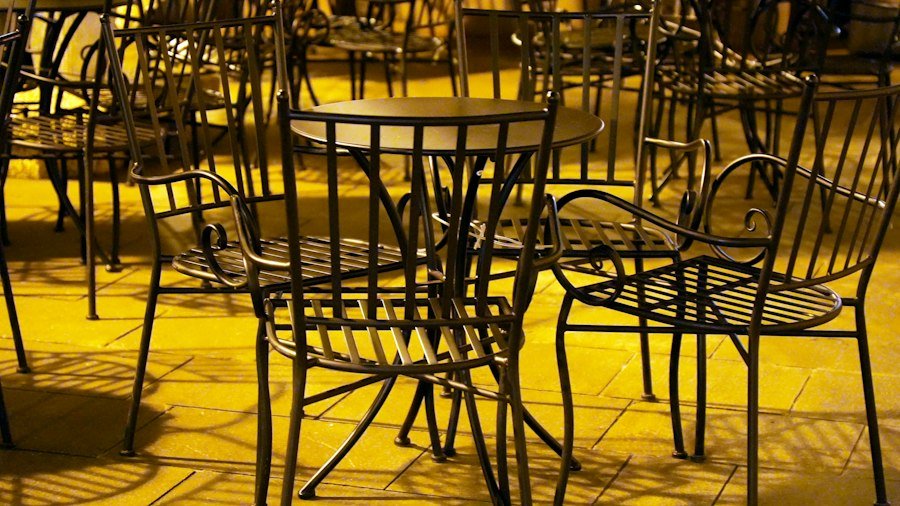
- Cast Aluminum Bistro Set: Perfect for a quiet corner in the garden. Cast aluminum offers a more ornate, traditional look than extruded aluminum, is heavy enough to resist wind, and is rust-proof. A small round table with two chairs creates an inviting spot for morning coffee or an afternoon read.
- Why it’s great: Durable, decorative, compact.
- Consideration: Can be heavier to move, design might feel too traditional for some.
- Acacia Wood Potting Bench/Table: While not a traditional dining table, a sturdy acacia potting bench with a table-like surface can double as a functional workspace and a charming garden accent for drinks or snacks. Its rustic appeal fits right into a garden setting.
- Why it’s great: Multi-functional, natural look, adds character.
- Consideration: Might not be ideal for formal dining, requires regular oiling.
- Stone or Concrete Accent Table: For a very natural and grounding feel, a small concrete or natural stone side table can be placed next to a bench or a garden chair. These are extremely durable and blend beautifully with foliage.
- Why it’s great: Extremely durable, unique aesthetic, blends with nature.
- Consideration: Very heavy, can be expensive, specific care for concrete/stone.
- Folding Metal Garden Table: If you like to reconfigure your garden space or only bring out furniture when needed, a simple, sturdy folding metal table is invaluable. Look for powder-coated steel for rust resistance.
- Why it’s great: Portable, easy storage, practical.
- Consideration: Can feel less substantial than other options, might need protective pads for the feet.
For the Compact Balcony: Maximizing Every Inch
- Half-Round Balcony Table: These ingenious tables are designed with a flat side to sit flush against a wall or railing, saving valuable space. They typically fit two chairs and are great for small meals or drinks. Look for aluminum or powder-coated steel versions.
- Why it’s great: Space-saving, functional for two, stable.
- Consideration: Limited seating, only works against a flat surface.
- Rail-Mounted Table: The ultimate space-saver for very narrow balconies. These tables hook directly onto your balcony railing, often folding down when not in use. They provide just enough surface for a drink and a book, or a very small meal.
- Why it’s great: Maximizes floor space, highly functional for small items.
- Consideration: Small surface area, might not be universally compatible with all railings.
- Folding Bistro Table (Aluminum or HDPE): A classic for small spaces. An aluminum or HDPE folding bistro table can be set up when needed and easily stored away in a corner or closet. These are generally lightweight and easy to manage.
- Why it’s great: Portable, easy storage, budget-friendly options.
- Consideration: Can feel less sturdy than permanent options, basic aesthetic.
- Compact Square Dining Table (Weather-Resistant Resin): If your balcony allows for a bit more room, a small square table (around 24-30 inches) made of high-quality resin or HDPE can comfortably seat two and provides a more substantial feel than a folding table.
- Why it’s great: Durable, low maintenance, stable for its size.
- Consideration: Still limited to 2-3 people, can feel blocky if space is extremely tight.
If you’re looking to enhance your garden space, consider investing in Outdoor Furniture. The right Outdoor Furniture can transform your patio into a cozy retreat. Discover a wide range of styles and materials for Outdoor Furniture that suits your taste.
4. Maintenance and Longevity Tips
Getting a great outdoor table is only half the battle. Keeping it in good shape ensures it lasts for years, rather than just a season or two.
Regular Cleaning is Key
- General Rule: Wipe down your table regularly with a mild soap and water solution, especially after spills or dusty periods. Avoid harsh chemicals or abrasive cleaners that can damage finishes.
- Wood Tables: For teak, eucalyptus, or acacia, occasional scrubbing with a soft brush can help remove dirt. If you want to maintain the original wood color, you’ll need to apply appropriate sealers or oils every 6-12 months, depending on the product and exposure. If you prefer the weathered gray patina, minimal intervention is needed.
- Metal Tables: Rust-proof metals like aluminum and stainless steel generally just need soap and water. For wrought iron or steel, inspect annually for chips in the paint or finish, and touch them up to prevent rust.
- Glass Tops: A glass cleaner or a vinegar-water solution works well for streaks. Be mindful of direct sunlight, as residue can bake onto the glass.
- Resin/HDPE Tables: These are the easiest. A quick hose-down and a scrub with soapy water is usually all it takes.
Protection from the Elements
- Covers: Investing in good quality, breathable outdoor furniture covers is one of the best ways to protect your table from harsh sun, rain, and snow, especially during the off-season. Make sure they fit well and allow for some airflow to prevent mildew.
- Storage: If possible, store lighter or more delicate tables indoors or in a covered shed during extreme weather conditions (heavy snow, strong winds, intense heat). Folding tables are excellent for this.
- Sun Exposure: Prolonged direct sun can fade colors, especially on painted metals and some plastics. If your table is always in direct sun, consider materials like teak or HDPE that are highly UV resistant, or use an umbrella.
- Moisture Management: Ensure tables can drain properly. Slatted tops are good for this. Avoid letting water pool on surfaces, as this can lead to staining or damage over time.
Addressing Specific Issues
- Rust: For steel or wrought iron, if rust appears, sand it down to bare metal, apply a rust-inhibiting primer, and then repaint with exterior-grade paint.
- Fading: For wooden tables, applying a UV-protective oil can help slow fading. For colored plastics, while many are UV-stabilized, fading can still occur over many years. Covers are the best defense.
- Wobbling: Check bolts and screws periodically and tighten them as needed. Many tables have adjustable feet or glides that can help level them on uneven surfaces.
If you’re looking to enhance your outdoor space, you might find inspiration in a related article that discusses the best outdoor tables for patios, gardens, and balconies. This guide not only highlights various styles and materials but also offers tips on how to choose the perfect table for your needs. For more information, check out this insightful piece on outdoor furniture that can transform your living area into a cozy retreat.
5. Where to Buy and What to Look For
You’ve done your research, you know what you want, now where do you find it? And what should you keep in mind when you’re actually shopping?
Reputable Retailers and Brands
- Specialty Outdoor Furniture Stores: These stores often have the widest selection, knowledgeable staff, and higher-quality pieces. You’ll likely find more durable and unique options here, but often at a higher price point.
- Home Improvement Stores (e.g., Lowe’s, Home Depot): Good for a broad range of options, especially during peak outdoor living season. You can find everything from budget-friendly resin to mid-range wood and metal sets. Quality can vary, so read reviews.
- Department Stores (e.g., Macy’s, Nordstrom, smaller local stores): Often carry stylish and moderately priced options, sometimes with design-forward pieces. Look for seasonal sales.
- Online Retailers (e.g., Amazon, Wayfair, Overstock, Article, Crate & Barrel, West Elm): Offer an enormous selection, often with competitive pricing and customer reviews. Be sure to check return policies, shipping costs, and assembly requirements. Look for “weather-resistant” or “outdoor-grade” labels specifically.
- Big Box Stores (e.g., Walmart, Target): Best for budget-friendly options, particularly for basic resin or smaller metal tables. Good for starting out or if you need something temporary.
What to Pay Attention to While Shopping
- Read Reviews: This is probably the most important tip for online shopping. Look for consistent feedback on durability, assembly, and how the table holds up over time.
- Check Dimensions: Don’t just eyeball it. Measure your space and compare it to the table’s dimensions, including height and footprint. Remember to account for chair pull-out space.
- Assembly Requirements: Some tables come fully assembled, while others require significant effort. Check if assembly tools are included or if you’ll need to provide your own.
- Weight Capacity: Especially important for larger dining tables or if you anticipate heavy use.
- Warranty: A good warranty indicates the manufacturer stands behind their product. Look for warranties that cover structural defects, rust, or material degradation.
- Return Policy: Outdoor furniture can be a big purchase. Understand the return policy in case the table doesn’t fit your space or isn’t what you expected.
- Feel the Quality: If buying in person, don’t be afraid to touch the materials. Is the wood smooth? Is the metal sturdy? Does it feel well-constructed? Try to gently wiggle it to test for stability.
- Umbrella Hole: If you’re looking for shade, ensure the table has an umbrella hole if that’s a feature you need. Also, check the diameter to ensure it fits standard umbrellas.
Choosing the right outdoor table isn’t just about finding something that looks nice; it’s about investing in a piece that will enhance your outdoor living experience for years to come. By considering your space, materials, practical needs, and a bit of thoughtful shopping, you’ll be well on your way to enjoying countless outdoor moments.
FAQs
1. What materials are commonly used for outdoor tables?
Common materials used for outdoor tables include wood, metal, wicker, and plastic. Each material has its own advantages in terms of durability, maintenance, and style.
2. How do I choose the right size outdoor table for my space?
When choosing the right size outdoor table, consider the dimensions of your patio, garden, or balcony. Make sure there is enough space for people to move around comfortably and that the table fits well with the rest of your outdoor furniture.
3. Are there outdoor tables that are weather-resistant?
Yes, there are outdoor tables that are specifically designed to be weather-resistant. Look for tables made from materials such as teak, aluminum, or polyethylene that can withstand exposure to the elements without deteriorating.
4. What are some popular styles of outdoor tables?
Popular styles of outdoor tables include dining tables, coffee tables, bistro tables, and side tables. Each style serves a different purpose and can enhance the functionality and aesthetics of your outdoor space.
5. How can I maintain and care for my outdoor table?
To maintain and care for your outdoor table, regularly clean it with a mild soap and water solution. Cover it when not in use to protect it from the elements, and consider applying a protective sealant or coating to prolong its lifespan.