
Deciding on the best way to stash your garden gear can be a bit of a head-scratcher. The short answer? There’s no one-size-fits-all solution. Your ideal garden storage depends entirely on what you need to store, how much space you have, your budget, and what kind of look you’re going for. We’ll break down sheds, cabinets, and boxes to help you figure out what makes the most sense for your yard.
When you need serious space, a shed is usually the first thing that comes to mind. Think of it as a mini-house for your tools, equipment, and anything else you don’t want cluttering up your garage or home.
Why You Might Need a Shed
Sheds are fantastic for larger items that just won’t fit anywhere else. This includes lawnmowers, tillers, wheelbarrows, garden furniture cushions, and even bikes. They offer excellent protection from the elements, keeping your valuable equipment safe from rain, sun, and even theft if secured properly.
Types of Sheds
Sheds come in a surprising variety, each with its own pros and cons.
Wooden Sheds
These are the classic choice, offering a natural aesthetic that blends well with most garden settings. They’re also highly customizable. You can paint them, add shelves, windows, and even turn them into a garden office or hobby space.
- Pros:
- Aesthetics: Look great in most gardens, very natural.
- Customization: Easy to modify, add hooks, shelves, insulation.
- Durability (with maintenance): Can last a very long time if cared for.
- Ventilation: Often breathe better than plastic or metal, reducing condensation.
- Eco-friendly options: Many are made from sustainably sourced timber.
- Cons:
- Maintenance: Requires regular painting or staining to prevent rot and insect damage.
- Cost: Can be more expensive upfront, especially for quality timber.
- Pest attraction: Wood can attract termites or other pests if not treated.
- Installation: Can be complex to assemble, often requiring two people or professional help.
- Fire risk: More susceptible to fire than metal or plastic.
Metal Sheds
If you’re looking for something low-maintenance and robust, metal sheds are a strong contender. They’re usually made from galvanized steel, which helps prevent rust.
- Pros:
- Durability: Very tough and long-lasting, resistant to rot and pests.
- Low Maintenance: Generally only needs occasional cleaning. No painting required.
- Security: Often more secure than wooden sheds with proper locking mechanisms.
- Fire Resistant: Less flammable than wooden sheds.
- Cost-effective: Can be cheaper than wooden sheds for a similar size.
- Cons:
- Aesthetics: Can look industrial or less attractive than wood.
- Condensation: Prone to condensation inside, which can damage contents if not ventilated.
- Temperature Fluctuations: Can get very hot in summer and very cold in winter.
- Dent-prone: Can dent if hit by a heavy object.
- Assembly: Can be tricky, with many small parts and sharp edges.
Plastic (Resin) Sheds
These are becoming increasingly popular due to their ease of assembly and lack of maintenance. They’re made from high-density polyethylene (HDPE) or other durable resins.
- Pros:
- Maintenance-Free: No painting, no rust, no rot. Just occasional cleaning.
- Easy Assembly: Often designed for quicker, simpler assembly than wood or metal.
- Lightweight: Easier to move if needed (though not once fully built and filled).
- UV Resistant: Most modern plastic sheds are treated to resist fading from the sun.
- Relatively Inexpensive: Often a budget-friendly option.
- Cons:
- Aesthetics: Can look less “natural” or substantial than wood.
- Durability (long-term): Can become brittle over many years, especially in harsh climates.
- Security: Generally less secure than metal or sturdy wooden sheds.
- Limited Customization: Hard to modify or add internal structures.
- Temperature Swings: Like metal, can experience significant internal temperature changes.
Shed Considerations
Before you commit to a shed, think about these practicalities:
Site Preparation
A shed needs a solid, level foundation. This could be a concrete slab, a timber frame, or paving slabs. Proper drainage around the shed is also crucial to prevent moisture issues. Don’t skip this step – a wobbly shed is a problematic shed.
Planning Permission
Depending on your location and the size/height of the shed, you might need planning permission. Always check with your local authority before you buy or build, especially if it’s visible from the street or unusually large.
Security
Sheds are often targets for opportunistic thieves. Invest in a good quality padlock, and consider adding window bars or internal security anchors if you’re storing valuable items.
When considering the best options for garden storage solutions, it’s essential to weigh the benefits of sheds, cabinets, and boxes. For a deeper understanding of these choices and how they can enhance your outdoor space, you can explore a related article that delves into various storage options and their practical applications. Check out this informative piece at Garden Storage Solutions: Sheds vs Cabinets vs Boxes to help you make an informed decision for your gardening needs.
Garden Cabinets: The Mid-Sized Marvels
If a full-sized shed feels like overkill but a small box isn’t enough, garden cabinets hit that sweet spot. They’re larger than boxes but smaller than sheds, perfect for tucking away against a wall or fence.
When a Cabinet Makes Sense
Cabinets are ideal for storing hand tools, gardening chemicals, small bags of soil, watering cans, and other medium-sized items you want to keep organized and easily accessible. They’re great for areas where a shed would dominate the space.
Types of Garden Cabinets
Just like sheds, cabinets come in various materials, each with its own advantages.
Wooden Cabinets
Often designed to look like mini-sheds, these blend well with natural garden settings and can be painted to match your outdoor decor.
- Pros:
- Aesthetics: Visually appealing, often complementary to garden design.
- Customization: Can be painted, stained, and fitted with internal organizers.
- Sturdy: Good quality wood offers decent structural integrity.
- Cons:
- Maintenance: Requires regular treatment to prevent rot and weather damage.
- Cost: Can be more expensive than plastic alternatives.
- Weight: Can be quite heavy to move once assembled.
Plastic (Resin) Cabinets
A very popular choice for their low maintenance and weather resistance. They’re often designed with interlocking panels for relatively easy assembly.
- Pros:
- Maintenance-Free: No painting or treating needed.
- Weather Resistant: Won’t rot or rust.
- Easy to Clean: A quick hose-down usually does the trick.
- Lightweight: Easier to move before filling.
- Budget-Friendly: Often the most economical option.
- Cons:
- Aesthetics: Can sometimes look less ‘premium’ than wood.
- Security: Less robust than metal or solid wood, potentially easier to force open.
- Durability (long-term): Can become brittle or fade over many years of sun exposure.
Metal Cabinets
Less common for general garden storage but excellent for security or specific needs like chemical storage.
- Pros:
- Security: Highly secure when equipped with good locks.
- Durability: Very long-lasting and resistant to pests and rot.
- Fire Resistance: Generally very good.
- Cons:
- Aesthetics: Can look industrial, not always blending well with garden aesthetics.
- Condensation: Similar to metal sheds, can be an issue without proper ventilation.
- Weight: Can be very heavy.
Cabinet Features to Look For
Think about these details when choosing a garden cabinet:
Shelving and Organization
Many cabinets come with adjustable shelves, which is a huge plus for organizing smaller items. Look for models that allow you to customize the internal space.
Water-Tightness
Ensure the cabinet has good seals around the doors to prevent water ingress. This is especially important for items like electrical tools or fertilizers.
Lockability
Even if you’re just storing potting mix, the option to secure the cabinet can provide peace of mind, especially if it contains anything even mildly valuable or dangerous (like pesticides).
Storage Boxes: The Versatile Workhorses
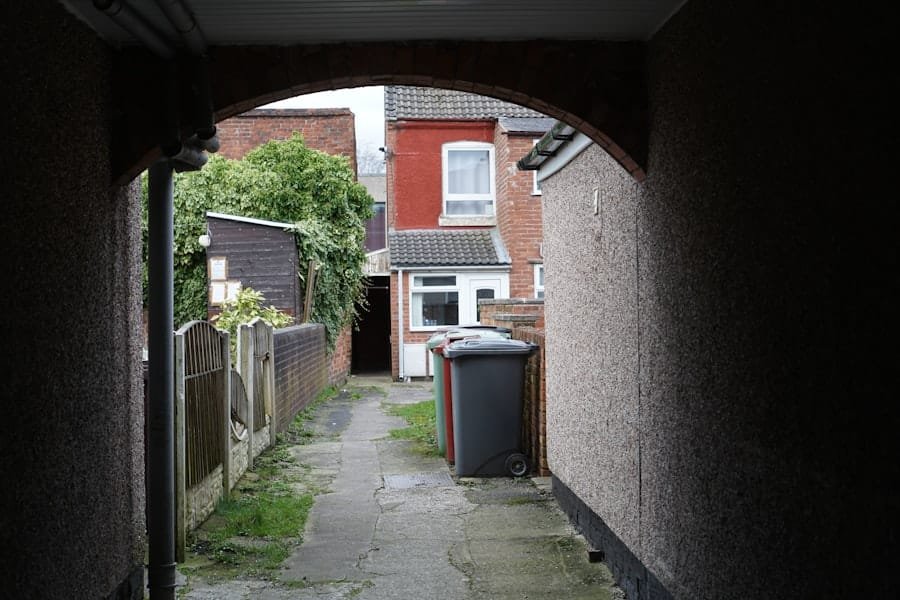
Garden storage boxes are the most flexible and often the most affordable option. They range from small deck boxes to larger ‘keter style’ chest boxes.
When a Box is All You Need
Boxes are fantastic for cushions, small tools, gardening gloves, pool accessories, toys, or even as temporary storage during garden projects. They’re great for smaller gardens or specific areas like a patio or balcony.
Types of Garden Storage Boxes
The material choice here often dictates aesthetics, durability, and cost.
Plastic (Resin) Storage Boxes
These are by far the most popular type due to their weather resistance, low maintenance, and relatively low cost.
- Pros:
- Weatherproof: Generally very good at keeping contents dry.
- Maintenance-Free: No need for painting or treating.
- Lightweight: Easy to move around the garden as needed.
- Versatile: Come in many sizes, often double as seating.
- Affordable: Usually the most budget-friendly option.
- Cons:
- Aesthetics: Can look plastic-y, though many now have wood-effect finishes.
- Security: Generally not very secure, easily broken into.
- Durability (long-term): Can become brittle or fade over time, particularly cheaper models.
- Capacity: Limited compared to sheds or larger cabinets.
Wooden Storage Boxes
These offer a more natural and aesthetically pleasing look, often blending seamlessly with wooden decks or garden furniture.
- Pros:
- Aesthetics: Look great, often match other wooden garden items.
- Sturdy: Can be very robust, especially if made from quality timber.
- Customization: Can be painted or stained.
- Ventilation: Often allows for better airflow, reducing mustiness.
- Cons:
- Maintenance: Requires regular treatment to prevent rot, warping, and insect damage.
- Cost: More expensive than plastic alternatives.
- Weight: Can be quite heavy, especially when filled.
- Water-tightness: May not be as completely watertight as some plastic options without good lining.
Metal Storage Boxes
Less common for general garden storage, but highly durable and secure for specific applications. Think heavy-duty tool chests.
- Pros:
- Durability: Extremely tough and long-lasting.
- Security: Excellent for securing valuable items.
- Pest Resistant: Impervious to rodents and insects.
- Cons:
- Aesthetics: Can look industrial or out of place in a typical garden.
- Weight: Very heavy, difficult to move.
- Condensation: Prone to internal condensation if not ventilated.
- Cost: Often the most expensive option for a given capacity.
Box Features to Look For
Consider these practical points when picking a storage box:
Seating Functionality
Many plastic and some wooden storage boxes are designed with reinforced lids so they can double as extra seating. This is a great space-saving feature for patios and decks.
Wheels and Handles
If you anticipate moving the box around, even occasionally, built-in wheels and sturdy handles can make a huge difference.
Hinges and Lids
Look for boxes with strong, smooth-operating hinges. Hydraulic or soft-close hinges are a bonus, preventing lids from slamming shut on fingers. A lid that seals well is crucial for keeping contents dry.
Sure, here is the sentence with the clickable link:
I love to relax in my backyard with beautiful Outdoor Furniture.
Strategic Placement and Organization
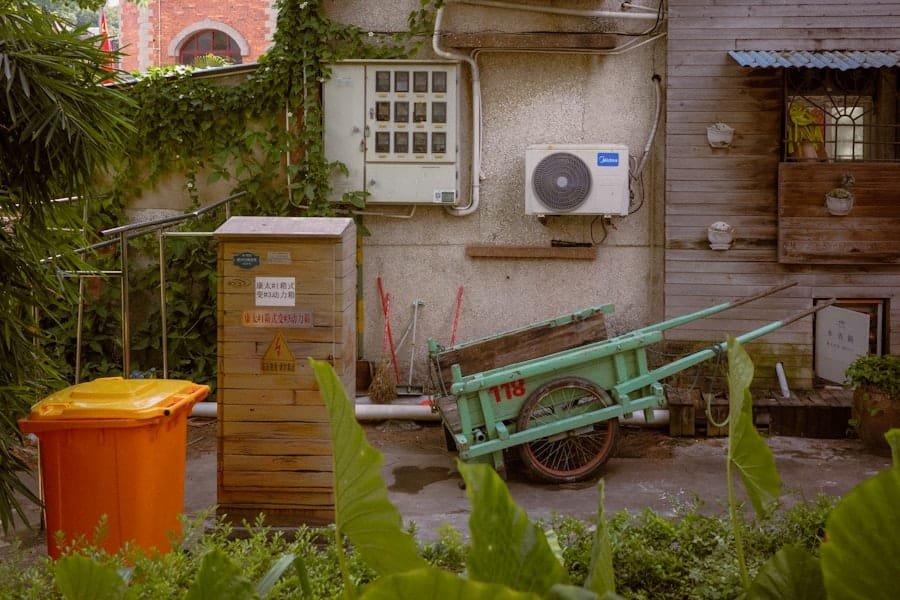
No matter which storage solution you choose, where you put it and how you organize it can make a big difference in its utility and longevity.
Location, Location, Location
Think about where you’ll be using your tools most frequently. A shed might be best near the back of the garden, while a cabinet could be closer to your main planting beds, and a box right on the patio. Consider sun exposure – too much sun can degrade plastic over time, while too much shade can lead to dampness. Ensure good air circulation around and within your chosen storage.
Internal Organization
This is key to making your storage efficient.
Shelving and Hooks
Regardless of whether you have a shed, cabinet, or even a large box, adding shelves, pegboards, and hooks can maximize space and keep items visible and accessible. Don’t just dump things in; give them a designated spot.
Clear Containers
For smaller items like seeds, labels, or hand tools, transparent containers can help you quickly find what you need without rummaging.
Vertical Storage
Utilize wall space! This is especially important in sheds and taller cabinets. Hanging tools on walls frees up floor space and makes them easy to grab.
When considering the best options for organizing your outdoor space, it’s essential to explore various storage solutions, such as sheds, cabinets, and boxes. Each option has its unique advantages, catering to different needs and preferences. For those looking to enhance their outdoor experience further, you might find inspiration in a related article that discusses how to elevate your outdoor living area with stylish furniture and accessories. Check it out here for ideas that complement your storage choices while creating a beautiful and functional outdoor environment.
Budgeting for Your Storage Solution
The cost of garden storage can vary wildly, from a £30 plastic box to a £3000 custom-built shed.
What to Expect
- Storage Boxes: Generally £30 – £250.
- Garden Cabinets: Typically £100 – £500.
- Sheds: Expect to pay anywhere from £300 for a basic plastic or small metal shed, up to £1500+ for a good quality large wooden shed, not including foundation or installation costs.
Remember, the cheapest option isn’t always the best value in the long run. Consider the longevity and maintenance requirements. A slightly more expensive, well-built item that lasts 15 years might be cheaper than replacing a flimsy one every 3-5 years.
Wrapping Up Your Storage Decision
Choosing between a shed, cabinet, or box isn’t just about size; it’s about matching the solution to your specific needs, your garden’s aesthetic, and your budget.
- Sheds are for serious storage, large equipment, and potentially creating a dedicated workspace. They require more planning and maintenance but offer unparalleled capacity.
- Cabinets are the go-between, perfect for medium-sized items and situations where a shed is too big but a box is too small. They offer good organization and can tuck away neatly.
- Boxes are your flexible, quick-fix solutions for smaller items, frequently accessed goods, or areas with limited space. They’re often multi-functional and budget-friendly.
Take inventory of what you need to store, measure your available space, and think about how much time you’re willing to put into maintenance. With a bit of thought, you’ll find the perfect home for all your garden essentials, keeping your outdoor space tidy and functional.
FAQs
1. What are the advantages of using sheds for garden storage?
Sheds provide ample space for storing large garden equipment such as lawnmowers, wheelbarrows, and bicycles. They also offer protection from the elements and can be used as a workspace for gardening projects.
2. What are the benefits of using cabinets for garden storage?
Cabinets are ideal for organizing and storing smaller garden tools, pots, and supplies. They can be placed in a garage or outdoor space and provide easy access to frequently used items.
3. How do garden storage boxes compare to sheds and cabinets?
Garden storage boxes are versatile and can be used to store a variety of items such as cushions, toys, and gardening tools. They are often more affordable than sheds and cabinets and can be easily moved around the garden.
4. What factors should be considered when choosing between sheds, cabinets, and boxes for garden storage?
Consider the amount of space needed, the types of items to be stored, and the available budget. Additionally, the climate and location of the storage solution should be taken into account to ensure durability and protection from the elements.
5. Are there any maintenance requirements for sheds, cabinets, and boxes used for garden storage?
Sheds may require periodic maintenance such as painting or sealing to protect against weather damage. Cabinets may need occasional cleaning and organization to keep items easily accessible. Garden storage boxes may need to be cleaned and inspected for any signs of wear or damage.