
Choosing the right type of wooden outdoor furniture really boils down to balancing durability, maintenance, and how it looks with your outdoor space. It’s not just about picking something pretty; you’ll want wood that can stand up to the elements without turning into a high-maintenance headache or falling apart after a season. We’ll explore the different wood types, what makes them suitable (or not), and how to pick the best fit for your home.
1. Understanding the Wood Basics: Hardwood vs. Softwood for Outdoors
When you’re looking at wooden outdoor furniture, you’ll primarily hear about hardwoods and softwoods. This isn’t about how hard the wood feels necessarily, but rather its botanical classification. Knowing the difference is your first step to making an informed choice.
1.1 Hardwoods: The Durable Outdoor Champions
Hardwoods generally come from deciduous trees (those that lose their leaves in autumn). They tend to be denser, more durable, and naturally more resistant to rot, insects, and weather compared to softwoods. This makes them a fantastic choice for outdoor furniture, but they often come with a higher price tag. Their tight grain structure also contributes to their longevity.
1.2 Softwoods: Budget-Friendly, but with Caveats
Softwoods typically come from coniferous trees (evergreens). While they are often more affordable and easier to work with, they are generally less dense and less naturally resistant to the elements without proper treatment. This doesn’t mean they’re unsuitable for outdoor furniture, but it does mean you’ll need to pay closer attention to how they’ve been treated and maintained.
When selecting the perfect wooden outdoor furniture for your space, it’s essential to consider various factors such as durability, maintenance, and style. For more insights on how to make the best choice, you can refer to a related article that provides comprehensive guidance on outdoor furniture options. Check it out here: Wooden Outdoor Furniture: How to Choose the Right Type. This resource will help you navigate through the different types of wood and their suitability for outdoor use, ensuring you make an informed decision for your outdoor living area.
2. Top Wood Species for Outdoor Furniture: What to Look For
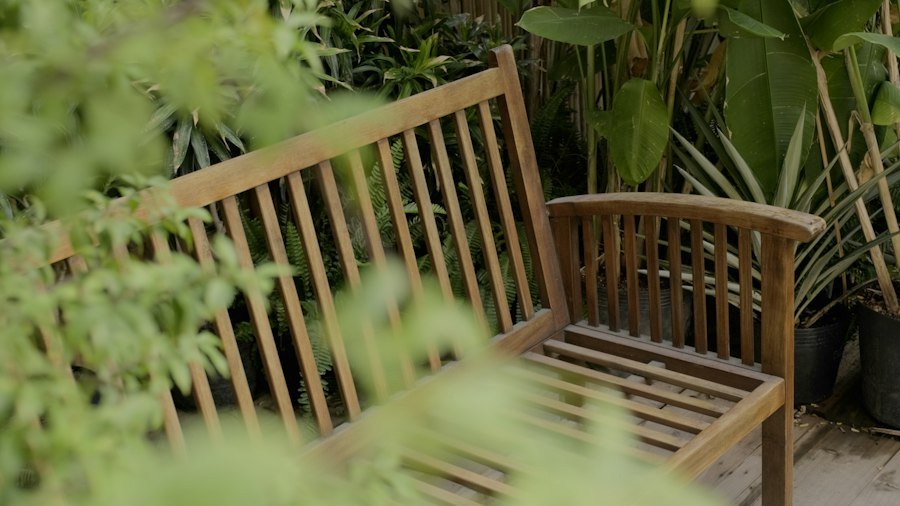
Let’s dive into the specific types of wood you’ll commonly encounter when shopping for outdoor furniture. Each has its own set of pros and cons regarding durability, appearance, maintenance, and cost.
2.1 Teak: The Gold Standard (with a Price Tag)
- Pros: Teak is widely considered the best wood for outdoor furniture. It’s incredibly dense, rich in natural oils, and highly resistant to water, rot, insects, and UV rays. It doesn’t need to be sealed or painted and can last for decades outdoors, often weathering to a beautiful silvery-gray patina if left untreated.
- Cons: The main downside is its cost. Teak is one of the most expensive options available due to its slow growth and high demand. It also needs to be sourced responsibly to ensure it’s not contributing to deforestation.
- Maintenance: If you want to maintain its original warm, golden-brown color, you’ll need to clean it periodically and apply a teak sealer or protector. If you prefer the silvery patina, minimal cleaning is needed.
- Best Use: High-end, long-lasting outdoor furniture where durability and minimal upkeep (if weathered) are top priorities.
2.2 Shorea (Red Balau): Teak’s More Affordable Cousin
- Pros: Shorea, often sold under names like “Balau” or “Red Balau,” is a dense hardwood with properties similar to teak, though not quite as robust. It’s naturally resistant to rot, insects, and weathering due to its high oil content and density. It’s also significantly more affordable than teak.
- Cons: While durable, it may not last as long as teak in extreme conditions and can sometimes “bleed” tannins when new, potentially staining surfaces below.
- Maintenance: Similar to teak, it will weather to a silvery-gray if left untreated. Regular cleaning and an annual application of a hardwood protector or oil can help maintain its original reddish-brown color.
- Best Use: A great mid-range option for durable, attractive outdoor furniture that offers excellent value without the premium price of teak.
2.3 Eucalyptus: Fast-Growing and Eco-Friendly (with More Upkeep)
- Pros: Eucalyptus is a fast-growing, sustainable hardwood that is more affordable than teak or shorea. It’s moderately dense and naturally resistant to moisture and insect damage. It often has an attractive reddish-brown color.
- Cons: It’s not as dense or naturally oily as teak or shorea, meaning it requires more regular maintenance to perform well outdoors. Without consistent oiling, it can crack, split, and fade.
- Maintenance: To maintain its appearance and durability, eucalyptus furniture typically needs to be cleaned and oiled with a penetrating hardwood oil 2-4 times a year, depending on your climate.
- Best Use: A good choice for budget-conscious buyers who are willing to commit to regular maintenance to extend the life of their furniture.
2.4 Acacia: Another Sustainable and Affordable Hardwood
- Pros: Acacia is a rapidly renewable hardwood, making it an eco-friendlier choice. It’s fairly dense and naturally resistant to insects and moisture, offering good durability for outdoor use. It comes in a variety of colors and grain patterns.
- Cons: Like eucalyptus, acacia requires more maintenance than teak or shorea. It can be prone to cracking or warping if not properly sealed and regularly oiled, especially in climates with significant temperature and humidity fluctuations.
- Maintenance: Needs regular cleaning and oiling (1-2 times per year) with a suitable hardwood protector or oil to maintain its appearance and prevent degradation.
- Best Use: An excellent option for those seeking an affordable, attractive hardwood that offers good outdoor performance with consistent maintenance.
2.5 Cedar (Western Red Cedar): Lightweight and Naturally Resistant
- Pros: Western Red Cedar is a lightweight, aromatic softwood known for its natural resistance to rot, decay, and insect infestation due to its natural oils. It has a beautiful reddish-brown color that weathers to a soft gray. It’s relatively inexpensive and easy to work with.
- Cons: Being a softwood, it’s softer than the hardwoods listed above and more susceptible to dents and scratches. While naturally resistant, it can still benefit from sealing to prevent fading and prolong its life.
- Maintenance: Requires minimal maintenance if you let it weather naturally. If you want to retain its color, you’ll need to apply a UV-protective sealer or stain every few years. Regular cleaning is still recommended.
- Best Use: Ideal for lightweight, comfortable outdoor furniture where natural resistance is key, and you don’t mind the softness or the weathered gray look.
2.6 Treated Pine/Fir: Budget-Friendly, but with Considerations
- Pros: Pressure-treated pine or fir is the most affordable wooden outdoor furniture option. The pressure treatment process infuses chemicals into the wood, making it highly resistant to rot, fungi, and insect damage. It’s widely available.
- Cons: The appearance is often less refined than natural hardwoods. The chemicals used in older treatments (CCA) were controversial, though modern treatments (ACQ, CA) are considered safer. It can still warp, crack, or splinter over time, and the treatment doesn’t prevent weathering.
- Maintenance: Requires regular cleaning. To maintain its appearance and further protect it, it should be stained or sealed every 1-3 years.
- Best Use: A highly budget-conscious choice for outdoor furniture or structures where cost and rot resistance are paramount, and aesthetics are a secondary concern.
3. Key Factors to Consider Before Buying
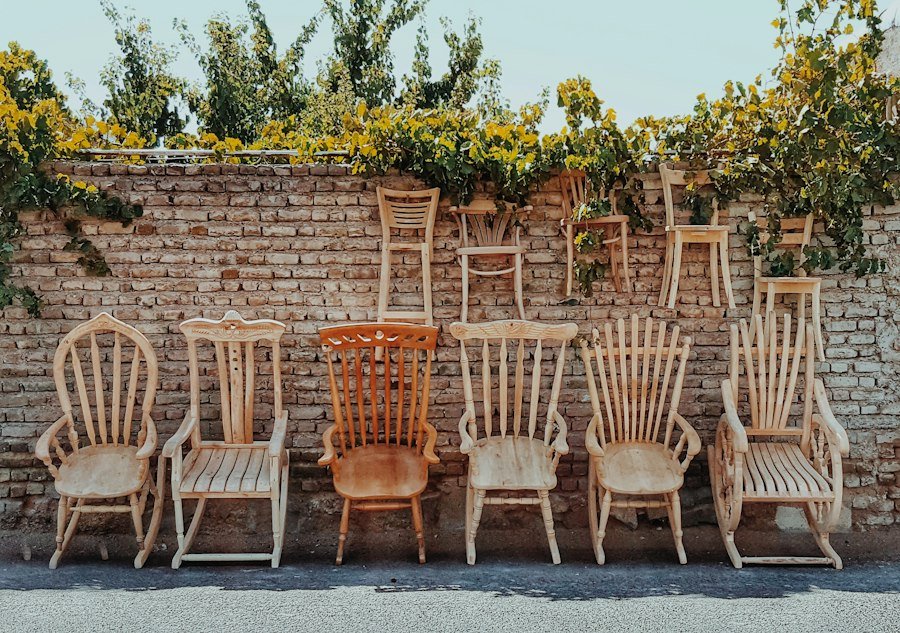
Beyond the wood type, several other practical considerations will influence your decision and satisfaction with your outdoor furniture.
3.1 Your Climate and Environment
- Humidity and Rain: If you live in a perpetually wet or humid climate, opt for woods with high natural oil content and density, like teak or shorea, as they are less prone to swelling, cracking, and rot.
- Sun Exposure: Intense UV rays can quickly fade and dry out wood. Even naturally resistant woods can benefit from covers or regular re-oiling/sealing if constantly exposed to harsh sun. Lighter woods might show sun damage more quickly.
- Temperature Swings: Drastic changes in temperature can cause wood to expand and contract, leading to cracks. Denser, more stable woods are generally better in these environments.
- Coastal Living: Salt air is corrosive. Teak’s natural oils provide excellent protection against salt, making it a top choice for coastal areas. Other woods will require more diligent sealing and cleaning.
3.2 Maintenance Commitment
- Low Maintenance: If you want to set it and forget it (mostly), teak (especially if you embrace the gray patina) and shorea are your best bets. They require minimal intervention.
- Moderate Maintenance: Eucalyptus, acacia, and cedar will need a bit more attention – think annual or bi-annual cleaning and re-oiling/sealing.
- High Maintenance: Treated pine or fir will generally demand the most regular painting, staining, or sealing to keep it looking good and protected.
- Be Realistic: Be honest with yourself about how much time and effort you’re willing to put into maintaining your furniture. Skipping maintenance can drastically reduce its lifespan.
3.3 Budget Constraints
- Entry-Level: Treated pine/fir, some types of acacia.
- Mid-Range: Eucalyptus, most acacia, cedar, shorea (can sometimes bridge into higher end).
- High-End: Teak.
- Long-Term Value: While teak has a high upfront cost, its unparalleled durability and minimal maintenance can make it a cost-effective choice over several decades compared to frequently replacing cheaper furniture. Consider the “cost per year” of ownership.
3.4 Style and Aesthetics
- Color and Grain: Different woods have distinct colors and grain patterns. Teak is golden-brown, shorea is reddish-brown, eucalyptus is often a reddish-brown, and cedar is a pale reddish-brown. Consider how these natural colors will complement your home’s exterior and landscaping.
- Weathered Look: Do you prefer the natural silvery-gray patina that many outdoor woods develop over time, or do you want to maintain the original color through regular treatment?
- Design: The type of wood often dictates the style of furniture available. For example, teak is commonly used in classic, robust designs, while lighter woods might be found in more casual or rustic pieces.
If you’re looking to enhance your garden space, consider investing in Outdoor Furniture that combines style and durability. The right Outdoor Furniture can transform your patio into a cozy retreat. Discover a wide range of Outdoor Furniture options to suit any style and budget.
4. Construction Quality and Assembly Matters
Even if you pick the “right” wood type, poor construction can quickly undermine its durability. Pay close attention to how the furniture is built.
4.1 Joinery: Beyond Just Screws
- Mortise and Tenon Joints: These are highly durable, interlocking joints common in high-quality furniture. They create strong, stable connections that resist wobbling and stress.
- Dowel Joints: Good for lighter stress points but less robust than mortise and tenon.
- Galvanized or Stainless Steel Hardware: All screws, bolts, and other fasteners should be galvanized or, ideally, stainless steel. Regular steel will rust, weakening the joints and staining the wood.
- Avoid Butt Joints with Only Screws: While acceptable for some internal bracing, furniture built with just butt joints and visible screws holding the main structural pieces together is generally lower quality and less durable.
4.2 Wood Thickness and Grain Orientation
- Generous Proportions: Look for furniture with substantial wood thickness in its structural components. Thicker pieces are less prone to warping and breakage.
- Straight Grain: Wood with a straighter, more consistent grain is generally more stable and less likely to warp or crack. Avoid pieces with large knots or wildly inconsistent grain patterns in critical structural areas.
4.3 Finishes and Sealing (If Applicable)
- Factory Finish: If the furniture comes pre-finished, inquire about the type of finish used (e.g., oil-based, water-based sealer). A good factory finish provides initial protection.
- Even Application: Check that any finish is applied evenly and thoroughly to all surfaces, including undersides and joints, to ensure consistent protection.
- Open Pore Finishes: Some woods (like teak, shorea) are often left with an “open pore” finish, meaning they are not heavily sealed but rather allowed to breathe and weather naturally or be treated with penetrating oils.
When selecting wooden outdoor furniture, it’s essential to consider not only the type of wood but also the durability and resilience of the pieces. For instance, an interesting article discusses the innovative floodproof features of BT Mart’s outdoor furniture, which can be a great addition to your outdoor space. You can read more about these innovations and how they enhance the longevity of outdoor furniture by visiting this related article. This information can help you make a more informed decision when choosing the right type of wooden furniture for your needs.
5. Practical Tips for Long-Term Enjoyment
Once you’ve made your choice, a little ongoing care can go a long way in ensuring your wooden outdoor furniture lasts for years.
5.1 Cleaning Routines
- Regular Wiping: Dust and wipe down your furniture regularly with a damp cloth to prevent dirt buildup.
- Deep Cleaning: Annually, or as needed, clean with a mild soap and water solution, or a specialized wood cleaner. Use a soft brush or sponge, scrub gently in the direction of the grain, and rinse thoroughly. Avoid harsh chemical cleaners or pressure washers, which can damage the wood fibers and strip natural oils.
- Mold and Mildew: If mold or mildew appears, clean immediately with a solution of diluted bleach (1 part bleach to 4 parts water) or a commercial mildew remover, then rinse well.
5.2 Protection from the Elements
- Furniture Covers: Investing in good-quality, breathable furniture covers is one of the best ways to protect your investment, especially during off-seasons or extended periods of non-use.
- Shade and Placement: If possible, place your furniture in a shaded area or use an umbrella to protect it from direct, intense sunlight, which can accelerate fading and drying.
- Winter Storage: In harsh winter climates, it’s best to store wooden outdoor furniture indoors, in a shed, or under a covered patio if possible. Ensure it’s clean and dry before storage.
5.3 Re-oiling or Re-sealing
- Follow Manufacturer Guidelines: Always follow the specific care instructions provided by the furniture manufacturer, as they best know their product’s finish and wood type.
- Timing: For woods that require it (eucalyptus, acacia, treated pine, some cedar), re-oiling or re-sealing typically needs to be done every 6-12 months, or as often as 2-4 times a year in very harsh climates.
- Application: Clean the furniture thoroughly and allow it to dry completely before applying any oil or sealer. Apply evenly with a cloth or brush, wiping off any excess after the recommended time.
By carefully considering these factors and making an informed choice, you can select wooden outdoor furniture that not only looks great but also stands the test of time and the elements, providing you with years of enjoyment.
FAQs
What types of wood are commonly used for outdoor furniture?
Common types of wood used for outdoor furniture include teak, cedar, eucalyptus, and redwood. Teak is highly valued for its durability and resistance to moisture, while cedar is known for its natural resistance to decay and insects. Eucalyptus offers a good balance of strength and affordability, and redwood is prized for its beauty and weather resistance.
How do I maintain wooden outdoor furniture?
To maintain wooden outdoor furniture, regularly clean it with mild soap and water to remove dirt and debris. Applying a protective sealant or oil can help preserve the wood’s natural color and prevent moisture damage. It’s also advisable to store the furniture in a dry place during harsh weather conditions or use protective covers when not in use.
What should I consider when choosing wooden outdoor furniture?
When choosing wooden outdoor furniture, consider factors such as the type of wood, the furniture’s intended use, climate conditions, and your budget. Additionally, think about the style and design that will complement your outdoor space, as well as the size and weight of the furniture for ease of movement and storage.
Is treated wood safe for outdoor furniture?
Yes, treated wood is generally safe for outdoor furniture. Pressure-treated wood is often used because it is infused with preservatives that help protect against rot, insects, and weather damage. However, it is important to ensure that the treatment used is safe for outdoor use and to follow any guidelines regarding sealing or finishing the wood.
How can I tell if wooden outdoor furniture is of good quality?
To determine the quality of wooden outdoor furniture, check for solid construction, smooth finishes, and even joints. High-quality furniture will typically use thicker wood and have a sturdy feel. Additionally, look for reputable brands or manufacturers that provide information about the wood source and any treatments applied to enhance durability.