
So, you’re eyeing some sleek stainless steel furniture for your outdoor space and wondering, “Is it really worth the investment?” The quick answer is: for many, yes, it absolutely can be, especially if durability, modern aesthetics, and minimal long-term fuss are high on your priority list. It’s not a budget option, but its longevity and resistance to the elements often make it a smart choice in the long run. Let’s dig into the details to help you decide if it’s the right fit for your patio, deck, or garden.
Understanding What Stainless Steel Brings to the Table
When we talk about stainless steel, we’re not just talking about any old metal. It’s an alloy, primarily iron, with at least 10.5% chromium. This chromium content is the game-changer, forming a passive layer on the surface that self-heals in the presence of oxygen, making it highly resistant to rust and corrosion. For outdoor furniture, this is a massive advantage over many other materials.
The Durability Factor
This is where stainless steel truly shines. Unlike wood that can rot, warp, or attract pests, or aluminum that can be softer and dent more easily, stainless steel is incredibly robust. It stands up to harsh weather conditions, from scorching sun to heavy rain and snow, without significant degradation. You won’t typically see it cracking, splintering, or corroding under normal outdoor use. This inherent strength means your furniture will likely last for decades, often outliving other outdoor pieces you might own. It’s a “set it and forget it” kind of material in many ways when it comes to structural integrity.
Rust Resistance Explained
While often called “stainless,” it’s more accurate to say “stain-less” or “rust-resistant.” The chromium layer prevents iron from reacting with oxygen and water to form rust. However, it’s not entirely immune. Exposure to saltwater environments, certain chemicals, or even prolonged contact with iron particles (like from steel wool or rusty tools nearby) can compromise this protective layer, leading to what’s known as “tea staining” or localized corrosion. For outdoor furniture, higher grades of stainless steel, like 304 or 316, are typically used because they offer superior resistance, especially 316, which contains molybdenum and is excellent for coastal areas.
Aesthetic Appeal and Versatility
Stainless steel offers a distinctly modern and sophisticated look. Its clean lines, smooth finish, and sometimes brushed texture lend themselves well to contemporary, minimalist, and even industrial design themes. It pairs beautifully with various materials like teak wood, tempered glass, concrete, and woven fabrics, allowing for versatile design combinations. This sleek appearance can elevate the overall feel of your outdoor space, creating a refined and inviting atmosphere that many other materials struggle to achieve with the same understated elegance.
When considering the durability and practicality of stainless steel outdoor furniture, it’s also worth exploring related innovations in outdoor furniture design. An insightful article titled “Floodproof Innovations: The Resilience of BT Mart’s Outdoor Furniture” discusses how modern materials and engineering techniques enhance the longevity and functionality of outdoor furniture in various weather conditions. You can read more about these advancements and their implications for outdoor living spaces by visiting this link: Floodproof Innovations: The Resilience of BT Mart’s Outdoor Furniture.
The Practical Side: Maintenance and Longevity
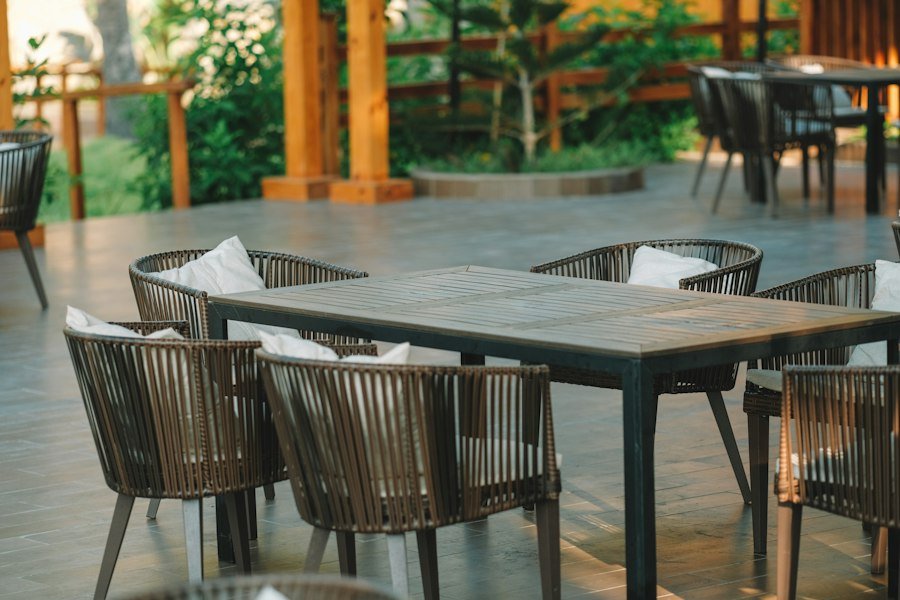
One of the biggest selling points for stainless steel outdoor furniture is its relatively low maintenance. While not entirely hands-off, the effort required to keep it looking good is significantly less than many other options.
Cleaning and Upkeep
Routine cleaning is usually quite simple. A quick wipe-down with a damp cloth and mild soap (like dish soap) will remove most dirt, dust, and grime. For more stubborn marks or fingerprints, specialized stainless steel cleaners can be used, which often leave a protective, streak-free finish. Avoid abrasive cleaners, steel wool, or harsh chemicals like bleach, as these can scratch the surface or damage the passive layer, potentially leading to corrosion. Regular cleaning, perhaps once a month or as needed, is usually sufficient to maintain its pristine look.
Addressing Tea Staining
If you live in a coastal area or notice minor discoloration (light brown spots resembling tea stains), it’s usually surface-level corrosion and can often be removed. A paste made from baking soda and water, or a specialized stainless steel cleaner designed for rust removal, can be effective. Gently rub with a soft cloth in the direction of the grain. After cleaning, rinsing thoroughly with fresh water and drying completely is crucial to prevent recurrence. For persistent issues, a professional restorer might be needed, but this is rare with proper care and appropriate grade selection.
Long-Term Value and Investment
While the initial cost of stainless steel outdoor furniture is typically higher than aluminum, wicker, or most wooden options, its longevity often makes it a worthwhile investment. You’re buying furniture that can genuinely last for decades without needing replacement due to structural failure or significant aesthetic degradation. Compare this to cheaper options that might need replacing every few years, and the long-term cost can be quite competitive, not to mention the environmental benefit of reducing waste. It holds its value well, too, should you ever decide to sell it.
Weighing the Pros and Cons
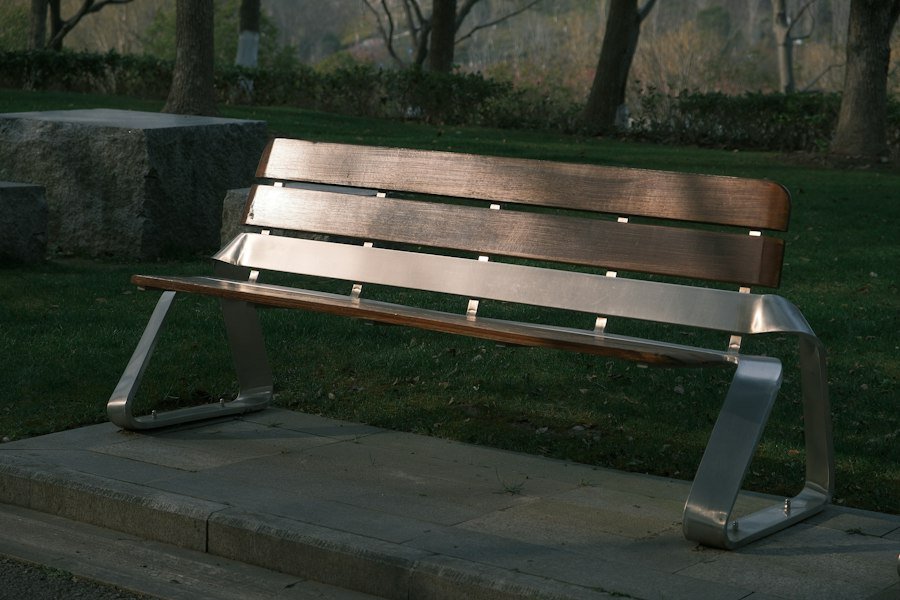
Like any material, stainless steel has its advantages and disadvantages. Understanding these can help you make an informed decision that aligns with your specific needs and priorities.
The Clear Advantages
- Exceptional Durability: As mentioned, it’s incredibly strong and resistant to most forms of wear and tear, including impact, scratching (to a degree), and bending.
- Weather Resistance: It handles sun, rain, snow, and extreme temperatures without warping, rotting, fading significantly, or corroding (especially higher grades).
- Low Maintenance: Simple cleaning is usually all that’s required to keep it looking good.
- Modern Aesthetic: Provides a sleek, contemporary look that complements many architectural styles.
- Hygienic: The non-porous surface makes it easy to clean and less likely to harbor bacteria.
- Pest Resistance: Unlike wood, it’s impervious to insects like termites and carpenter ants.
- Recyclable: Stainless steel is 100% recyclable, making it an environmentally friendly choice at the end of its very long life.
Potential Drawbacks to Consider
- Higher Initial Cost: This is often the biggest hurdle for many buyers. Quality stainless steel furniture is an investment.
- Heat Retention: In direct sunlight, stainless steel can get quite hot to the touch. This can be mitigated by choosing pieces with non-metal seating surfaces or using cushions.
- Weight: It’s heavier than aluminum, which can make rearranging furniture more challenging. However, this also contributes to its stability in windy conditions.
- Fingerprints and Smudges: The smooth, reflective surface can show fingerprints and smudges more easily than textured materials, requiring more frequent wiping if you’re particular about appearance.
- Potential for Tea Staining: While rare with proper care and grade selection, it’s not entirely rust-proof, especially in harsh coastal or chemically rich environments.
- Limited Color Options: While some stainless steel is powder-coated, the natural finish is typically silver/grey, which might not suit every color scheme.
If you’re looking to enhance your garden space, consider investing in Outdoor Furniture that combines style and durability. The right Outdoor Furniture can transform your patio into a cozy retreat for relaxation and entertainment. Explore a wide range of Outdoor Furniture options to find the perfect fit for your home.
Key Considerations Before Buying
Before you commit to stainless steel, there are a few important factors to think about. These will ensure you’re getting the right product for your specific situation.
Understanding Grades of Stainless Steel
This is perhaps the most critical factor for outdoor use.
- 304 Grade (18/8 or 18/10 Stainless Steel): This is a very common grade, offering good corrosion resistance. It’s suitable for most outdoor environments that aren’t overly harsh. The numbers refer to chromium and nickel content (e.g., 18% chromium, 8% nickel).
- 316 Grade (Marine Grade Stainless Steel): This is the superior choice for outdoor furniture, especially in coastal areas, near saltwater pools, or in industrial environments. It contains molybdenum, which dramatically increases its resistance to pitting and crevice corrosion from chlorides (salt). While more expensive, it offers significantly enhanced durability in challenging conditions.
Always confirm the grade of stainless steel used by the manufacturer. If they don’t specify, it’s likely 304 or a lower grade, which might not be ideal for all outdoor settings.
Design and Comfort
While durability is key, don’t overlook design and comfort.
- Style: Does the modern aesthetic of stainless steel fit with your existing outdoor decor and your home’s architectural style?
- Ergonomics: Sit on the furniture if possible. How comfortable are the chairs? Do the tables provide enough legroom?
- Cushions: Most stainless steel outdoor seating will require cushions for comfort. Ensure these are made from high-quality, weather-resistant fabrics (like Sunbrella) that won’t fade or mildew quickly. Check if the cushions are included or need to be purchased separately.
- Pairing Materials: Consider how the stainless steel integrates with other materials. Teak wood arms on chairs, a glass tabletop, or concrete accents can soften the metallic look and add visual interest.
Your Specific Climate and Location
Your geographical location plays a huge role in determining if stainless steel is worth it for you.
- Coastal Areas: If you live within a few miles of the ocean, 316 marine-grade stainless steel is highly recommended. The salt in the air significantly increases the risk of corrosion for lower grades.
- Humid Environments: High humidity generally doesn’t pose a major problem for good quality stainless steel.
- Extreme Temperatures: Stainless steel handles both hot and cold temperatures well without degrading. Remember the heat retention aspect in very sunny spots, though.
- Poolside: If the furniture will be near a chlorinated pool, again, 316 grade is preferable due to chlorine’s corrosive nature.
Budget Expectations
Be realistic about the cost. High-quality stainless steel outdoor furniture is an investment. It’s generally more expensive upfront than aluminum or plastic resin furniture. However, factor in the lifespan and reduced need for replacement, and the long-term value often outweighs the initial sticker shock. Think of it as buying furniture that could potentially be passed down.
When considering the investment in stainless steel outdoor furniture, it’s essential to explore various options that can enhance your outdoor space. One such option is highlighted in a related article that discusses how BT Mart can elevate your outdoor experience with stylish and durable furniture. You can read more about it here. This resource provides insights into the benefits of choosing high-quality materials for outdoor furnishings, making it a valuable read for anyone looking to upgrade their patio or garden area.
Is Stainless Steel Outdoor Furniture Worth It? The Final Verdict
After digging into all the details, the answer to “Is stainless steel outdoor furniture worth it?” largely boils down to your priorities and circumstances.
It is absolutely worth it if:
- You prioritize extreme durability and longevity. You want furniture that will genuinely last for decades with minimal fuss.
- You appreciate a modern, sleek, and sophisticated aesthetic. The clean lines and metallic finish appeal to your design sensibilities.
- You value low maintenance. You don’t want to spend a lot of time sanding, painting, or treating your outdoor furniture.
- You’re in a regular outdoor environment. Good quality 304-grade stainless steel will serve you well.
- You’re in a harsh coastal or poolside environment and are willing to invest in 316 marine-grade. This ensures maximum rust resistance.
- You see furniture as a long-term investment. You’re prepared for the higher upfront cost for an item that won’t need replacing soon.
It might not be the best choice if:
- You’re on a very tight budget. The initial cost can be prohibitive compared to other materials.
- You prefer a very traditional, rustic, or warm aesthetic. While versatile, stainless steel has a distinctly modern feel.
- You frequently rearrange your furniture alone and prefer very lightweight pieces. Its density makes it heavier than aluminum.
- You dislike the appearance of fingerprints or occasional minor smudges. While easy to clean, they can be visible.
- You’re in a coastal area but are unwilling to invest in 316 marine-grade. Lower grades will likely show tea staining.
In essence, stainless steel outdoor furniture is a premium product that delivers premium performance. It’s a robust, stylish, and long-lasting choice that, for many, provides excellent value over its extensive lifetime. If you’re looking for an enduring investment that will elevate your outdoor living space with minimal upkeep, it’s definitely a strong contender to consider. Just remember to verify the grade and ensure it aligns with your specific climate.
FAQs
What are the benefits of stainless steel outdoor furniture?
Stainless steel outdoor furniture is known for its durability, resistance to rust and corrosion, and low maintenance requirements. It can withstand various weather conditions, making it ideal for outdoor use. Additionally, its sleek and modern appearance can enhance the aesthetic of outdoor spaces.
How does stainless steel compare to other outdoor furniture materials?
Compared to materials like wood or plastic, stainless steel offers superior strength and longevity. While wood may require regular sealing and maintenance, and plastic can fade or crack over time, stainless steel remains stable and retains its appearance with minimal upkeep.
Is stainless steel outdoor furniture comfortable?
While stainless steel itself may not be inherently comfortable, many manufacturers design outdoor furniture with cushions and ergonomic shapes to enhance comfort. Choosing pieces with appropriate padding and support can make stainless steel furniture quite comfortable for outdoor lounging.
What maintenance is required for stainless steel outdoor furniture?
Stainless steel furniture requires minimal maintenance. Regular cleaning with mild soap and water is usually sufficient to remove dirt and grime. For tougher stains or scratches, specialized stainless steel cleaners can be used. It’s also advisable to periodically check for any signs of wear or damage.
Is stainless steel outdoor furniture environmentally friendly?
Stainless steel is considered an environmentally friendly option as it is recyclable and has a long lifespan, reducing the need for frequent replacements. Additionally, the production of stainless steel has improved over the years, with many manufacturers adopting sustainable practices to minimize environmental impact.