
1. Getting Started: Setting the Scene for Outdoor Dining
So, you’re dreaming of eating al fresco, right? Good call! Creating a fantastic outdoor dining area is totally achievable and can really transform how you use your backyard or patio. It’s all about making a comfortable, functional, and inviting spot where you can enjoy meals, entertain friends, or just kick back with a coffee. Think beyond just slapping a table and chairs out there; we’re aiming for a true extension of your living space.
The main thing to remember is that “perfect” isn’t about expensive furniture or elaborate landscaping. It’s about what works for you and your space. We’ll cover everything from picking the right spot to adding those personal touches that make it truly yours. Let’s dive in.
1.1. Finding Your Ideal Spot
Before you buy a single item, take a good look at your outdoor space. Where does the sun hit? Where’s the shade? What about privacy from neighbors?
- Sunlight and Shade: This is huge. Eating directly in the blazing midday sun isn’t fun. Look for a spot that gets natural shade during peak dining hours (usually late afternoon/early evening). If you don’t have natural shade from trees or your house, don’t worry, we’ll talk about artificial shade solutions later.
- Proximity to the Kitchen: The closer your dining area is to the kitchen, the easier it will be to ferry food, drinks, and dishes back and forth. This might seem obvious, but you’ll thank yourself for it when you’re not trekking across the yard with a hot lasagna.
- Privacy: Do you want to feel exposed to your neighbors or the street? Probably not. Consider areas that offer some natural screening, or where you can add it without too much fuss.
- Level Ground: A flat surface is crucial for stable tables and chairs. If your chosen spot isn’t level, you’ll need to address that first, whether it’s through simple leveling techniques or a more involved patio installation.
1.2. Defining Your Vibe
What kind of atmosphere are you going for? Casual and relaxed? A bit more formal for entertaining? Your overall style will influence your furniture, decor, and even lighting choices.
- Casual & Cozy: Think comfy cushions, string lights, maybe a fire pit nearby. This is for laid-back gatherings and everyday use.
- Sleek & Modern: Clean lines, minimalist furniture, perhaps a muted color palette. Focus on functionality and contemporary aesthetics.
- Rustic & Natural: Wood elements, natural textures, lots of plants. This style blends well with a garden setting.
- Bohemian & Eclectic: A mix of patterns, colors, and global influences. Often includes textiles, lanterns, and unique finds.
Having a general idea of your desired vibe will help you make cohesive choices as you go along.
If you’re looking to enhance your outdoor dining experience, you might find inspiration in the article titled “Elevate Your Outdoors with BT Mart,” which discusses various outdoor furniture options and design tips. This resource can provide you with ideas on selecting the right pieces to complement your dining area, ensuring comfort and style. To read more about it, visit Elevate Your Outdoors with BT Mart.
2. The Core Elements: Furniture and Layout
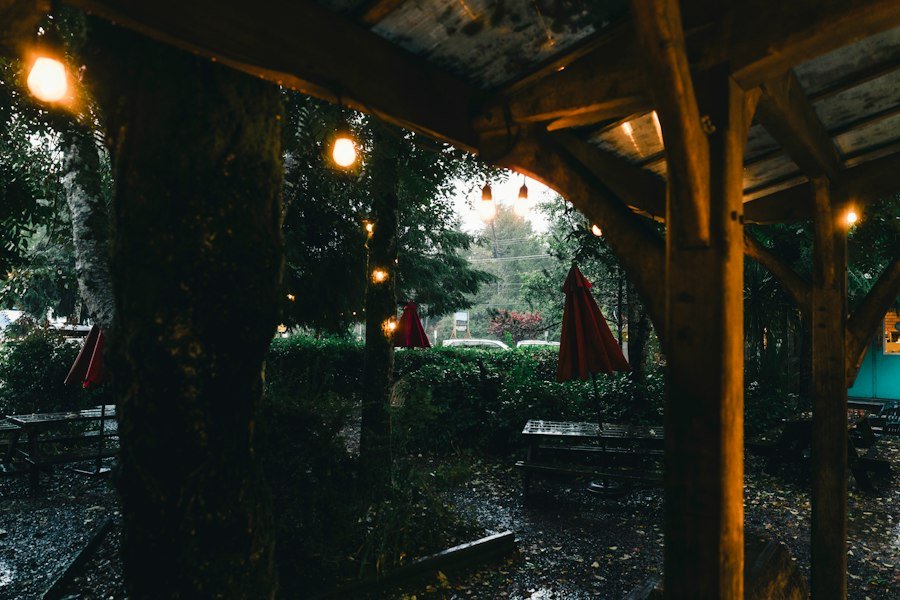
Once you’ve picked your spot and decided on a vibe, it’s time to think about the practical heart of your dining area: the furniture. This isn’t just about looking good; it’s about comfort, durability, and functionality.
2.1. Choosing Your Dining Set
This is often the biggest investment, so choose wisely. Consider materials, size, and comfort.
- Material Matters:
- Wood (Teak, Eucalyptus, Acacia): Looks natural and beautiful. Teak is incredibly durable and weather-resistant, but pricier. Eucalyptus and acacia are good alternatives, often needing more regular sealing or oiling to maintain their look and longevity.
- Wicker/Rattan (Natural or Synthetic): Natural wicker is gorgeous but needs protection from the elements. Synthetic (resin) wicker is much more durable, weather-resistant, and low-maintenance.
- Metal (Aluminum, Wrought Iron, Steel): Aluminum is lightweight, rust-resistant, and easy to move. Wrought iron is heavy, extremely sturdy, and can withstand strong winds, but it’s prone to rust if not properly treated and maintained. Steel is a good middle ground but can still rust if not coated.
- Plastic/Resin: Very affordable, lightweight, and low-maintenance. Can be less aesthetically pleasing to some, but modern designs are much improved.
- Size and Seating:
- Consider Your Guest List: How many people do you typically host? A standard round table seating 4-6 is popular, while larger rectangular tables can accommodate 6-8 or more. Don’t forget benches for space-saving and a more casual feel.
- Measure Your Space: Seriously, get out a tape measure! Leave enough room around the table for chairs to be pulled out comfortably and for people to walk by. A general rule of thumb is at least 3 feet (about 90 cm) of clear space behind pulled-out chairs.
- Comfort is Key: Don’t underestimate the power of comfortable chairs. If people are going to sit there for a while, they need to be relaxed. Look for chairs with good back support, and plan on adding outdoor cushions for extra padding and a pop of color.
2.2. Smart Layout Strategies
Arranging your furniture effectively makes a huge difference in flow and usability.
- Dining Zone: Clearly define where the eating happens. This might be a central table and chairs.
- Serving/Prep Area: If you have space, a small side table, bar cart, or even a narrow console near the dining table is invaluable for holding serving dishes, drinks, or extra utensils. This keeps the main dining table from getting too cluttered.
- Traffic Flow: Ensure there are clear pathways around the dining area to other parts of your yard, house, or grill. You don’t want people constantly bumping into chairs or having to squeeze by.
- Flexibility: Consider furniture that can be easily rearranged or folded away if you have limited space or want to use the area for different purposes. Expandable tables are a great option for occasional larger gatherings.
3. Creating Comfort: Shade, Light, and Warmth
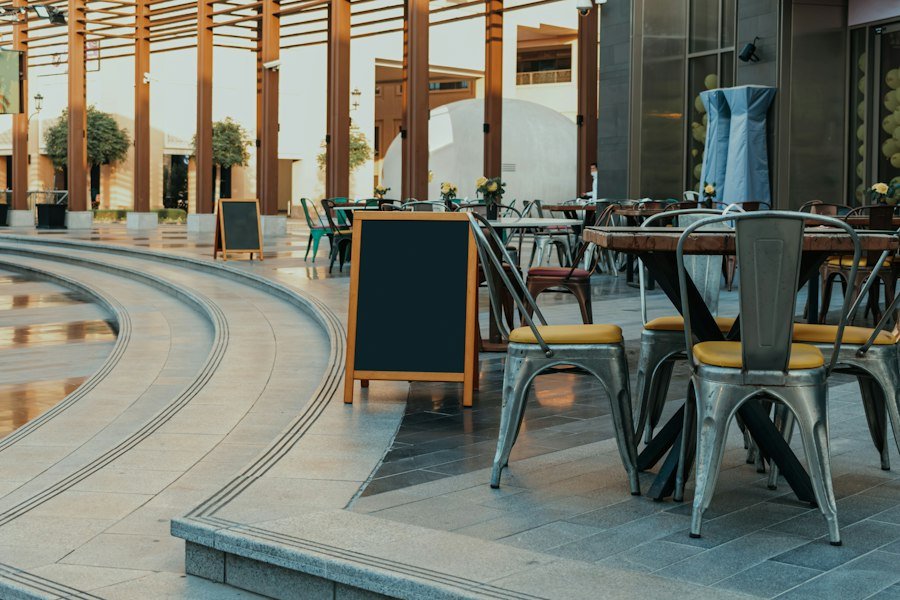
Once the main furniture is in place, it’s time to layer in the elements that make your outdoor dining area truly comfortable and usable for more hours of the day and year.
3.1. Battling the Sun: Shade Solutions
Nobody wants to sweat through dinner or squint at their plate. Shade is non-negotiable for comfortable daytime dining.
- Umbrellas:
- Market Umbrellas: These are your standard, center-pole umbrellas that fit through a hole in the middle of a dining table. They’re versatile and come in many sizes and colors.
- Cantilever/Offset Umbrellas: These have a base and pole off to the side, allowing the umbrella canopy to “hang” over the dining area without a pole obstructing the table. Great for larger areas or if your table doesn’t have an umbrella hole. They often require a heavier base or to be bolted down for stability.
- Key Consideration: Always choose an umbrella with a sturdy base appropriate for its size, especially in windy areas.
- Pergolas and Awnings:
- Pergolas: These are open structures, usually with a slatted roof. They provide partial shade and are excellent for growing climbing plants like wisteria or grapevines, which can create a living canopy. You can also add retractable fabric covers for more complete shade when needed.
- Retractable Awnings: These are mounted to your house and can be extended or retracted as needed. They offer excellent, on-demand shade and rain protection, but can be a more significant investment.
- Shade Sails: These are triangular or square pieces of fabric that are stretched and anchored between multiple points. They offer a modern, architectural look and provide good shade. You’ll need solid anchor points (posts, walls, sturdy trees).
3.2. Setting the Mood: Lighting
As dusk falls, good lighting transforms your dining space from functional to magical. It’s about both practicality and ambiance.
- Task Lighting: You need to be able to see your food! Overheads lights, like pendants from a pergola or string lights directly above the table, work well.
- Ambient Lighting: This creates the overall mood.
- String Lights (Fairy Lights/Bistro Lights): A classic for a reason! They add instant warmth and a festive atmosphere. Drape them over pergolas, fences, or across trees.
- Solar-Powered Lanterns/Stakes: Convenient because they don’t require wiring, but often provide less intense light. Great for pathways or subtle accent lighting.
- Candles/LED Flameless Candles: Nothing beats the flicker of candlelight for intimacy. Use hurricane lamps or enclosed lanterns to protect them from breezes. LED versions are safer and last longer.
- Outdoor Floor Lamps/Table Lamps: Just like indoors, these can add stylish accents and provide soft, localized light.
- Safety First: Ensure all electrical outdoor lighting is rated for outdoor use (wet-rated) and properly installed to avoid hazards.
3.3. Extending the Season: Heating Elements
Don’t let a little chill send everyone indoors. Outdoor heating can significantly extend your dining season.
- Patio Heaters: These come in various forms, from tall, propane-fueled standing heaters to electric wall-mounted or hanging heaters. Propane models are popular for their portability and powerful heat output.
- Fire Pits: A fire pit is fantastic for ambiance and warmth, often becoming a focal point. Choose between wood-burning or gas-powered options. Ensure it’s placed a safe distance from furniture and overhead structures.
- Outdoor Fireplaces: A more permanent and often more expensive option, but offers excellent warmth and a grand aesthetic.
If you’re looking to enhance your garden space, consider investing in quality Outdoor Furniture. The right Outdoor Furniture can transform your patio into a cozy retreat. Discover a wide range of Outdoor Furniture options to suit your style and budget.
4. The Fun Stuff: Decor and Personal Touches
Now that you’ve got the essentials covered, it’s time to inject some personality and make the space feel truly inviting. This is where you can really have fun and let your style shine.
4.1. Soft Furnishings and Textiles
These instantly add comfort, color, and texture.
- Cushions and Pillows: Outdoor-rated cushions for chairs and decorative throw pillows can transform hard seating into plush comfort. Look for fabrics that are UV-resistant, water-repellent, and easy to clean.
- Outdoor Rugs: An outdoor rug can define the dining area, add a layer of softness, and introduce pattern or color. Make sure it’s designed for outdoor use to withstand weather and foot traffic.
- Table Linens: A weather-resistant tablecloth or placemats can elevate a simple table setting, especially for special occasions.
4.2. Bringing in Greenery: Plants and Landscaping
Plants are essential for creating an inviting, natural environment.
- Potted Plants: Easy to move and rearrange, potted plants add life and color. Consider herbs like rosemary, mint, or basil for practical use and lovely scents near your dining area. Flowers add a pop of cheer.
- Vertical Gardens: If space is limited, a vertical garden on a nearby wall can add greenery and even provide fresh herbs or small vegetables.
- Strategic Landscaping: Use hedges, tall grasses, or climbing vines on a trellis to create natural screening for privacy and a sense of enclosure.
- Scented Plants: Incorporate plants with pleasant aromas like jasmine, lavender, or citrus trees (if your climate allows) to enhance the sensory experience.
4.3. Accessorizing Smartly
Little details can make a big impact.
- Serving Essentials: Don’t forget durable outdoor dinnerware, glassware, and serving pieces. Melamine plates, acrylic glasses, and bamboo serving trays are practical and stylish alternatives to fragile indoor items.
- Centerpieces: A simple vase with fresh-cut flowers, a bowl of fruit, or a collection of decorative lanterns can be a beautiful centerpiece.
- Candles and Lanterns: As mentioned for lighting, these are also fantastic decorative elements that add warmth and sparkle.
- Art and Mirrors: Weather-resistant outdoor art or even an outdoor mirror (hung safely) can add unexpected depth and character to a wall or fence near your dining area.
- Insect Repellents (Subtly): While not decor, consider attractive citronella candles or diffusers to keep bugs at bay without being an eyesore.
Creating the perfect outdoor dining area involves more than just choosing the right furniture; it also requires considering the durability and resilience of the materials used. For those interested in enhancing their outdoor spaces, a related article discusses innovative floodproof designs that ensure your outdoor furniture withstands the elements. You can read more about these advancements in outdoor furniture by visiting this informative article. By combining style and functionality, you can create a dining area that is not only beautiful but also built to last.
5. Maintenance and Maximizing Enjoyment
You’ve put in the effort to create your perfect outdoor dining spot, now let’s talk about keeping it that way and making the most of it.
5.1. Keeping it Pristine: Cleaning and Care
A little regular maintenance goes a long way in preserving your outdoor oasis.
- Regular Wiping: Wipe down tables and chairs after each use to prevent dirt and grime buildup. A quick wipe can save you from a major scrubbing later.
- Cushion Care: Bring cushions indoors during heavy rain or when not in use for extended periods. Most outdoor fabrics can be spot cleaned or washed with a mild detergent and water. Ensure they dry completely to prevent mildew.
- Furniture Protection:
- Covers: Invest in good quality outdoor furniture covers to protect your dining set from sun, rain, and dust when not in use.
- Wood Furniture: Depending on the type of wood, you might need to reapply sealants or oils annually to maintain its finish and weather resistance.
- Metal Furniture: Check for rust spots on iron or steel furniture and touch them up with appropriate outdoor paint or rust-inhibiting primer.
- Deck/Patio Cleaning: Periodically sweep or hose down your patio or deck. For deeper cleans, a pressure washer (used carefully) or a deck cleaner can work wonders.
5.2. Thoughtful Storage Solutions
Having a place for everything makes setup and cleanup so much easier.
- Deck Boxes: These are fantastic for storing cushions, small decor items, and even outdoor games. Look for waterproof options.
- Storage Benches: Serve a dual purpose – seating and storage.
- Shelving/Cabinets: If you have an outdoor kitchen or covered patio, dedicated outdoor shelving or cabinets can keep dinnerware and serving pieces organized.
- Hooks: Simple hooks on a nearby wall or fence can be used for hanging aprons, small tools, or even string lights when not in use.
5.3. Maximizing Usability and Enjoyment
Your outdoor dining area isn’t just for eating! Think about how else you can enjoy it.
- Beyond Meals: Use it for morning coffee, an afternoon workspace, or a spot for board games with family.
- Music and Entertainment: Add an outdoor speaker for background music. If you have an outdoor TV nearby, it can be great for watching sports or movies.
- Embrace the Seasons: With heating elements, you can enjoy crisp autumn evenings. In warmer months, cooling misters or fans can make a difference.
- Personalize and Evolve: Your outdoor space should grow and change with you. Don’t be afraid to switch out decor, add new plants, or rearrange furniture to keep it fresh and inspiring.
Creating an outdoor dining area is an ongoing project of joy. By considering these practical steps and adding your personal flair, you’ll build a space you’ll love for years to come. Enjoy your meals under the sky!
FAQs
What are some key elements to consider when creating an outdoor dining area?
When creating the perfect outdoor dining area, consider factors such as the location, size, layout, seating options, lighting, and overall ambiance. These elements will contribute to the comfort and enjoyment of your outdoor space.
How can I choose the right furniture for my outdoor dining area?
When selecting furniture for your outdoor dining area, opt for durable materials that can withstand the elements, such as weather-resistant wicker, metal, or teak. Choose comfortable seating options and a table that fits the space well and accommodates the number of guests you typically entertain.
What are some creative ways to add ambiance to an outdoor dining area?
To enhance the ambiance of your outdoor dining area, consider adding string lights, lanterns, candles, or a fire pit for warm lighting. Incorporate outdoor rugs, throw pillows, and table decorations to create a cozy and inviting atmosphere for your guests.
How can I create shade in my outdoor dining area?
To provide shade in your outdoor dining area, consider options such as umbrellas, pergolas, awnings, or shade sails. These structures not only offer relief from the sun but also add a decorative element to your outdoor space.
What are some tips for maintaining an outdoor dining area?
To keep your outdoor dining area in top condition, regularly clean and maintain your furniture, cushions, and accessories. Store cushions and pillows when not in use, cover furniture during inclement weather, and sweep or hose down the area as needed to prevent dirt and debris buildup.