
Choosing outdoor furniture that truly stands the test of time, enduring sun, rain, and everything in between, boils down to a few key decisions about materials, construction, and how you plan to use it. It’s not just about what looks good on day one, but what will still look good and function well years down the line without becoming a rusty, splintered, or faded mess. Getting this right means investing wisely upfront and enjoying your outdoor space without constant replacement headaches.
1. Material Matters: The Foundation of Longevity
When you’re looking for outdoor furniture that lasts, the material it’s made from is arguably the most critical factor. Different materials handle weather differently, and understanding these nuances will guide you toward a smart purchase.
1.1. Metals: Strength and Corrosion Resistance
Metal furniture offers excellent durability, but not all metals are created equal for outdoor use.
1.1.1. Aluminum: Lightweight and Rust-Proof
Aluminum is a fantastic choice for outdoor furniture because it’s naturally rust-proof. Unlike steel or iron, aluminum doesn’t contain iron, so it won’t oxidize and rust when exposed to moisture. This makes it ideal for humid climates or areas with frequent rain. It’s also relatively lightweight, making it easy to move around your patio or deck. Look for powder-coated aluminum, which adds an extra layer of protection against scratches and fading, further extending its lifespan. While durable, very strong winds can potentially move lighter aluminum pieces if they’re not anchored or heavy enough.
1.1.2. Wrought Iron: Heavy-Duty and Sturdy
Wrought iron is incredibly strong and heavy, making it very stable in windy conditions. Its substantial weight also gives it a classic, elegant aesthetic. However, wrought iron is prone to rust if not properly maintained. It typically comes with a protective powder coating, but any chips or scratches in this coating can expose the metal to moisture, leading to rust. Regular inspection and touch-up painting are essential for its longevity. It’s also not as comfortable without cushions due to its rigidity.
1.1.3. Stainless Steel: Premium Durability
Stainless steel offers a high level of corrosion resistance due to its chromium content, which forms a passive protective layer. It’s incredibly strong and has a sleek, modern look. However, it’s generally more expensive than aluminum or wrought iron. While highly resistant, even stainless steel can develop “tea staining” or superficial rust spots in coastal environments with high salt content if not specifically marine-grade (316L). For most inland applications, standard outdoor-grade stainless steel (304) is more than sufficient.
1.2. Woods: Natural Beauty and Resilience
Wood brings warmth and a natural aesthetic to any outdoor space, but its longevity depends heavily on the type of wood and how it’s treated.
1.2.1. Teak: The Gold Standard for Durability
Teak is widely considered the best wood for outdoor furniture due to its high natural oil content and tight grain. These properties make it inherently resistant to rot, insects, and moisture. Teak furniture can last for decades, even when left exposed to the elements year-round. It starts with a warm honey-brown color and gradually weathers to a beautiful silvery-gray patina if left untreated. If you prefer to maintain the original color, periodic oiling is required. While expensive, its longevity often justifies the initial investment.
1.2.2. Shorea and Eucalyptus: Sustainable and Affordable Alternatives
Shorea and Eucalyptus are often touted as more sustainable and affordable alternatives to teak. They also contain natural oils that provide good resistance to rot and insects. However, they are typically not as dense or as oil-rich as teak, meaning they might not last quite as long without more diligent maintenance. Regular oiling and sometimes sealing are crucial to prevent cracking, splitting, and fading, especially in harsher climates. They offer a good balance of cost and durability when properly cared for.
1.2.3. Cedar and Redwood: Lightweight and Aromatic
Cedar and redwood are naturally resistant to rot and insects, thanks to their unique natural oils. They are also relatively lightweight and aromatic, providing a pleasant scent. However, they are softer woods compared to teak or eucalyptus, making them more susceptible to dents and scratches. They can also fade and splinter over time if not regularly sealed or stained. Their longevity is good, but often not quite on par with teak or the denser hardwoods without consistent protective treatments.
1.3. Synthetics: Modern Solutions for Low Maintenance
Synthetic materials have come a long way, offering excellent durability and very low maintenance.
1.3.1. All-Weather Wicker (Resin Wicker): Aesthetic and Resilient
All-weather wicker, also known as resin wicker or synthetic rattan, is made from high-density polyethylene (HDPE) or sometimes PVC. HDPE is generally considered superior due to its greater resistance to UV radiation, cracking, and fading. Good quality synthetic wicker is woven over a rust-proof aluminum frame, combining the best of both worlds. It’s incredibly durable, resistant to moisture, insects, and extreme temperatures, and requires very little maintenance beyond occasional cleaning. Avoid cheaper PVC-based wickers, which can become brittle and crack under sun exposure.
1.3.2. Recycled Plastic (HDPE Lumber): Eco-Friendly and Indestructible
Furniture made from recycled HDPE plastic lumber (like Polywood brand) is virtually indestructible and requires almost no maintenance. It won’t rot, splinter, fade, or ever need painting. It’s heavy enough to resist wind and completely impervious to moisture and insects. This makes it an excellent choice for waterfront properties or areas with harsh weather. While it might lack the natural aesthetic of wood, its longevity and low upkeep are unmatched. It often comes with substantial warranties, reflecting its durability.
When selecting outdoor furniture that can withstand the test of time, it’s essential to consider not only the materials and design but also the maintenance required to keep it looking great for years. For more insights on this topic, you can check out a related article that delves into the best practices for choosing durable outdoor furniture at this link. This resource provides valuable tips and recommendations to ensure your outdoor space remains stylish and functional for many seasons to come.
2. Construction Quality: Beyond the Surface
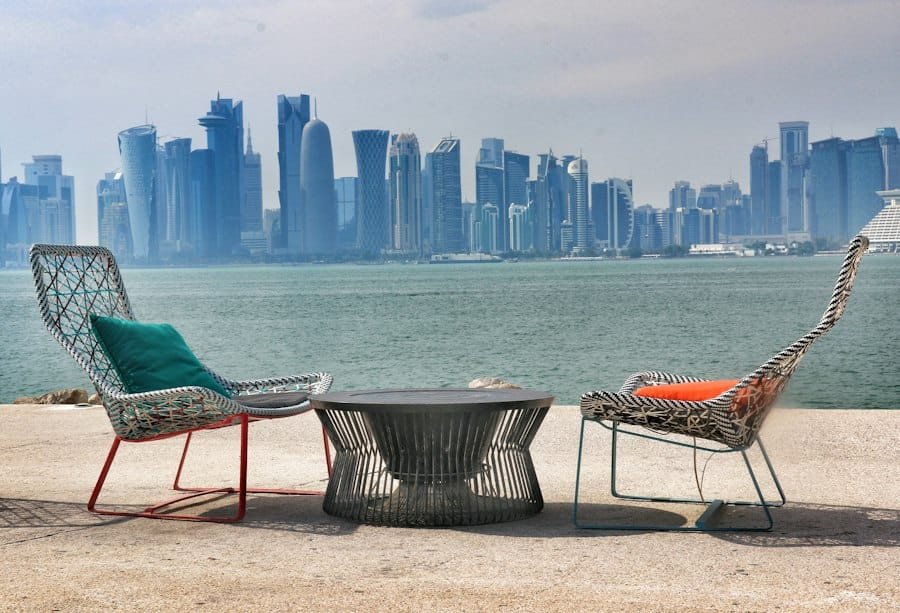
Even if you choose the best materials, poor construction can drastically shorten your furniture’s lifespan. It’s crucial to look beyond the surface aesthetics.
2.1. Joinery: The Strength of Connections
How the pieces of furniture are joined together is a strong indicator of its overall quality and durability.
2.1.1. Welds for Metal Frames: Smooth and Continuous
For metal furniture, especially aluminum, look for smooth, continuous welds rather than spot welds or visible gaps. Continuous welds create a stronger, more stable frame and prevent moisture from seeping into the joints, which can lead to rust (even in aluminum, where rust might manifest as a weak point rather than visible orange flakes). A well-welded frame indicates careful craftsmanship and greater resilience.
2.1.2. Mortise and Tenon Joints for Wood: Time-Tested Stability
In wooden furniture, traditional joinery methods like mortise and tenon joints, dowel joints, or dovetail joints signify superior construction. These methods involve fitting pieces of wood together precisely, often reinforced with glue and screws. Avoid furniture that relies solely on screws, staples, or simple butt joints, as these are more likely to loosen and fail over time, especially with exposure to temperature and humidity fluctuations.
2.2. Fasteners and Hardware: The Unsung Heroes
The quality of the fasteners and hardware used in assembly is just as important as the frame material.
2.2.1. Stainless Steel Hardware: Essential for Rust Prevention
Regardless of the furniture’s primary material, all screws, bolts, and other hardware should be made of stainless steel (ideally marine-grade for extreme conditions). Zinc-plated or regular steel fasteners will rust quickly when exposed to outdoor elements, staining your furniture and compromising its structural integrity. Check if bolts are recessed and capped, which further protects them from the elements and adds to the aesthetic finish.
2.2.2. Glides and Feet: Protecting Surfaces and Furniture
Look for protective glides or feet on the bottom of legs. These prevent scratching your patio or deck surfaces and also lift the furniture slightly off the ground, preventing moisture from pooling and potentially damaging the legs (especially important for wood). They also reduce wear and tear on the furniture itself during movement.
3. Cushions and Fabrics: Comfort and Weather Resistance
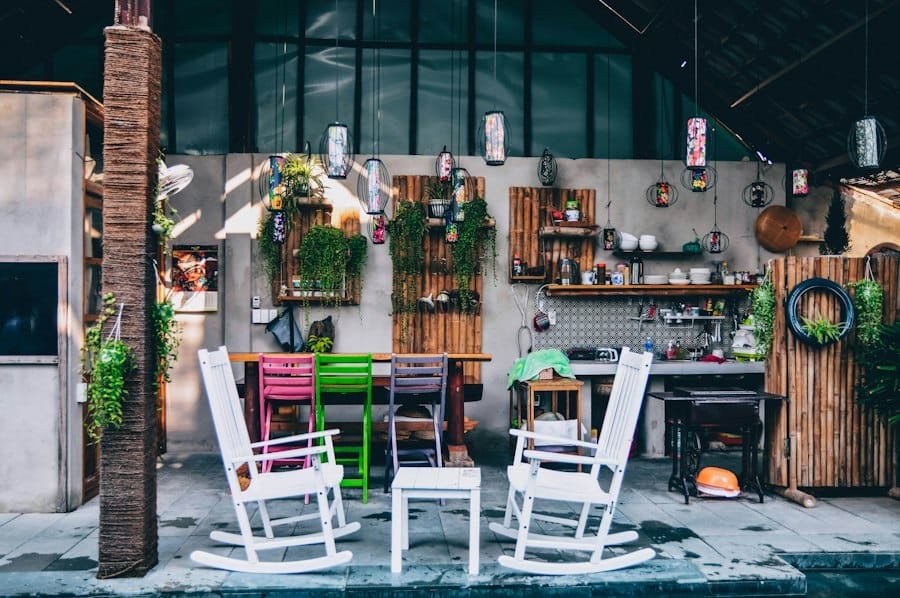
While the frame is about durability, cushions are about comfort and their own brand of weather resistance. Poor quality cushions can quickly become a moldy, faded eyesore.
3.1. Fabric Type: Designed for the Outdoors
Outdoor cushions require fabrics specifically engineered to withstand sun, moisture, and mildew.
3.1.1. Solution-Dyed Acrylic (e.g., Sunbrella): The Industry Standard
Solution-dyed acrylic fabrics, like Sunbrella, are the gold standard for outdoor cushions. In this process, the color pigment is added to the acrylic fibers before they are spun into yarn, meaning the color goes all the way through the fiber, not just on the surface. This makes them incredibly fade-resistant, even after prolonged sun exposure. They are also highly resistant to mildew, water, and staining. While more expensive, their longevity and vibrant color retention make them a worthwhile investment.
3.1.2. Olefin and Polyester: Good Value Alternatives
Olefin (polypropylene) and polyester are more affordable alternatives to acrylic. Solution-dyed olefin offers good fade and mildew resistance, making it a decent choice for moderate climates. Polyester is generally less fade-resistant than acrylic or olefin but can be treated for UV and water resistance. Look for marine-grade or outdoor-specific polyester that has been treated with UV inhibitors and water-repellent coatings to extend its life. These fabrics are usually less durable than acrylic but offer a good balance for budget-conscious buyers.
3.2. Cushion Fill and Construction: Longevity from the Inside Out
It’s not just the fabric; what’s inside the cushion and how it’s made also matters significantly.
3.2.1. Open-Cell Foam and Drainable Inserts: Preventing Moisture Build-Up
High-quality outdoor cushions use open-cell foam or specialized drainable inserts (like those made of reticulated foam). Open-cell foam allows water to pass through and drain quickly, preventing moisture from getting trapped inside, which is the primary cause of mildew and odors. Avoid standard indoor foam, which will absorb water like a sponge and degrade rapidly outdoors. Some cushions also include a Dacron wrap around the foam for added softness and to help maintain shape.
3.2.2. Zippers and Covers: Easy Maintenance
Look for cushions with removable, zippered covers. This allows for easy cleaning, and in some cases, replacement of just the cover if it gets damaged or if you want to update your look without buying new cushions. Ensure the zippers are heavy-duty, preferably nylon or rust-proof metal.
If you’re looking to enhance your garden space, consider investing in Outdoor Furniture that combines style and durability. The right Outdoor Furniture can transform your patio into a cozy retreat. Explore a wide range of Outdoor Furniture options to suit your style and budget.
4. Design and Ergonomics: Practicality for Real Life
Beyond raw durability, how the furniture is designed and its practical aspects play a huge role in whether you’ll actually use it and keep it for years.
4.1. Comfort and Functionality: It Has to Be Usable
A piece of furniture can be indestructible, but if it’s uncomfortable or doesn’t suit your lifestyle, it won’t be a lasting addition to your home.
4.1.1. Ergonomics: Sit Down and Try It
Always try to sit on the furniture before buying, if possible. Pay attention to seat depth, back height, armrest position, and overall comfort. Outdoor furniture often gets used for extended periods, so it needs to be genuinely comfortable, not just aesthetically pleasing. Consider how it will be used – for dining, lounging, or casual conversation – and choose pieces designed for that specific purpose.
4.1.2. Versatility and Adaptability: Multi-Purpose Pieces
Consider pieces that offer versatility. Modular sectionals, for instance, can be reconfigured to suit different occasions or spaces. Nesting tables save space when not in use. Furniture with built-in storage can be practical. The more adaptable your furniture, the more likely it is to remain useful and relevant as your needs change over the years.
4.2. Scale and Space Planning: Fitting Your Environment
The size and scale of your outdoor furniture are crucial for both aesthetics and functionality.
4.2.1. Measure Your Space: Don’t Guess
Before you even start shopping, accurately measure your outdoor area. Account for walkways, door swings, and any other elements. Use painter’s tape or newspaper cutouts on the ground to visualize how different pieces will fit and if there’s enough room to move around comfortably. Overcrowding a small space with oversized furniture makes it feel cramped and less inviting.
4.2.2. Visual Weight and Balance: Harmonious Design
Consider the visual weight of the furniture. Heavy, solid pieces can overpower a small patio, while delicate, airy designs might get lost in a large yard. Aim for a balance that complements the scale of your home and garden. Think about traffic flow and how people will navigate the space.
When selecting outdoor furniture that can withstand the test of time, it’s essential to consider not only the materials but also the design and maintenance requirements. For those looking for inspiration and options, a great resource is the article on the BT Marts collection of outdoor furniture, which showcases a variety of durable pieces suitable for any outdoor setting. You can explore it further by visiting this link. By understanding the features that contribute to longevity, you can make a more informed decision for your outdoor space.
5. Maintenance and Protection: Extending the Lifespan
Even the most durable outdoor furniture benefits from a little TLC. Proper maintenance and protection are key to ensuring it truly lasts for years.
5.1. Routine Cleaning: The Easiest Way to Preserve
Regular cleaning prevents dirt, grime, and environmental buildup from degrading your furniture.
5.1.1. Gentle Soap and Water: The Go-To Method
For most materials – aluminum, synthetic wicker, recycled plastic, and even treated wood – a simple solution of mild soap (like dish soap) and water is usually sufficient. Use a soft brush or cloth to scrub away dirt, then rinse thoroughly with a hose. Avoid harsh chemicals or abrasive cleaners, which can strip finishes or damage materials.
5.1.2. Specific Care for Materials: Wood Oiling and Iron Touch-Ups
Teak and other hardwoods benefit from periodic oiling (if you want to maintain their original color) or sealing to protect against UV damage and moisture. Wrought iron needs regular inspection for rust spots, which should be sanded lightly and touched up with rust-inhibiting paint as soon as they appear. Follow the manufacturer’s specific care instructions for your chosen material.
5.2. Protective Measures: Shielding from the Elements
While outdoor furniture is designed to withstand the elements, giving it extra protection can dramatically extend its life.
5.2.1. Furniture Covers: Your Best Defense
High-quality, breathable outdoor furniture covers are perhaps the single most effective way to protect your investment. Covers shield furniture from UV rays, rain, snow, pollen, bird droppings, and tree sap. Look for covers made from durable, waterproof yet breathable materials (like solution-dyed polyester) that fit snugly. Ensure covers allow for some air circulation to prevent mold and mildew growth underneath.
5.2.2. Storage During Off-Season: For Extreme Climates
In regions with harsh winters or extremely wet seasons, storing outdoor furniture indoors or in a sheltered area (garage, shed, or covered porch) is ideal. This completely removes it from the elements and prevents unnecessary wear and tear. If indoor storage isn’t an option, covering it thoroughly and ensuring it’s not sitting in standing water will be crucial.
5.2.3. Elevating Furniture: Preventing Ground Contact
For all types of furniture, especially those made of wood, avoid direct, prolonged contact with wet ground. Use risers or ensure feet have protective glides to lift the furniture slightly. This prevents moisture from wicking up into the legs and causing rot or deterioration over time. If your patio tends to pool water, consider a drainable surface or moving furniture during heavy rain.
By focusing on these key aspects—selecting the right materials, scrutinizing construction, choosing durable cushions, considering practical design, and committing to simple maintenance—you’ll be well on your way to furnishing an outdoor space that truly lasts for years to come, providing enjoyment and relaxation without becoming a constant chore.
FAQs
What materials are best for outdoor furniture that lasts for years?
Materials such as teak, cedar, aluminum, and stainless steel are known for their durability and ability to withstand outdoor elements. These materials are resistant to rot, rust, and corrosion, making them ideal for long-lasting outdoor furniture.
How important is proper maintenance for outdoor furniture longevity?
Proper maintenance is crucial for ensuring the longevity of outdoor furniture. Regular cleaning, applying protective coatings, and storing furniture during harsh weather conditions can significantly extend its lifespan.
What features should I look for in outdoor furniture to ensure durability?
When choosing outdoor furniture that lasts for years, look for features such as rust-resistant hardware, UV-resistant finishes, and sturdy construction. Additionally, consider furniture with removable cushions for easy cleaning and storage.
Is it worth investing in high-quality outdoor furniture for long-term use?
Investing in high-quality outdoor furniture is worth it for long-term use. While it may require a larger upfront investment, durable and well-made furniture will last for many years, ultimately saving you money in the long run.
How can I protect my outdoor furniture during the off-season?
To protect outdoor furniture during the off-season, consider covering it with weatherproof furniture covers, storing it in a shed or garage, or moving it to a covered area. Properly storing furniture when not in use can prevent damage and prolong its lifespan.