
When you’re trying to figure out the best material for outdoor furniture, it really boils down to balancing durability, maintenance, comfort, and how much you’re willing to spend. There’s no single “best” material for everyone, as what works for a poolside lounger might be different from what you need for a dining set on a covered patio. Generally speaking, materials like aluminum, teak, and various synthetics tend to be top contenders due to their weather resistance and longevity. The trick is to match the material to your specific climate, lifestyle, and aesthetic preferences.
1. Understanding Your Outdoor Space and Needs
Before diving into specific materials, let’s take a moment to think about your outdoor area. This isn’t just about picking something pretty; it’s about choosing furniture that will actually last and serve its purpose in your unique environment.
1.1. Climate Considerations
Your local weather conditions play a huge role in how well different materials will hold up.
1.1.1. Sun Exposure
If your furniture will be sitting in direct sunlight for most of the day, UV resistance is crucial. Materials that fade, crack, or degrade under strong UV rays will quickly look worn out. This is a big one to consider for things like cushions and painted finishes.
1.1.2. Rain and Humidity
Is your area prone to heavy rains, high humidity, or even coastal salt spray? Water and moisture can lead to rust, rot, or mildew on certain materials. Saltwater is particularly corrosive and needs materials that can withstand it.
1.1.3. Temperature Extremes
Do you experience scorching summers and freezing winters? Some materials can become brittle in extreme cold or warp in intense heat. Think about how much expansion and contraction different materials can handle without damage.
1.2. Lifestyle and Usage
How you plan to use your furniture also dictates the best material choice.
1.2.1. Frequency of Use
Will this be everyday seating for family meals, or occasional seating for guests? High-traffic areas need more robust, scratch-resistant materials.
1.2.2. Storage Options
Do you have space to store furniture indoors during off-seasons, or will it be exposed to the elements year-round? If year-round exposure is the case, you need materials that are truly all-weather.
1.2.3. Pets and Kids
If you have furry friends or little ones running around, you’ll want materials that are easy to clean, sturdy, and less prone to tipping or damage from energetic play. Sharp edges or materials that splinter are probably best avoided.
1.3. Maintenance Commitment
Be honest with yourself about how much time and effort you’re willing to put into cleaning and maintaining your outdoor furniture. Some materials are practically hands-off, while others require regular care to look their best and last longer.
When considering the best material for outdoor furniture, it’s essential to explore various options that combine durability, aesthetics, and comfort. A related article that delves deeper into this topic is available at BT Marts Collection of Outdoor Furniture. This resource provides insights into different materials used in outdoor furniture, helping you make an informed decision for your outdoor space.
2. Top Material Choices: Durability and Longevity
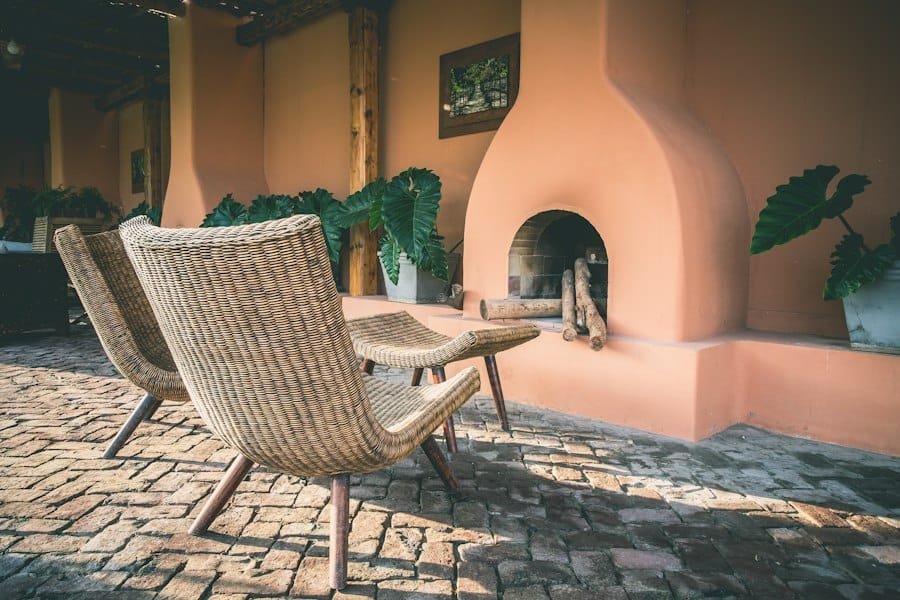
Let’s get into the specifics of materials that stand up well to the great outdoors. These are often considered the go-to options for a reason.
2.1. Aluminum
Aluminum is a hugely popular choice for outdoor furniture, and for good reason. It’s lightweight, strong, and highly resistant to rust.
2.1.1. Key Characteristics
- Lightweight: Easy to move around, which is great for rearranging or storing.
- Rust-Resistant: Unlike steel, aluminum doesn’t rust, making it ideal for wet climates or coastal areas.
- Durable: Despite being lightweight, it’s quite strong and can hold up well to regular use.
- Low Maintenance: Generally just needs a quick wash with soap and water.
- Powder-Coated Options: Many aluminum pieces are powder-coated, which adds a protective layer against scratches, fading, and further enhances its weather resistance.
2.1.2. Pros
- Excellent for all climates, including humid and coastal regions.
- Easy to clean and maintain.
- Available in many styles, from modern to traditional.
- Doesn’t heat up as much as other metals in direct sun.
2.1.3. Cons
- Can be more expensive than steel or some plastics.
- Can dent if hit hard enough.
- The finish can chip or scratch over time if not powder-coated or well-maintained.
2.2. Teak Wood
Teak is the gold standard for wooden outdoor furniture, known for its incredible natural durability and beautiful aging process.
2.2.1. Key Characteristics
- High Oil Content: Teak naturally produces oils and rubber, which make it exceptionally resistant to water, rot, insects, and fungi.
- Dense Grain: This dense structure contributes to its strength and longevity.
- “Silvering” Patina: Over time, exposed teak will naturally weather to a soft, silvery-gray patina. Some love this look, others prefer to maintain the original honey-brown color.
- Heavy: While durable, teak is quite heavy, making it stable but harder to move.
2.2.2. Pros
- Unmatched durability and weather resistance without special treatments.
- Can last for decades, even when left outdoors year-round.
- Develops a beautiful, natural patina.
- Requires minimal maintenance if you embrace the silvering.
2.2.3. Cons
- High upfront cost; it’s one of the most expensive materials.
- If you want to keep the original honey color, it requires regular oiling (typically once or twice a year).
- Heavy, so not ideal if you need to move furniture often.
- Ethical sourcing is a concern; look for FSC-certified teak.
2.3. HDPE (High-Density Polyethylene) Lumber / Recycled Plastic
Often referred to as “recycled plastic lumber” or “polywood” (a brand name), this material is made from recycled plastics, primarily milk jugs and detergent bottles.
2.3.1. Key Characteristics
- Extremely Durable: Impervious to rot, mold, mildew, insects, and moisture.
- Fade-Resistant: Colors are usually UV-stabilized, meaning they won’t fade significantly.
- Heavy and Stable: Has a good heft that keeps it from blowing away in wind.
- Low Maintenance: Requires virtually no maintenance beyond occasional cleaning.
- Eco-Friendly: Made from recycled materials, which appeals to environmentally conscious buyers.
2.3.2. Pros
- Virtually indestructible in outdoor conditions.
- Never needs painting, staining, or sealing.
- Comes in a wide array of colors that stay vibrant.
- Comfortable weight without being unmanageable.
- Excellent choice for harsh climates, including coastal.
2.3.3. Cons
- Can be expensive, often comparable to or exceeding teak prices.
- Some people find the aesthetic less “natural” than wood.
- Can sometimes scratch, though deep scratches are rare.
- Can get hot in direct sunlight, especially darker colors.
3. Other Strong Contenders: Good for Specific Scenarios
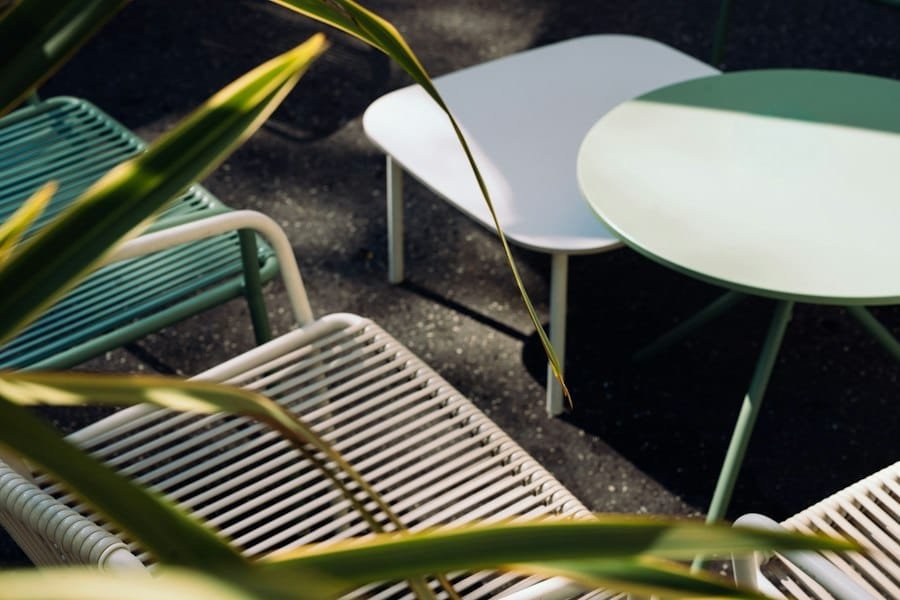
While the above three are often top-tier, several other materials offer excellent performance depending on your specific needs and budget.
3.1. Wrought Iron
Wrought iron offers a classic, heavy, and ornate look that many adore. It’s incredibly strong but has specific considerations.
3.1.1. Key Characteristics
- Extremely Heavy: Very stable in high winds, but difficult to move.
- Durable: Very strong and can last for many years.
- Rust Potential: While durable, it will rust if its protective finish is compromised and exposed to moisture.
- Classic Aesthetic: Often associated with traditional or European garden styles.
3.1.2. Pros
- Incredibly stable and resistant to tipping.
- Can be refinished and repainted to extend its life.
- Offers a timeless and elegant look.
3.1.3. Cons
- Heavy, making it hard to rearrange or store.
- Requires regular maintenance (sanding and repainting) to prevent rust, especially in humid or rainy areas.
- Can get very hot in direct sunlight.
- Not as comfortable as other materials without cushions.
3.2. Stainless Steel
For a more modern, sleek look, stainless steel offers great durability, especially in certain grades.
3.2.1. Key Characteristics
- Modern Aesthetic: Provides a clean, contemporary feel.
- Corrosion Resistant: Better than regular steel, but not entirely impervious, especially lower grades. Look for marine-grade (316L) for coastal areas.
- Strong: Very robust and can handle significant weight.
- Relatively Heavy: Heavier than aluminum but lighter than wrought iron.
3.2.2. Pros
- Stylish and contemporary.
- Good corrosion resistance, especially high-grade types.
- Strong and stable.
3.2.3. Cons
- Can be expensive.
- Lower grades can still show rust spots (pitting) over time, especially near saltwater.
- Can get hot in direct sun.
- Fingerprints and smudges can be noticeable.
3.3. All-Weather Wicker (Resin Wicker)
This isn’t natural wicker, which degrades quickly outdoors. All-weather wicker is typically made from synthetic resin (HDPE, PVC, or nylon) woven over an aluminum or steel frame.
3.3.1. Key Characteristics
- Woven Aesthetic: Mimics the look of natural wicker but with superior weather resistance.
- Lightweight (Aluminum Frame): If built on an aluminum frame, it’s easy to move.
- UV Resistant: Good quality resin wicker is treated to resist fading and becoming brittle in the sun.
- Low Maintenance: Easy to clean with soap and water.
3.3.2. Pros
- Attractive, comfortable, and often comes with plush cushions.
- Very durable against moisture, mildew, and most weather conditions.
- Easy to clean and maintain.
- Typically lightweight and easy to move.
3.3.3. Cons
- Quality varies greatly; cheaper versions can degrade, crack, and fade quickly.
- Can be pricey for high-quality, hand-woven pieces with good frames.
- Cushions are often the weak point and may need to be stored or covered.
Looking to enhance your garden space? Check out our selection of Outdoor Furniture for stylish and durable options. Transform your patio with our premium outdoor pieces today!
4. Materials to Approach with Caution (or for Covered Areas)
Some materials are fine in very specific circumstances but aren’t truly “all-weather” or require significant upkeep.
4.1. Natural Wicker
While beautiful, natural wicker (made from rattan, bamboo, or willow) is not suitable for prolonged outdoor exposure.
4.1.1. Why It’s Tricky
- Moisture Damage: Absorbs water, leading to mold, mildew, rot, and structural weakening.
- Sun Damage: Becomes brittle, fades, and cracks in direct sunlight.
- Insect Infestation: Prone to insect damage.
4.1.2. Best Use
Only for fully covered patios or sunrooms where it’s protected from rain, direct sun, and high humidity.
4.2. Regular Steel (Non-Stainless)
Though strong and often affordable, regular steel frames (like those found on many inexpensive patio sets) have a significant drawback.
4.2.1. Why It’s Tricky
- Rust: Without extremely diligent maintenance and flawless powder-coating, steel will rust when exposed to moisture. Once rust starts, it’s hard to stop.
4.2.2. Best Use
Acceptable for very dry climates, fully covered patios, or if you’re willing to commit to rust treatment and repainting every few years. Look for high-quality powder coating if you must use it outdoors.
4.3. Softwoods (Pine, Fir, Cedar)
Compared to teak, softwoods like pine or fir are far less durable for outdoor furniture without extensive treatment. Cedar is better, but still has limits.
4.3.1. Why It’s Tricky
- Pine/Fir: Prone to rot, insect damage, warping, and splintering if not regularly sealed, stained, or painted. They absorb water easily.
- Cedar: More naturally rot and insect-resistant than pine, but still needs sealing to maintain its appearance and prevent graying/splintering over time. It’s also softer and more prone to denting than hardwoods.
4.3.2. Best Use
- Pine/Fir: Only for fully covered areas, or if you’re prepared for annual sanding, sealing, or painting. Good for DIY projects where cost is a major factor and longevity isn’t paramount.
- Cedar: Good for moderate climates, especially if stained or sealed annually. Excellent for a rustic look.
When considering the best material for outdoor furniture, it’s essential to explore various options that combine durability and style. A related article that delves deeper into this topic can be found here, where you can discover insights on different materials and their benefits for outdoor settings. By understanding these factors, you can make an informed decision that enhances your outdoor living space while ensuring longevity and comfort.
5. Making Your Final Decision
With all this information, let’s tie it together to help you make an informed choice.
5.1. Prioritize Your Needs
- If Durability is King: Teak, HDPE lumber (recycled plastic), and high-quality aluminum are your best bets. They offer the most “set it and forget it” longevity.
- If Budget is a Major Concern: Aluminum can be found at various price points. Powder-coated steel is an option for covered areas, or if you’re okay with maintenance. Some synthetic wickers are also more budget-friendly.
- If Low Maintenance is Key: HDPE lumber, aluminum, and weathered teak require very little effort.
- If Style is Paramount: Consider wrought iron for classic elegance, stainless steel for modern chic, or all-weather wicker for a cozy, resort feel.
- If Weight is Important: Aluminum and all-weather wicker on aluminum frames are easy to move. Wrought iron, teak, and HDPE are heavy.
5.2. Don’t Forget the Cushions
The best frame material means little if your cushions are constantly soaked, faded, or mildewed. Always look for outdoor fabrics like Sunbrella, Outdura, or other solution-dyed acrylics. These are highly resistant to fading, mildew, and water. Quick-dry foam inserts are also a major plus. Consider if you’ll need to store cushions when not in use.
5.3. Consider Mixed Materials
Many excellent outdoor furniture pieces combine materials to leverage their strengths. For example, an aluminum frame with an all-weather wicker weave, or a teak tabletop on an aluminum base. This can give you the best of both worlds in terms of aesthetics and performance.
5.4. Read Reviews and Check Warranties
Before committing, especially to pricier items, read reviews specific to the brand and material. A good warranty (especially for fading or structural integrity) can be a strong indicator of quality.
Ultimately, the “best” material is the one that fits your personal preferences, budget, and lifestyle while standing up to the challenges of your specific outdoor environment. Take your time, consider the factors discussed, and you’ll find furniture that you can enjoy for many seasons to come.
FAQs
What are the most common materials used for outdoor furniture?
Some of the most common materials used for outdoor furniture include aluminum, teak, wicker, wrought iron, and plastic.
Is teak a good choice for outdoor furniture?
Teak is a popular choice for outdoor furniture due to its natural resistance to rot, insects, and weather conditions. It is also known for its durability and beautiful appearance.
What are the benefits of aluminum outdoor furniture?
Aluminum outdoor furniture is lightweight, rust-resistant, and low maintenance. It is also known for its durability and ability to withstand various weather conditions.
How do I maintain wicker outdoor furniture?
To maintain wicker outdoor furniture, regularly dust or vacuum it, clean it with a mild soap solution, and protect it from direct sunlight and harsh weather conditions. Applying a coat of varnish or lacquer can also help prolong its lifespan.
Is plastic outdoor furniture a good option?
Plastic outdoor furniture is a budget-friendly option that is lightweight, easy to clean, and resistant to moisture and insects. However, it may not be as durable or aesthetically pleasing as other materials like teak or aluminum.