
So, you’re thinking about upgrading your outdoor space, and you’re probably wondering, “Does ergonomic outdoor seating really make a difference, or is it just a fancy term for comfy chairs?” The short answer is: yes, it absolutely makes a difference, and it’s not just about looking good. Think of it like this: you wouldn’t buy a car that looks amazing but feels like you’re sitting on a rock, right? The same principle applies to your patio, deck, or garden. Ergonomic seating is designed to support your body, reduce strain, and make spending time outdoors genuinely enjoyable, not an endurance test. It’s about making your outdoor oasis a place you want to linger, whether you’re reading a book, hosting friends, or just soaking up the sun.
When we talk about “ergonomic” furniture, especially for outdoor use, it’s not just a buzzword. It’s rooted in the science of how our bodies work and how we interact with our environment. Essentially, ergonomic design aims to optimize well-being and performance by fitting the furniture to the person, not the other way around. For outdoor seating, this translates to specific features that address the way we sit, relax, and move.
The Body’s Natural Curves
Our bodies aren’t straight lines; they have curves. Ergonomic seating acknowledges this. It’s designed to follow the natural contours of your spine, hips, and legs, providing support where it’s needed most.
Lumbar Support is Key
This is probably the most talked-about aspect of ergonomic seating. Lumbar support refers to the curve in the lower back. Outdoor chairs with good lumbar support gently curve inwards at the back to cradle this natural indentation, preventing you from slumping and reducing the strain on your lower back muscles. Without it, you’re more likely to end up with aches and pains after just a short period.
Seat Depth and Angle Matters
It’s not just about the backrest. The depth and angle of the seat are crucial too. A seat that’s too deep can make it hard to sit upright comfortably, while one that’s too shallow won’t provide adequate thigh support. The ideal angle for most people is a slight recline, which takes pressure off the hips and allows for a more relaxed posture.
Preventing the Squeeze: Circulation and Pressure Points
Prolonged sitting can lead to discomfort not just from back strain, but also from pressure building up in certain areas and restricting blood flow. Ergonomic design aims to mitigate this.
Reducing Pressure on Thighs and Hips
When you sit, your body weight is distributed across your sit bones and the back of your thighs. Ergonomic seats are often designed with a slight “waterfall” edge – a rounded or slightly angled front – to prevent the seat from pressing into the back of your knees. This improves circulation and reduces that numb, tingly feeling you can get after sitting for too long.
Wider Seats for Freedom of Movement
While not strictly “ergonomic” in the strictest sense, wider seats can contribute to comfort by allowing you to shift your position more easily. Being able to move and adjust your posture throughout your time outdoors is an important part of long-term comfort.
For those interested in exploring the intersection of comfort and design in outdoor spaces, a related article titled “The Importance of Choosing the Right Outdoor Furniture” can provide valuable insights. This piece delves into how selecting the appropriate seating can enhance not only the aesthetic appeal of your patio or garden but also the overall comfort of your outdoor experience. To read more, visit here.
The Downsides of Uncomfortable Outdoor Seating
We’ve all been there. That “stylish” outdoor chair that looks great in the showroom but leaves you feeling stiff and sore after an hour. The reality is, choosing purely based on aesthetics can lead to a whole host of discomforts that can detract from your enjoyment of your outdoor space.
The Immediate “Ouch” Factor
It might not be a major injury, but the immediate discomfort is real. Chairs that are too hard, too upright, or lack proper support can cause you to fidget constantly, try to find a more comfortable position, and generally feel restless.
Stiffness and Aches
The most common complaint is stiffness, especially in the back, neck, and shoulders. If your outdoor seating forces your body into unnatural positions, your muscles will work harder to compensate, leading to that familiar ache.
Numbness and Tingling
As mentioned, poor seat design can cut off circulation. This is particularly true for seats that are too narrow or have sharp edges that dig into your legs.
The Long-Term Impact: More Than Just Annoyance
While a bit of stiffness might seem like a minor inconvenience, consistently using poorly designed furniture can have more lasting effects. Our bodies are designed to move, and prolonged static, unsupported positions can contribute to developing or worsening musculoskeletal issues.
Contributing to Poor Posture
If your outdoor chairs encourage slouching, you might find yourself adopting that posture more often, even when you’re inside. This can have a knock-on effect on your overall posture and spinal health.
Potential for Joint Pain Flare-ups
For individuals with existing joint issues, uncomfortable seating can exacerbate pain and inflammation. The lack of support puts extra stress on joints that are already compromised.
Key Features of Ergonomic Outdoor Seating to Look For
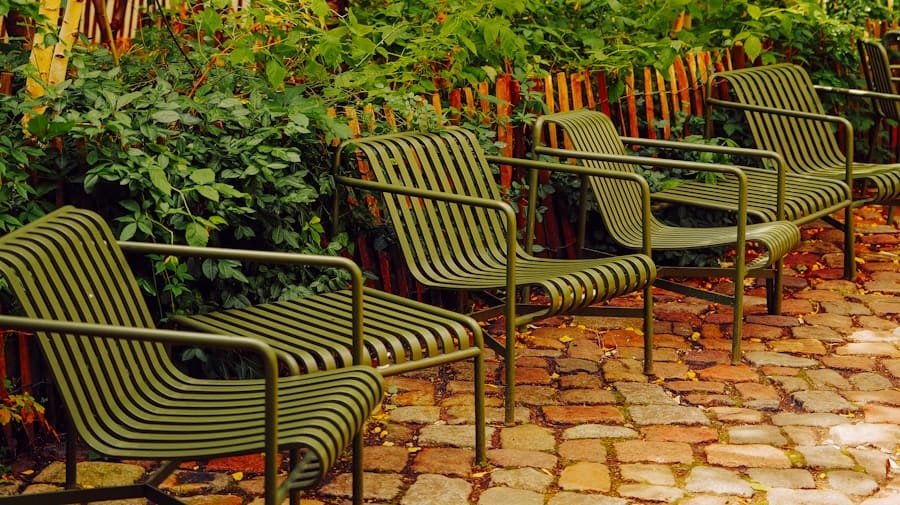
When you’re out shopping or browsing online, knowing what to look for can make all the difference. It’s about actively seeking out the design elements that contribute to true comfort and support.
Backrest Design: The Spine’s Best Friend
The backrest is arguably the most critical component of ergonomic seating. It’s what supports your back, and its design dictates how your spine is aligned.
Integrated Lumbar Support
This is non-negotiable for serious comfort. Look for chairs where the backrest has a noticeable inward curve in the lower section. Some chairs have adjustable lumbar support, which is even better, allowing you to fine-tune the level of support.
Proper Height and Angle
A good backrest should be tall enough to support your upper back and shoulders, not just your lower back. The angle is also important. A slight recline, generally between 100 and 110 degrees, is often considered ideal for relaxed sitting. Avoid chairs that are completely upright or recline too far back, as they can strain your neck or make it difficult to eat or converse.
Seat Construction: Comfort from the Ground Up
The seat itself plays a huge role in how comfortable you are. It’s where your body bears most of its weight.
Seat Depth and Width
As discussed, the depth should allow for comfortable thigh support without pressing into the back of your knees. A width that allows you to shift your position easily is also beneficial. Aim for a seat depth that lets you comfortably place a few fingers between the edge of the seat and the back of your knees when your back is against the backrest.
Upholstery and Cushioning (The Right Kind)
While cushions are an obvious addition for comfort, the way they are integrated matters. Look for cushions that are firm enough to provide support but soft enough to be comfortable. They should be tailored to the chair’s frame, so they don’t shift around too much. The material of the cushion should also be breathable and durable for outdoor use.
Armrests: More Than Just a Place to Rest Your Arms
Armrests can significantly enhance comfort by providing a place to rest your arms, reducing tension in your shoulders and neck.
Height and Placement
Ergonomically designed armrests are typically at a height that allows your shoulders to relax. They shouldn’t force you to hunch or strain. Their placement should also allow for easy entry and exit from the chair.
Comfortable Material and Shape
The material of the armrests should be comfortable to touch, especially in varying temperatures. Smooth, rounded edges are generally more comfortable than sharp ones.
Sure, here is the sentence with the clickable link:
I love to relax in my backyard with beautiful Outdoor Furniture during the summer.
Materials and Durability: Comfort That Lasts Outdoors

When you’re investing in outdoor furniture, it’s not just about the initial comfort; it’s about ensuring that comfort lasts through seasons and weather. The materials used play a massive role in both.
Weather Resistance is Paramount
Outdoor furniture faces the elements – sun, rain, wind, and temperature fluctuations. Choosing materials that can withstand this is crucial for both longevity and comfort.
Natural Materials: Wood and Wicker
- Wood: Hardwoods like teak, cedar, and acacia are naturally durable and weather-resistant. They can develop a beautiful patina over time. However, some woods require regular sealing or oiling to maintain their look and prolong their life. The grain and natural variations in wood can also contribute to a visually appealing and comfortable texture.
- Wicker (Natural and Synthetic): Natural wicker can be beautiful but often requires protection from the elements. Synthetic wicker, made from materials like polyethylene (PE) or resin wicker, is much more durable and weather-resistant. It’s designed to mimic the look of natural wicker but withstand UV rays and moisture without cracking or fading.
Metals: Aluminum and Wrought Iron
- Aluminum: Lightweight, rust-resistant, and strong, aluminum is a popular choice. Powder-coated aluminum can be very durable and comes in a range of colors. It can get hot in direct sun, so cushion choice is important here.
- Wrought Iron: While heavy and sturdy, wrought iron is susceptible to rust if not properly treated and maintained. It can also be quite hot in the sun and cold in the winter. Its classic aesthetic is appealing, but its practical comfort depends heavily on the cushions used.
Plastics and Resins: Modern Solutions
- Recycled Plastics: Many modern outdoor furniture pieces are made from recycled plastics. These are generally very durable, weather-resistant, and low-maintenance. They can mimic the look of wood or metal and often have a slightly softer feel.
- Resin and Polypropylene: These materials are often molded into ergonomic shapes and are excellent at resisting moisture, UV rays, and stains. They are usually very easy to clean.
Cushioning Materials: The Comfort Layer
Even the most ergonomically designed frame needs good cushioning. The materials used for outdoor cushions are specifically designed to handle moisture and UV exposure.
Quick-Drying Foams
Many outdoor cushions use quick-drying foam cores. These foams are designed to allow water to drain through them rapidly, preventing mildew and mold growth.
Fade-Resistant Fabrics
Outdoor fabrics like Sunbrella or Olefin are treated to resist fading from the sun’s UV rays. They are also typically water-repellent and easy to clean. The texture and breathability of these fabrics also contribute to overall comfort.
In exploring the importance of comfort in outdoor seating, it’s interesting to consider how style can also play a significant role in enhancing our outdoor experiences. A related article discusses innovative designs that seamlessly blend aesthetics with ergonomic features, ensuring that your outdoor space is both inviting and functional. For more insights on elevating your outdoor environment, you can read about it here. This combination of comfort and style can transform any patio or garden into a relaxing retreat.
Enhancing Your Ergonomic Outdoor Experience: Beyond the Chair
While the seating itself is the foundation, there are other factors that contribute to a truly comfortable and enjoyable outdoor experience. Think about creating a holistic environment where comfort is prioritized in every aspect.
Strategic Placement and Orientation
Where you put your furniture matters. Consider the sun’s path throughout the day and prevailing winds.
Shade and Sun Management
Position seating in areas that offer shade during the hottest parts of the day, or invest in umbrellas or pergolas. This makes a huge difference in how long you can comfortably sit outside.
Windbreaks and Privacy
If your outdoor space is exposed to strong winds, consider using screens, planters, or strategically placed larger furniture pieces to create a sheltered nook. Privacy can also enhance comfort, making you feel more relaxed and secure.
Accessories That Boost Comfort
Little additions can go a long way in elevating your outdoor seating experience.
Footrests and Ottomans
An ottoman or footrest is a simple but effective addition that transforms a regular chair into a lounger. It allows you to elevate your legs, improving circulation and reducing pressure on your lower back. Many outdoor furniture sets offer matching ottomans.
Throw Pillows and Blankets
Beyond the main cushions, extra throw pillows can provide additional lumbar support or simply add a touch of softness. Lightweight outdoor blankets are perfect for cooler evenings, allowing you to extend your time outdoors even when the temperature drops.
Incorporating Natural Elements
Bringing in elements of nature can further enhance the sense of relaxation and well-being.
Plants and Greenery
Surrounding your seating area with plants can create a calming atmosphere and provide natural shade. The visual appeal of greenery is also known to reduce stress.
Ambient Lighting
Soft, ambient lighting can create a cozy and inviting atmosphere for evening use. String lights, lanterns, or subtle path lighting can transform your outdoor space into a relaxing sanctuary after dark.
By considering these additional elements, you can create an outdoor oasis that isn’t just stylish but is also a genuinely comfortable and inviting space you’ll want to spend time in, season after season. It’s about making your outdoor living as comfortable as your indoor living, if not more so.
FAQs
What is ergonomic outdoor seating?
Ergonomic outdoor seating refers to furniture designed to provide maximum comfort and support for the body, particularly when used outdoors. This type of seating is designed to reduce strain and discomfort, and promote good posture.
Why is comfort important in outdoor seating?
Comfort is important in outdoor seating because it directly impacts the user’s experience and well-being. Comfortable seating encourages people to spend more time outdoors, promotes relaxation, and reduces the risk of discomfort or injury.
How does ergonomic outdoor seating differ from regular outdoor seating?
Ergonomic outdoor seating is specifically designed to provide optimal support and comfort for the body, taking into account factors such as posture, pressure points, and movement. Regular outdoor seating may not prioritize these ergonomic considerations.
What are the benefits of ergonomic outdoor seating?
The benefits of ergonomic outdoor seating include improved comfort, reduced risk of musculoskeletal issues, better posture, and enhanced relaxation. Additionally, ergonomic seating can contribute to a more enjoyable and sustainable outdoor lifestyle.
What factors should be considered when choosing ergonomic outdoor seating?
When choosing ergonomic outdoor seating, factors to consider include the materials used, the design and construction of the furniture, the level of support provided, and the overall comfort and functionality for the intended use. It’s important to prioritize both style and ergonomic features when selecting outdoor seating.