
Designing a poolside furniture setup isn’t just about throwing some chairs by the water. It’s about creating a functional, comfortable, and inviting space that complements your outdoor living and makes the most of your pool area. The key? Think about how you and your guests will actually use the space, the surrounding environment, and of course, durability.
Before you even start browsing furniture, take a good look at your pool area. This initial assessment is crucial for making smart choices.
Assess the Layout and Size
Is your pool area a sprawling oasis or a cozy nook? This directly impacts how much furniture you can accommodate and what types.
- Small Patios: If space is limited, opt for multi-functional pieces like storage benches or foldable chairs. Bistro sets are great for a compact dining option. Avoid bulky sectionals that will overwhelm the area. Think vertically with tiered plant stands or shelving if you want to add greenery without sacrificing floor space.
- Large Decks/Patios: With more room, you have the luxury of creating distinct zones. You might have a dedicated dining area, a lounging zone, and even a shaded reading nook. Consider larger pieces like modular sectionals, multiple sun loungers, or a full outdoor dining set.
- Irregular Shapes: If your pool area isn’t a perfect rectangle, consider how furniture will fit into those curves or angles. Flexible, modular pieces can be a lifesaver here, allowing you to adapt to the unique contours of your space.
- Proximity to the House: How close is the pool area to your backdoor or kitchen? This can influence whether you need a full dining setup out by the pool or if a smaller snack-and-drink area suffices, with larger meals being eaten closer to the house.
Consider Your Lifestyle and Usage
Who will be using this space, and for what purpose? This is where the real design decisions come into play.
- Solo Relaxation: If your pool is primarily for your quiet enjoyment, a comfortable chaise lounge, a small side table for a book and a drink, and perhaps a cantilever umbrella for shade might be all you need. Focus on individual comfort and tranquility.
- Family Fun: With kids in the mix, durability and safety are paramount. Look for furniture with rounded edges, easy-to-clean materials, and enough seating for everyone. Consider a designated play zone with bean bags or low-slung seating. Storage for pool toys is also essential.
- Entertaining Guests: Hosting often? You’ll need ample seating, a dining area, and perhaps a bar cart or outdoor kitchen setup. Think about traffic flow – how will people move between the pool, seating areas, and food/drink stations? Comfortable conversation areas are key.
- Dining Al Fresco: If eating outdoors is a priority, invest in a sturdy dining table and comfortable chairs. Consider the number of people you typically dine with and choose a table size accordingly. Make sure there’s enough space around the table for chairs to be pulled out easily.
- Sunbathing vs. Shade Seeking: Are you a sun worshipper or do you prefer to relax in the shade? Your furniture choices should reflect this. Multiple sun loungers for sun lovers, and plenty of shaded seating (umbrellas, pergolas) for those who prefer cooler spots.
- Evening Use: Do you envision evening gatherings by the pool? Incorporate lighting solutions, fire pits, or outdoor heaters to extend the usability of your space after the sun goes down.
Understand the Climate
Your local weather conditions heavily influence the best materials and features for your poolside furniture.
- Sun Exposure: Intense sun can fade fabrics and degrade certain materials. Look for UV-resistant fabrics (like solution-dyed acrylic) and materials that won’t warp or crack under prolonged sun exposure.
- Rain and Humidity: If you live in a rainy or humid climate, opt for quick-drying materials and rust-resistant frames (aluminum, marine-grade stainless steel). Cushions should be made with quick-drain foam. Consider furniture covers for protection.
- Wind: In windy areas, lighter furniture can blow around. Choose heavier pieces or ensure lighter items can be secured. Umbrellas, in particular, need sturdy bases and should be closed when not in use or during high winds.
- Temperature Swings: Extreme hot and cold can affect materials. Avoid plastics that become brittle in cold or woods that splinter in dry heat without proper maintenance.
When planning your ideal poolside furniture setup, it’s essential to consider not only the aesthetics but also the functionality and comfort of your chosen pieces. For more insights on creating a harmonious outdoor space, you can check out this related article on outdoor furniture design at Outdoor Furniture Design. This resource provides valuable tips and inspiration to help you select the perfect furnishings that complement your pool area while ensuring a relaxing atmosphere for you and your guests.
Choosing the Right Materials
The material of your poolside furniture is a major factor in its longevity, comfort, and aesthetics.
Durable Frame Materials
The frame is the backbone of your furniture, so choose wisely.
- Aluminum: Lightweight, rust-resistant, and relatively low-maintenance. Aluminum is a popular choice for poolside furniture because it doesn’t rust when exposed to moisture. It’s easy to move around and comes in a variety of finishes. However, it can be lightweight and might need securing in very windy areas.
- Powder-Coated Steel: Heavier and sturdier than aluminum, steel offers excellent durability. The powder-coating provides rust resistance, but if the coating chips, it can be susceptible to rust. It’s generally more affordable than aluminum.
- Wrought Iron: Very heavy, durable, and classic in appearance. Wrought iron is exceptionally strong and can withstand strong winds. However, it requires regular maintenance (repainting) to prevent rust, and it can get very hot in direct sun. It’s also less comfortable without cushions.
- Marine-Grade Stainless Steel: The crème de la crème for corrosion resistance, especially near saltwater. It’s incredibly durable and requires minimal maintenance but comes at a higher price point.
- Recycled Plastics/HDPE Wicker: Environmentally friendly and extremely durable. This material is made from high-density polyethylene, often recycled milk jugs. It’s impervious to moisture, won’t fade, crack, or splinter, and requires virtually no maintenance. It’s a fantastic long-term investment, though often more expensive upfront.
Weather-Resistant Fabrics and Cushion Fillings
Comfort and quick-drying capabilities are key for poolside seating.
- Solution-Dyed Acrylic (e.g., Sunbrella, Outdura): The gold standard for outdoor fabrics. These fabrics are dyed before the yarn is spun, meaning the color goes all the way through the fiber, making them incredibly fade-resistant, mold-resistant, and easy to clean. They are soft and comfortable.
- Polyester (Treated): More affordable than acrylic, treated polyester can offer good water and UV resistance. However, it may fade more quickly over time and isn’t as resistant to mold or mildew as acrylic. Look for specific outdoor-grade polyester.
- Textilene/Sling Fabric: Often used for sling chairs or sun loungers. This woven mesh fabric is quick-drying, breathable, and very low maintenance. It doesn’t require separate cushions, making it ideal for high-traffic or very wet areas.
- Quick-Dry Foam: Essential for cushions that will be exposed to water. This type of foam has an open-cell structure that allows water to drain through quickly, preventing mold and mildew growth and ensuring cushions dry faster. Avoid standard indoor foam, which will hold water.
- Drainage Mesh: Some cushions incorporate a mesh panel on the bottom to further facilitate water drainage.
Tabletop Surfaces
Beyond aesthetics, consider practicality for tabletops.
- Tempered Glass: Easy to clean and visually light, making spaces feel larger. However, it can get very hot in direct sun and can shatter if struck hard.
- Aluminum/Powder-Coated Metal: Durable, easy to clean, and matches metal frames. Can get hot in the sun.
- HDPE/Recycled Plastic: Extremely durable, low maintenance, and available in various colors. Won’t fade or warp.
- Stone (e.g., Granite, Ceramic Tile): Luxurious and very durable. Heavier and can be more expensive. Requires sealing depending on the type of stone.
- Teak/Hardwood: Beautiful and natural, but requires more maintenance (oiling) to retain its color. Can be left to weather to a silver-grey patina if preferred.
Essential Furniture Pieces and Layout Strategies
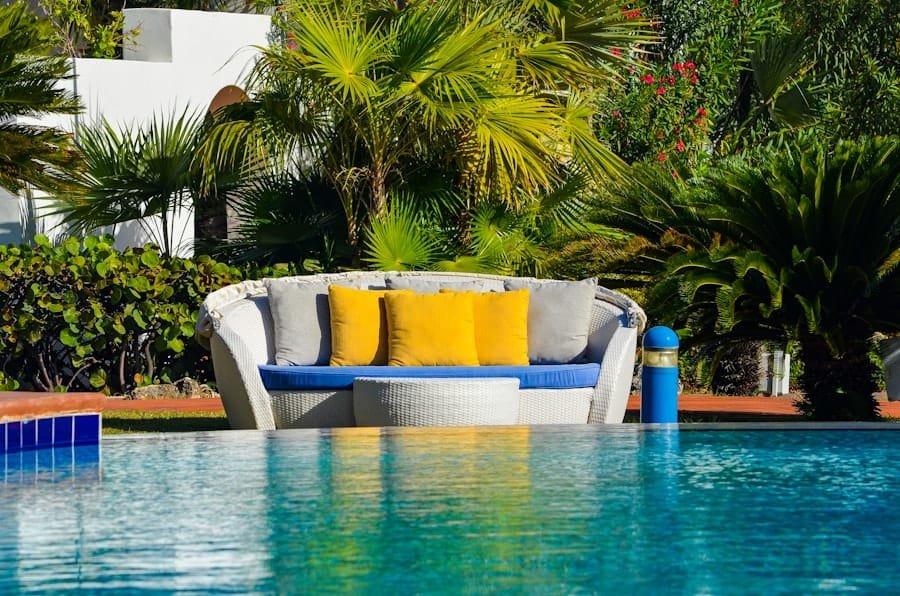
Now, let’s talk about the specific items you’ll need and how to arrange them effectively.
Seating Options
Variety is the spice of life, even poolside.
- Sun Loungers/Chaises: The quintessential poolside furniture. Look for adjustable backs for ultimate comfort, and consider wheels for easy repositioning. If space allows, two to four loungers are a good starting point.
- Armchairs/Club Chairs: Provide comfortable individual seating, great for conversation areas or pairing with side tables. Look for deep seating and plush cushions.
- Sectionals/Sofas: Ideal for creating a cozy lounge area. Modular sectionals offer flexibility to rearrange them as needed. Great for larger groups or family relaxation.
- Dining Chairs: If you plan to eat by the pool, comfortable dining chairs are a must. Look for stackable or foldable options if storage is an issue.
- Bistro Sets: Perfect for small spaces or creating a cozy spot for coffee or a cocktail. Usually includes two chairs and a small table.
- Bar Stools: If you have an outdoor bar or counter, bar stools are essential. Choose weather-resistant options that are comfortable for extended sitting.
Tables and Surfaces
Don’t forget places for drinks, snacks, and books.
- Side Tables: Absolutely essential for every seating area. Ensure they are sturdy enough to hold drinks and small items. Consider tables with built-in storage.
- Coffee Tables: Anchors for larger lounge areas. Choose a size proportionate to your seating.
- Dining Tables: If you’re planning meals, select a table that accommodates your usual number of guests comfortably. Extendable tables are great for flexibility.
- Bar Carts/Serving Carts: Practical for entertaining, allowing you to easily move drinks and snacks around the pool area.
Shade Solutions
Protection from the sun is non-negotiable for comfort and safety.
- Umbrellas (Market/Cantilever): Market umbrellas are the traditional center-pole design, great for dining tables. Cantilever umbrellas offer more flexible shade coverage as the pole is off to the side, allowing for unobstructed views and shading larger lounge areas. Ensure a heavy, stable base.
- Pergolas/Gazebos: Provide more permanent shade and can define a specific zone. They can be covered with fabric, climbing plants, or solid roofs.
- Sail Shades: A contemporary and flexible option. These triangular or square fabric shades can be stretched between anchor points, offering stylish and adaptable sun protection.
- Retractable Awnings: Attached to your house, these offer on-demand shade for patios directly adjacent to your home.
Storage and Accessories
Keep your pool area tidy and functional.
- Storage Boxes/Deck Boxes: Invaluable for stashing away cushions, towels, pool toys, and cleaning supplies. Look for waterproof or water-resistant options.
- Towel Racks/Hooks: Convenient for wet towels.
- Outdoor Rugs: Define zones, add warmth, and provide a softer underfoot experience. Ensure they are specifically designed for outdoor use and quick-drying.
- Outdoor Lighting: String lights, lanterns, solar-powered path lights, or even subtle landscape lighting can extend the usability of your pool area into the evening and enhance the ambiance.
- Outdoor Showers: A practical addition for rinsing off before and after swimming, keeping your pool cleaner and providing refreshing relief.
Sure, here is the sentence with the clickable link:
I love to relax in my backyard with beautiful Outdoor Furniture.
Design Principles for a Cohesive Look
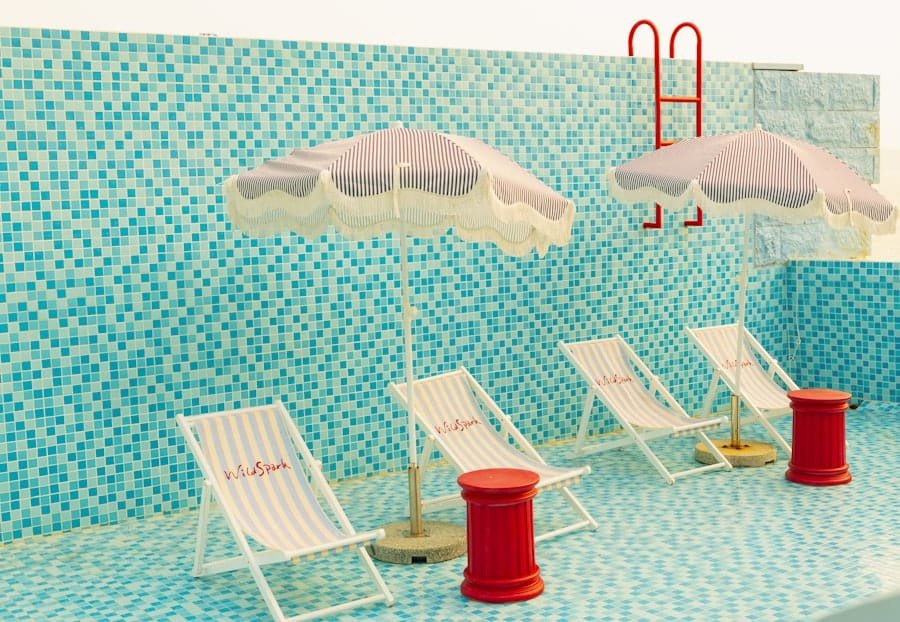
Beyond individual pieces, think about how everything comes together.
Defining Zones
Break down your poolside area into functional zones, just like you would indoors.
- Lounge Zone: Dedicated to relaxation and sunbathing. This is where your sun loungers, chaises, and perhaps a small side table or two would go.
- Conversation Zone: A more social area, perhaps with a sectional, armchairs, and a coffee table. This is ideal for pre-dinner drinks or casual chats.
- Dining Zone: If you plan to eat outdoors, a designated dining table and chairs are essential. Ensure it’s comfortably distanced from the pool to avoid splashing.
- Activity Zone: For families, this might be a small area for kids’ pool toys, games, or a shallow splash area.
- Shade Zone: A must for anyone wanting a break from the sun. This might overlap with other zones or be a distinct area with a large umbrella, pergola, or even a poolside cabana.
Color Palettes and Textures
These elements tie everything together and set the mood.
- Harmonize with Surroundings: Look at the colors of your house, landscaping, and pool coping. Do you want to blend in or create a striking contrast? Natural tones (greys, browns, whites, greens) always work well.
- Pops of Color: Use cushions, throw pillows, and accessories to introduce vibrant colors without committing to a bold furniture frame. This allows for easy seasonal changes.
- Texture Variety: Mix different textures for visual interest – smooth metals, woven wickers, plush fabrics, rough stone. This adds depth and character to the space.
- Consider the Water: The blue of the pool can be a powerful color. Choose complementary or contrasting colors that work with it. Cool tones often enhance the tranquil feel, while warm tones can add energy.
Scale and Proportion
Getting the size right is crucial for both aesthetics and functionality.
- Don’t Overcrowd: A common mistake is trying to fit too much furniture into a small space. Less is often more. Ensure there’s ample room to walk around and pull out chairs without bumping into things.
- Match Size to Space: Large, bulky sectionals can overwhelm a small patio, while tiny bistro sets might look lost on an expansive deck.
- Visual Weight: Consider the “heaviness” of the furniture. Dark, solid pieces have more visual weight than light-colored, open-weave designs. Balance heavier pieces with lighter ones.
- Traffic Flow: Always leave clear pathways between furniture pieces and around the pool. You don’t want guests tripping or having to squeeze past obstacles. A good rule of thumb is at least 3 feet for walkways.
When planning your ideal poolside furniture setup, it’s essential to consider not only the aesthetics but also the functionality and comfort of your outdoor space. For inspiration on selecting the right pieces, you might find it helpful to explore a related article that discusses various outdoor furniture collections. This resource can guide you in choosing the perfect items to complement your pool area. Check out this informative piece on outdoor furniture collections to enhance your design process.
Maintenance and Longevity
To ensure your poolside furniture lasts for years, a little TLC goes a long way.
Regular Cleaning
Prevention is always easier than cure.
- Wipe Downs: Regularly wipe down frames and tabletops with mild soap and water to remove dirt, sunscreen residue, and chlorine splashes.
- Cushion Care: Most outdoor cushion covers can be removed and machine washed (check manufacturer’s instructions). For non-removable covers, spot clean with a mild soap solution and a soft brush. Rinse thoroughly and allow to air dry completely to prevent mildew.
- Hose Off: Occasionally, give all your furniture a good rinse with a hose to remove dust and debris.
Protection from Elements
Even weather-resistant furniture benefits from a little extra protection.
- Furniture Covers: Invest in good quality, breathable furniture covers for off-season storage or during extended periods of bad weather. This protects against UV damage, dirt, and moisture.
- Store Cushions: If possible, bring cushions indoors or store them in a waterproof deck box when not in use, especially during heavy rain or the off-season.
- Bring Indoors for Winter: In areas with harsh winters, it’s best to store all outdoor furniture in a garage, shed, or basement to protect it from freezing temperatures, snow, and ice.
Addressing Specific Materials
Each material has its own specific care requirements.
- Teak and Other Hardwoods: If you want to maintain the honey-brown color, you’ll need to periodically clean and oil the wood (usually annually). If you prefer the silver-grey patina, simply clean it periodically.
- Wrought Iron: Inspect for rust spots annually. Sand down any rust and touch up with rust-inhibiting paint.
- HDPE Wicker/Recycled Plastic: Requires almost no maintenance beyond occasional washing with soap and water. It won’t fade, crack, or rot.
- Aluminum: Generally low maintenance, but avoid abrasive cleaners that can scratch the finish.
By considering these practical aspects from the outset, you’ll create a poolside furniture setup that not only looks fantastic but also stands the test of time and truly enhances your outdoor living experience. It’s about making informed choices that align with your lifestyle, environment, and budget, ensuring years of comfortable and enjoyable poolside moments.
FAQs
1. What are the key factors to consider when designing a poolside furniture setup?
When designing a poolside furniture setup, it is important to consider factors such as the available space, the climate and weather conditions, the desired style and aesthetic, and the functionality and comfort of the furniture.
2. What types of furniture are suitable for a poolside setup?
Suitable furniture for a poolside setup includes weather-resistant materials such as teak, aluminum, or synthetic wicker. Lounge chairs, umbrellas, side tables, and outdoor sofas are popular choices for poolside furniture.
3. How can I create a cohesive and stylish poolside furniture arrangement?
To create a cohesive and stylish poolside furniture arrangement, consider using a consistent color scheme, incorporating comfortable and durable cushions, and adding decorative elements such as outdoor rugs, throw pillows, and potted plants.
4. What are some tips for maintaining poolside furniture?
To maintain poolside furniture, regularly clean and protect the furniture from sun and water damage. Store cushions and pillows when not in use, and consider using furniture covers during inclement weather.
5. How can I enhance the overall poolside experience with furniture design?
Enhance the overall poolside experience with furniture design by creating designated areas for lounging, dining, and socializing. Incorporate features such as outdoor lighting, shade structures, and a variety of seating options to cater to different activities and preferences.