
When deciding on outdoor furniture, the big question often boils down to: foldable or fixed? The short answer is, it depends entirely on your space, how you plan to use it, and your storage capabilities. Foldable furniture offers ultimate flexibility and easy storage, while fixed pieces generally provide more stability, comfort, and a permanent aesthetic. Let’s break down the pros and cons of each to help you make an informed decision for your outdoor oasis.
Foldable outdoor furniture is a fantastic option for those who need adaptability. Think small balconies, temporary seating for gatherings, or spaces that serve multiple purposes.
Pros of Foldable Furniture
- Space-Saving: This is the big one. When not in use, foldable chairs, tables, and even lounges can be collapsed and stored away, freeing up valuable floor space.
- Easy Storage: Tucking them into a shed, garage, or even a closet is a breeze. This is particularly helpful in regions with harsh winters where furniture needs to be protected.
- Portability: Need extra seating for a BBQ at a friend’s house? Fold it up and take it with you. Planning a picnic in the park? A foldable table and chairs are your best friends.
- Versatility: You can easily reconfigure your outdoor space for different activities. Dining one day, lounging the next, and clear space for yard work the day after.
- Budget-Friendly Options: While not exclusively, many foldable options tend to be more affordable upfront, especially for basic sets.
Cons of Foldable Furniture
- Less Sturdy Feel: While many are built well, foldable pieces often have a slightly less robust feel compared to their fixed counterparts. This can sometimes lead to a perception of lower quality, even if the material is durable.
- Potential for Pinch Points: The folding mechanisms, while convenient, can sometimes be a minor hazard, especially for small children.
- Maintenance of Hinges and Locks: The moving parts require occasional lubrication or cleaning to ensure smooth operation and prevent rust, particularly in damp environments.
- Comfort Can Be Compromised: To facilitate folding, designs can sometimes sacrifice deep cushioning or ergonomic shapes. You might find yourself adding more pillows or cushions for extended use.
- Aesthetics Can Be Simpler: While stylish foldable options exist, the need for a folding mechanism can limit some design intricacies. They often have a more utilitarian or casual look.
When considering the best options for outdoor spaces, it’s essential to weigh the advantages and disadvantages of foldable versus fixed outdoor furniture. For a deeper understanding of this topic, you can explore a related article that delves into various styles and materials, helping you make an informed decision for your patio or garden. Check it out here: Outdoor Furniture Guide.
The Stability of Fixed Outdoor Furniture
Fixed outdoor furniture is about permanence and creating a dedicated, inviting outdoor living area. These pieces are designed to stay put, offering a solid and comfortable experience.
Pros of Fixed Furniture
- Enhanced Stability and Durability: Built with fewer moving parts, fixed furniture is generally more robust and can withstand more wear and tear. You won’t have to worry about wobbly tables or chairs.
- Superior Comfort: Without the constraints of folding mechanisms, fixed furniture can incorporate deeper cushions, more ergonomic designs, and larger proportions, leading to a more comfortable lounging or dining experience.
- Aesthetic Appeal and Design Variety: From intricate wicker weaves to sturdy metal frames and solid wood construction, fixed furniture offers a vast array of styles, finishes, and materials to perfectly match your home’s aesthetic. They often serve as focal points.
- Longevity: Due to their construction and often higher-quality materials, fixed pieces typically have a longer lifespan if properly maintained.
- Less Assembly (Sometimes): While some fixed pieces require assembly, many higher-end options arrive fully assembled or with minimal setup.
Cons of Fixed Furniture
- Requires Dedicated Space: Once placed, fixed furniture isn’t meant to be moved frequently. This means you need ample space that can be permanently dedicated to your outdoor setup.
- Difficult to Store: In climates with harsh winters or extreme weather, moving and storing fixed furniture can be a significant challenge due to its size and weight. This might mean investing in heavy-duty covers.
- Less Versatility: Reconfiguring your outdoor layout is much harder. If you decide you want to use the space for something else, moving heavy fixed pieces can be a real workout.
- Higher Upfront Cost: Generally, fixed furniture, especially well-made, comfortable pieces, comes with a higher price tag. This is due to the materials, construction, and design.
- Maintenance Can Be More Involved: While durable, large fixed pieces might require more effort for cleaning or protecting against the elements due to their size and weight.
Materials Matter: What Are They Made Of?
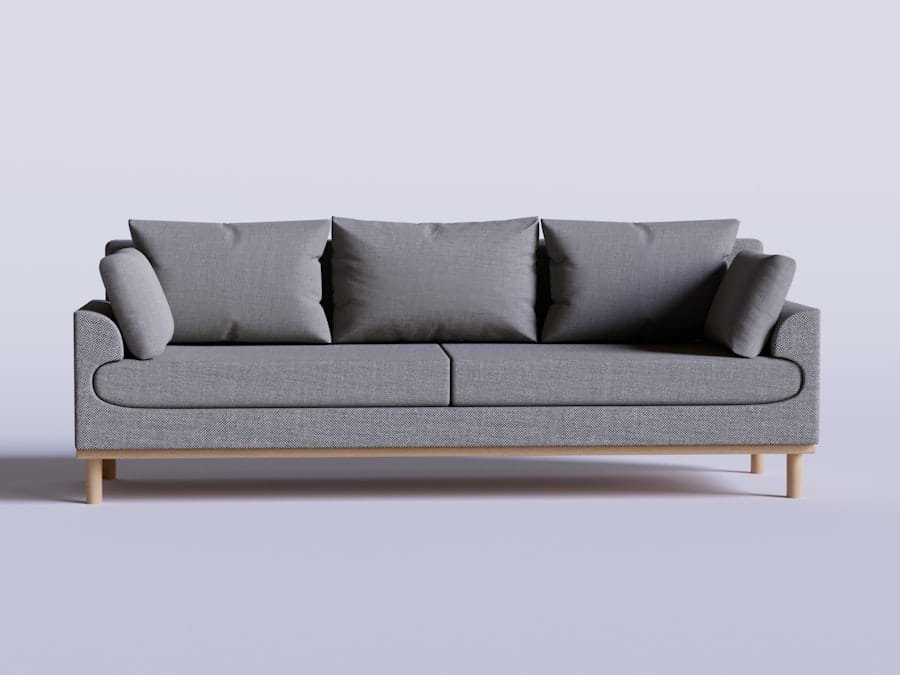
The material choice plays a huge role in both foldable and fixed furniture’s performance, look, and longevity. It’s not just about aesthetics; it’s about durability and maintenance.
Common Materials for Foldable Furniture
- Aluminum: Lightweight, rust-resistant, and relatively affordable. Ideal for portability.
- Steel: Stronger than aluminum but heavier and prone to rust if not properly coated. Often used for frames.
- Plastic/Resin: Very lightweight, weather-resistant, and inexpensive. Can sometimes feel less premium.
- Textilene/Sling Fabric: Often used for chair seats and backs. Dries quickly and is breathable.
Common Materials for Fixed Furniture
- Wicker (Synthetic & Natural): Synthetic (resin) wicker is very weather-resistant and durable. Natural wicker needs protection from the elements. Offers a classic, comfortable look.
- Teak/Hardwood: Naturally weather-resistant, beautiful, and extremely durable. Requires occasional oiling to maintain its rich color or can be left to weather to a silvery-grey patina.
- Cast Aluminum/Iron: Heavy, sturdy, and offers intricate designs. Cast aluminum is rust-resistant, while cast iron requires more maintenance to prevent rust.
- Stainless Steel: Modern, sleek, and highly resistant to rust. Can get hot in direct sun.
- Concrete/Stone: Extremely heavy and durable, often used for tables or built-in seating. Permanent and low maintenance, but very difficult to move.
Sure, here is the sentence with the clickable link:
I love to relax in my backyard with beautiful Outdoor Furniture.
Considering Your Space and Lifestyle
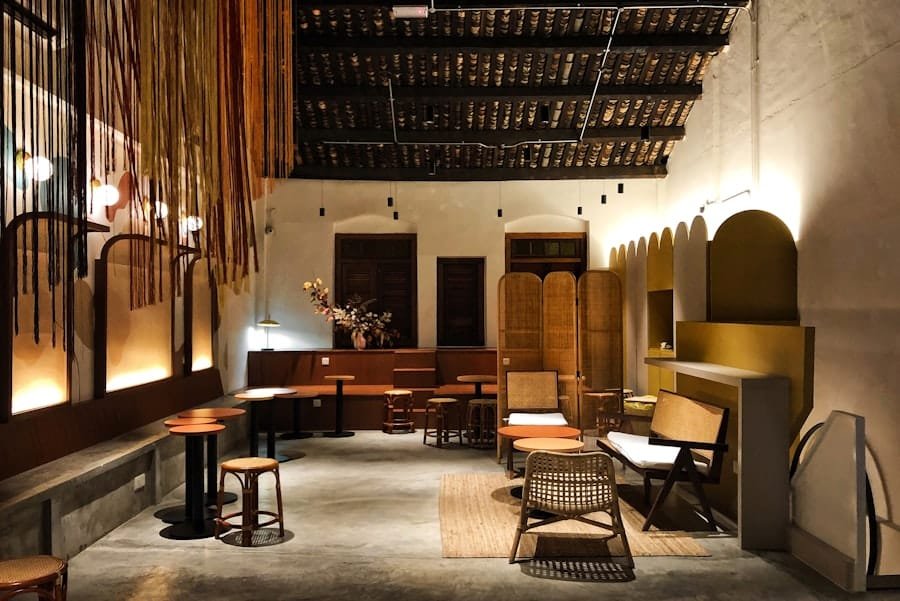
Your personal situation is the most crucial factor in this decision. There’s no one-size-fits-all answer.
Small Spaces and Occasional Use
If you have a compact balcony, a small patio, or only need extra seating for guests a few times a year, foldable furniture is likely your best bet. It allows you to maximize your space when the furniture isn’t in use and avoid clutter. Think bistro sets that fold flat or stackable chairs that can be brought out as needed.
Large Patios and Frequent Entertainment
For expansive patios, decks, or backyards where you plan to spend a lot of time lounging, dining, or entertaining regularly, fixed furniture offers the best experience. A large dining set, a comfortable sofa and armchair arrangement, or even a chaise lounge by the pool create an inviting, permanent outdoor living room. The comfort and durability will make a noticeable difference in your enjoyment.
Weather and Storage Considerations
- Harsh Winters/Wet Climates: If you live somewhere with heavy snow, strong winds, or prolonged rainy seasons, the ability to easily store furniture is a major advantage. Foldable furniture shines here. Even if you have fixed furniture, you’ll need robust covers, and potentially a storage solution for cushions.
- Mild Climates: In areas with year-round pleasant weather, storage is less of a concern. Here, the choice leans more towards aesthetic preference and comfort, making fixed furniture a strong contender. You might still want covers for protection from sun and occasional rain.
When considering the best options for outdoor furniture, many people find themselves weighing the benefits of foldable versus fixed pieces. Each type has its own unique advantages and disadvantages that can impact your outdoor experience. For those looking to explore more about enhancing their outdoor spaces, a related article discusses various styles and features of outdoor furniture that can elevate your enjoyment. You can read more about it in this insightful piece on elevating your outdoors.
Budget and Investment
Let’s talk about money. Outdoor furniture can be a significant investment, and understanding where your money goes is important.
Initial Cost vs. Long-Term Value
- Foldable: Generally, basic foldable sets tend to have a lower initial cost. This makes them attractive for those on a tighter budget or who only need temporary solutions. However, cheaper materials might mean a shorter lifespan, potentially leading to more frequent replacements. Investing in higher-quality foldable pieces can offer better longevity.
- Fixed: Fixed outdoor furniture, especially pieces made from premium materials like teak, quality wicker, or cast aluminum, often comes with a higher upfront price tag. However, this is usually an investment in durability, comfort, and longevity. Well-maintained fixed furniture can last for decades, providing excellent long-term value.
Maintenance Costs
Both types of furniture require some level of maintenance, but the nature of it can differ.
- Foldable: You might spend more on lubricants for hinges or replacing worn-out locking mechanisms. Cleaning is typically straightforward due to lighter materials.
- Fixed: For materials like wood (teak needs oiling), cast iron (rust prevention), or deep cushions (cleaning and protecting from mildew), maintenance can be more involved. Covers are an additional cost for fixed furniture that can’t be easily stored.
The Blended Approach: Getting the Best of Both Worlds
You don’t always have to choose one or the other. Many outdoor spaces benefit from a combination of both foldable and fixed pieces.
Combining for Functionality
Imagine having a permanent, comfortable fixed dining set as your outdoor hub, but keeping a few foldable chairs on hand for when extra guests arrive. Or, perhaps you have a large fixed sofa for lounging but use a small foldable bistro set on a separate, smaller patio for your morning coffee. This approach allows you to address different needs and activities within your outdoor space.
Strategic Placement
Place your fixed, heavier pieces in areas where you know they’ll be used consistently, like a main dining area or a dedicated lounging spot. Utilize foldable pieces for areas that require flexibility, such as a corner that occasionally becomes an overflow seating area or a small nook where you might want to read one day and clear out the next.
Ultimately, the decision between foldable and fixed outdoor furniture boils down to a clear understanding of your specific needs, your available space, your local climate, and your budget. Take the time to envision how you’ll use your outdoor area, and choose the furniture that best supports that vision, ensuring comfort, functionality, and lasting enjoyment.
FAQs
1. What are the pros of foldable outdoor furniture?
Foldable outdoor furniture is convenient for storage and transportation, making it ideal for those with limited space or for frequent movers. It is also versatile and can be easily moved around to accommodate different seating arrangements.
2. What are the cons of foldable outdoor furniture?
Foldable outdoor furniture may not be as sturdy as fixed furniture, and it may have a shorter lifespan due to the hinges and moving parts. Additionally, it may not offer the same level of comfort as fixed furniture.
3. What are the pros of fixed outdoor furniture?
Fixed outdoor furniture is typically more durable and long-lasting than foldable furniture. It also tends to offer greater comfort and stability, making it a better option for long-term use.
4. What are the cons of fixed outdoor furniture?
Fixed outdoor furniture can be more challenging to move and store, making it less suitable for those with limited space or those who frequently relocate. It may also require more maintenance and care to keep it in good condition.
5. Which type of outdoor furniture is best for me?
The best type of outdoor furniture for you will depend on your specific needs and preferences. Consider factors such as space limitations, frequency of use, desired comfort level, and maintenance requirements when making your decision.