
When you’re looking at outdoor furniture, the terms “wicker” and “rattan” get thrown around a lot, often interchangeably. But here’s the quick answer: they’re not the same thing. Rattan is a natural material – a type of vine. Wicker, on the other hand, is a weaving method. So, while you can have wicker furniture made from rattan, you can also have wicker furniture made from synthetic materials or other natural fibers. Understanding this basic distinction is key to making an informed choice for your patio or deck.
What is Rattan, Really?
Let’s start with rattan, as it’s the actual material. Think of rattan as a sturdy, vine-like plant that grows in tropical regions, mostly in Southeast Asia. It’s a bit like bamboo, but more flexible and durable.
The Plant Itself
Rattan is a climbing palm. It grows incredibly fast and can reach impressive lengths, sometimes hundreds of feet. The stalks are solid, unlike bamboo which is hollow. This solid core is what gives rattan its impressive strength and durability. When harvested, the outer skin is often peeled off, and the inner core is used for furniture frames and weaving.
Why Rattan is Used for Furniture
Its natural properties make it ideal for furniture. It’s lightweight yet incredibly strong, which means it can support a good amount of weight without being overly bulky. It’s also quite flexible when steamed, allowing craftsmen to bend and shape it into intricate designs for furniture frames. This natural flexibility is a big reason why rattan became such a popular choice for both indoor and outdoor pieces.
Rattan’s Natural Appearance
Naturally, rattan has an earthy, woody look. Its color can range from a light blonde or yellow to a deeper brown, depending on the specific type of rattan and how it’s processed. You’ll often see variations in its texture too, which adds to its natural charm. It’s a material that brings a touch of the natural world to your living space, whether indoors or out.
If you’re interested in learning more about enhancing your outdoor space, you might find the article “Elevate Your Outdoors with BT Mart” particularly useful. It offers insights into various outdoor furniture options and how to choose the best pieces for your needs. You can read it here: Elevate Your Outdoors with BT Mart. This complements the discussion on Wicker vs Rattan Outdoor Furniture by providing additional context on selecting stylish and functional outdoor furnishings.
Decoding the Wicker Weave
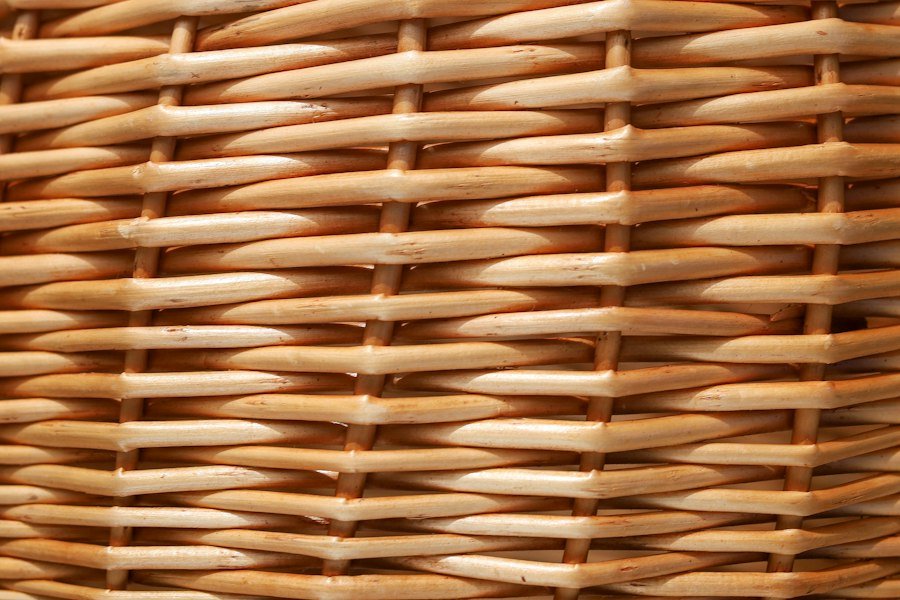
Now for wicker. As mentioned, wicker isn’t a material; it’s a technique. Specifically, it’s an ancient weaving method used to create baskets, furniture, and other items from various pliable materials.
The Art of Weaving
Imagine interlacing strands of material to create a strong, stable, and often open-weave pattern. That’s essentially what wicker is. This technique has been around for thousands of years, with evidence of its use in ancient Egypt. The goal is to create a sturdy structure that’s also aesthetically pleasing, often with a breathable quality.
Materials Used in Wicker
This is where the confusion often comes in. While rattan is a common material used in wicker furniture, it’s not the only one. Here are some other materials you might find:
- Natural Rattan: The classic choice. It’s durable and beautiful, but as a natural material, it has its limitations for outdoor exposure.
- Reed: Similar to rattan but typically less durable. It’s often used for smaller, lighter pieces or decorative elements.
- Willow: Known for its flexibility, willow is often used for intricate wicker patterns, particularly in traditional European styles.
- Bamboo: While bamboo can be used, it’s less common for true wicker weaving as its hollow nature makes it less flexible for tight bends. It’s more often seen in furniture made from individual bamboo stalks.
- Sea Grass/Rush: These softer fibers create a more casual, rustic look and feel. They are usually woven over a more rigid frame.
- Synthetic Wicker (Resin Wicker/All-Weather Wicker/PE Rattan): This is the game-changer for outdoor furniture. Made from synthetic fibers, usually polyethylene (PE), it’s designed to mimic the look of natural rattan but with superior weather resistance. This is what you’ll find in most modern outdoor “wicker” sets.
The Look of Wicker
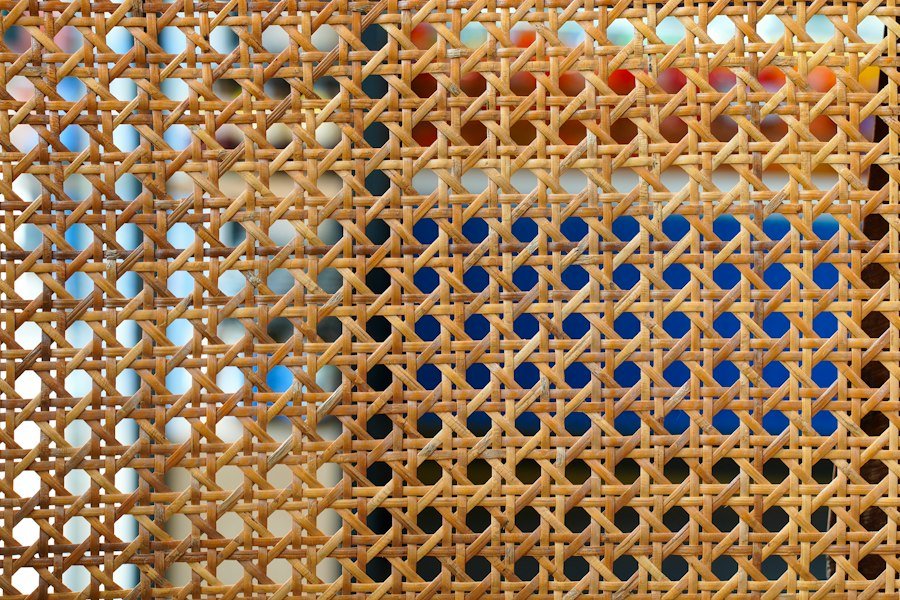
Regardless of the material, wicker weaving creates a distinct aesthetic. It often has an open, basket-like appearance, which can range from very tight and dense weaves to more open and airy patterns. This creates a textured, often casual, yet sophisticated look that many people love for outdoor settings.
Durability and Weather Resistance: Outdoor Considerations
This is where the choice between natural rattan wicker and synthetic wicker truly matters, especially for outdoor use. Your climate and how much exposure your furniture will get are key factors.
Natural Rattan Outdoors
While beautiful, natural rattan has its limitations outdoors. Think of it like any other natural wood or fiber.
- Moisture: Rattan can absorb water. Prolonged exposure to rain and humidity can lead to mildew, mold, fading, and eventually, deterioration. It can also swell and contract, causing structural weaknesses.
- UV Rays: The sun’s ultraviolet rays are also a big enemy. They can dry out the rattan fibers, making them brittle, and cause the color to fade significantly over time.
- Temperature Fluctuations: Extreme heat or cold, especially with rapid changes, can stress the material.
- Best Use for Natural Rattan: If you love the look of natural rattan, it’s best suited for covered outdoor areas like screened porches, sunrooms, or patios that are consistently protected from direct rain and harsh sun. Even then, covering it during the off-season is a good idea.
Synthetic Wicker (Resin Wicker) Outdoors
This is where synthetic wicker truly shines. It was specifically engineered to address the weaknesses of natural fibers in outdoor environments.
- Water Resistance: Good quality synthetic wicker (often PE or HDPE resin) is highly water-resistant. It doesn’t absorb moisture, so it won’t mold, mildew, or rot.
- UV Resistance: Reputable synthetic wicker includes UV inhibitors in its manufacturing process. This significantly slows down fading and brittleness caused by sun exposure, though no material is entirely immune to years of intense UV.
- Temperature Stability: It holds up much better to temperature fluctuations than natural materials, making it suitable for a wider range of climates.
- Maintenance: It’s generally very low maintenance, usually just needing a wipe-down with mild soap and water.
- Best Use for Synthetic Wicker: This is your go-to for uncovered patios, poolside areas, or any outdoor space that gets direct sun and rain. It’s built to withstand the elements.
Understanding the “All-Weather” Claim
When you see “all-weather wicker,” it almost always refers to synthetic wicker. It’s a key indicator that the material is designed for full outdoor exposure without significant protection. Always look for high-density polyethylene (HDPE) as it’s generally considered the most durable and color-fast type of synthetic wicker. Cheaper PVC-based synthetic wickers can become brittle and crack more quickly.
If you’re looking to enhance your garden space, consider investing in Outdoor Furniture that combines style and durability. The right Outdoor Furniture can transform your patio into a cozy retreat. Explore a wide range of Outdoor Furniture options to suit your style and budget.
Comfort, Style, and Aesthetics
Beyond durability, how furniture feels and looks is a huge part of the decision-making process. Both rattan and wicker (in its various forms) offer distinct qualities here.
The Feel of Rattan and Wicker
- Natural Rattan: Rattan furniture often has a slightly more rigid feel than fully upholstered pieces, but its inherent flexibility still provides some give. It’s typically paired with cushions for comfort, especially on seats and backs. The natural texture of the rattan itself can be quite pleasant to touch, feeling organic and warm.
- Synthetic Wicker: Modern synthetic wicker, especially good quality versions, can feel very smooth and comfortable. It’s usually woven over an aluminum frame, which is lightweight and rust-resistant. Like natural rattan, comfort is heavily reliant on the quality and thickness of the accompanying cushions.
Aesthetic Appeal
Both have a distinct charm, but with subtle differences that can influence your overall outdoor decor.
- Natural Rattan: It evokes a sense of tropical elegance, a boho-chic vibe, or a classic conservatory feel. The natural variations in color and texture give it an authentic, organic look. It pairs beautifully with natural linens, cottons, and earthy tones. It tends to look a bit more “traditional” or “beachy.”
- Synthetic Wicker: Because it can be made in various colors and finishes, synthetic wicker offers a broader range of styles. It can mimic natural rattan almost perfectly, or it can be sleek and modern with darker weaves and contemporary lines. It’s versatile enough to fit into almost any outdoor design scheme, from rustic to ultra-modern. The consistency in its weave and color can give it a more refined, uniform appearance compared to natural rattan.
Design Versatility
The weaving technique of wicker, combined with the material used, opens up a lot of design possibilities.
- Intricate Patterns: The flexibility of both rattan and synthetic strands allows for complex and beautiful weave patterns, adding visual interest to the furniture. This can range from tight, basket-like weaves to more open, airy designs.
- Frame Materials: Natural rattan furniture uses rattan itself for the frame. Synthetic wicker, on the other hand, is almost always woven over a metal frame, most commonly powder-coated aluminum. Aluminum frames are fantastic for outdoor furniture because they are lightweight, strong, and rust-resistant. This combination contributes significantly to the longevity of synthetic wicker pieces.
When exploring the differences between wicker and rattan outdoor furniture, it’s also beneficial to consider how various materials can withstand environmental challenges. For instance, an insightful article discusses the floodproof innovations in outdoor furniture, highlighting the resilience of BT Mart’s offerings. This can provide a broader perspective on choosing durable outdoor furniture that not only looks great but also stands the test of time. You can read more about these innovations in outdoor furniture by visiting this article.
Cost and Maintenance Expectations
Finally, let’s talk about the practicalities of owning either type of furniture: your wallet and your time.
Price Points
The cost can vary quite a bit, depending on the material, brand, and craftsmanship.
- Natural Rattan: Good quality natural rattan furniture, especially if it’s hand-woven and uses durable rattan poles for the frame, can be a significant investment. However, if it’s more decorative or lighter-duty, it might be less expensive. The price often reflects the artistry and the natural material itself.
- Synthetic Wicker: This is where you’ll find the widest price range.
- Budget-Friendly: You can find very inexpensive synthetic wicker sets, but be cautious. These often use cheaper PVC plastic that cracks easily, thinner weaves, and less durable frames (sometimes steel that rusts).
- Mid-Range to High-End: Higher quality synthetic wicker made with HDPE, a robust aluminum frame, and quality cushions will be a substantial investment. These pieces are designed to last for many years outdoors and are priced accordingly. Often, the price of quality synthetic wicker can be comparable to, or even exceed, that of good natural rattan, reflecting its superior outdoor performance.
Required Maintenance
This is a major differentiator, especially for outdoor use.
- Natural Rattan:
- Cleaning: Needs regular dusting and occasional wiping with a damp cloth. Avoid harsh chemicals.
- Protection: Crucial for outdoor use. It needs to be covered or moved indoors during rain, heavy sun, and off-season. Applying a protective finish or sealant annually can help extend its life, but it still won’t make it truly “all-weather.”
- Moisture Control: If it gets wet, it needs to dry out completely and quickly to prevent mold and mildew.
- Reshaping: In some cases, natural rattan can sag or lose shape over time and may require steaming to regain its form.
- Synthetic Wicker:
- Cleaning: Very low maintenance. A simple wash with mild soap and water, perhaps with a soft brush, is usually all that’s needed to remove dirt and grime. Rinse thoroughly.
- Protection: While “all-weather,” covering it during the harshest off-season (extreme snow, ice, or prolonged intense sun) can help prolong its lifespan and keep it looking new. It’s not strictly necessary for daily protection from rain and sun, though.
- UV Care: Even with UV inhibitors, occasionally using a UV protectant spray designed for plastics can further extend its color retention and flexibility.
- Frame Check: Periodically check the aluminum frame for any scratches or dings that could expose the metal, although aluminum won’t rust.
In summary, choosing between natural rattan (a material used in wicker) and synthetic wicker (a weave made from man-made materials) comes down to where you’re placing the furniture, how much upkeep you’re willing to do, and your budget. For true, exposed outdoor living, synthetic wicker is almost always the practical choice. For covered spaces, or if you simply adore the natural, organic look, natural rattan can be a beautiful option, provided you’re prepared for the care it requires.