
When it comes to furnishing your outdoor space, the big question is usually: can my furniture really stand up to the elements? The short answer is yes, absolutely! But it’s not a one-size-fits-all solution. “Weatherproof” isn’t a magical force field; it’s a combination of materials, construction, and a little bit of smart maintenance. Understanding what makes furniture truly resilient is key to making a good investment that lasts through sun, rain, and everything in between. Let’s dive into what you really need to know to pick out outdoor furniture that won’t give up on you after just one season.
Understanding “Weatherproof” vs. “Weather-Resistant”
It’s easy to get these terms mixed up, and retailers often use them interchangeably, which can be misleading. But there’s a practical difference that impacts how long your furniture will look good and perform well outdoors.
The Practical Difference
“Weather-resistant” usually means the material can tolerate some exposure to the elements without immediate damage. Think of it like a water-resistant watch – it’s fine for splashes, but don’t take it diving. These materials might fade in direct sunlight, absorb some moisture, or develop surface rust if left out consistently in harsh conditions. They offer a baseline of durability but aren’t designed for year-round, unprotected exposure. You’ll likely need to cover or store these items during extended periods of bad weather.
“Weatherproof,” on the other hand, implies a higher level of durability. Furniture marketed as truly weatherproof is designed to withstand prolonged exposure to various weather conditions – sun, rain, wind, and even some temperature fluctuations – without significant degradation. This usually means the materials themselves are inherently non-corrosive, UV-stabilized, and non-porous. It doesn’t mean it’s indestructible, but it’s built to stay outdoors for the long haul with minimal intervention beyond routine cleaning.
Why This Distinction Matters for Your Investment
Knowing the difference helps you set realistic expectations and protects your investment. If you buy “weather-resistant” furniture expecting it to last uncovered through a brutal winter, you’ll likely be disappointed. You’ll end up with faded cushions, warped wood, or rusty frames. Investing in truly “weatherproof” items, while often costing more upfront, saves you money and hassle in the long run by reducing the need for constant maintenance, replacements, or expensive storage solutions. It’s about matching the furniture’s capabilities with your local climate and your willingness to maintain it.
If you’re considering investing in weatherproof outdoor furniture, you might find it helpful to read a related article that delves deeper into the various materials and maintenance tips for outdoor furnishings. This article provides valuable insights on how to choose the right furniture for your outdoor space, ensuring durability and style. For more information, check out this comprehensive guide on outdoor furniture at https://outdoorfurniture.gsprefab.com/.
Top Weatherproof Materials and Their Real-World Performance
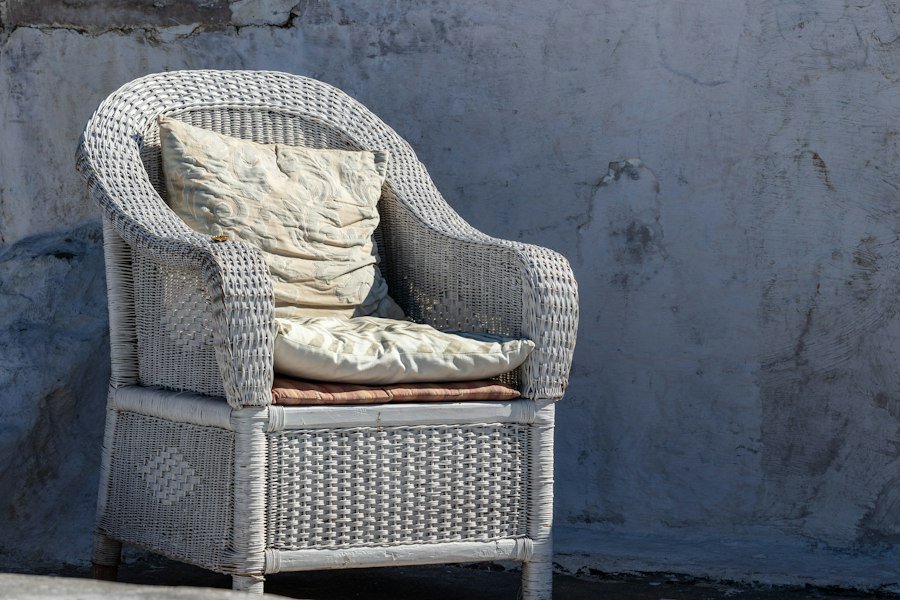
When you’re shopping, the material is the first thing to scrutinize. Different materials excel in different areas, and understanding their strengths and weaknesses in real-world weather conditions is crucial.
1. High-Density Polyethylene (HDPE) Wicker
Often referred to as “all-weather wicker” or “resin wicker,” HDPE is a synthetic material designed to mimic the look of natural wicker but with vastly superior weather resistance. It’s constructed from high-density polyethylene fibers woven over an aluminum frame.
- Sun: Excellent UV resistance. HDPE is typically UV-stabilized during manufacturing, meaning it won’t easily fade, crack, or become brittle under prolonged sun exposure.
- Rain/Moisture: Completely non-porous and water-resistant. It won’t absorb water, swell, or develop mold or mildew on the material itself. The open weave allows for quick drying.
- Temperature Extremes: Good performance across a range of temperatures. It won’t become brittle in cold or sag in heat.
- Real-World Takeaway: HDPE wicker is one of the most reliable options for diverse climates. It’s low maintenance, easy to clean, and holds up well year-round. Ensure the frame underneath is rust-proof aluminum, as steel frames can still rust and degrade the overall piece.
2. Powder-Coated Aluminum
Aluminum is a popular choice for outdoor furniture frames due to its inherent properties. When powder-coated, its durability is significantly enhanced.
- Sun: The powder coating itself offers some UV protection, preventing the aluminum from dulling. The aluminum itself is unaffected by UV.
- Rain/Moisture: Aluminum does not rust, which is its biggest advantage over steel. The powder coating provides an extra barrier against moisture and scratches, preventing oxidation or pitting.
- Temperature Extremes: Performs well. Aluminum expands and contracts minimally with temperature changes.
- Real-World Takeaway: Aluminum frames are lightweight, rust-proof, and relatively low maintenance. The key is the quality of the powder coating. A cheap, thin coating can chip or scratch, exposing the aluminum and potentially leading to a dull finish over time. Look for multi-layer coatings or marine-grade finishes for best results.
3. Teak Wood
Teak is the gold standard for natural outdoor wood furniture, renowned for its incredible durability and beautiful aging process.
- Sun: Highly resistant to UV rays. It naturally weathers to a soft, silvery-gray patina over time. This change is purely cosmetic and doesn’t affect its structural integrity.
- Rain/Moisture: Teak has a high oil content and tight grain, making it naturally resistant to water absorption, rot, and decay. It’s also resistant to insect infestation.
- Temperature Extremes: Very stable. It won’t crack or warp easily due to temperature fluctuations.
- Real-World Takeaway: Teak is a fantastic choice if you appreciate its natural aging. If you prefer to maintain its original honey-brown color, you’ll need to apply a teak sealer annually. Otherwise, it’s virtually maintenance-free beyond occasional cleaning. Be aware that genuine, sustainably sourced teak is a premium product and priced accordingly. Look for FSC-certified teak.
4. Marine-Grade Polymer (e.g., POLYWOOD)
This category includes furniture made from recycled plastics, often resembling painted wood. It’s a very robust option.
- Sun: Excellent UV resistance. These materials are heavily stabilized against UV degradation, meaning they resist fading, cracking, and chalking exceptionally well.
- Rain/Moisture: Completely impervious to water. It won’t absorb moisture, rot, or support mold and mildew growth.
- Temperature Extremes: Highly durable across extreme temperatures, from freezing cold to intense heat. It won’t warp, crack, or splinter.
- Real-World Takeaway: Marine-grade polymer furniture is virtually maintenance-free, incredibly durable, and often quite heavy, which is a bonus in windy conditions. It’s available in many colors that stay vibrant. It can sometimes feel less “natural” than wood or wicker, but its longevity is unmatched.
5. Stainless Steel (Specific Grades)
While not as common for entire furniture sets due to weight and cost, stainless steel is often used for hardware, accents, or specific pieces.
- Sun: Unaffected by UV rays.
- Rain/Moisture: This is where the “specific grades” comes in. Not all stainless steel is created equal for outdoor use.
- 304 Grade: Common, but can still develop “tea staining” (surface rust) in coastal areas or highly corrosive environments.
- 316 Marine Grade: Contains molybdenum, offering superior resistance to salt spray and corrosion, making it ideal for coastal or harsh environments.
- Temperature Extremes: Extremely durable and stable.
- Real-World Takeaway: If you’re considering stainless steel, always confirm it’s 316 marine-grade, especially near the ocean. Otherwise, you’ll be constantly cleaning surface rust. It’s heavy and typically more expensive.
6. Concrete (Glass Fiber Reinforced Concrete – GFRC)
Modern outdoor furniture sometimes features GFRC, which is lighter and more durable than traditional concrete.
- Sun: Highly resistant to UV and fading.
- Rain/Moisture: Very dense and non-porous, making it water-resistant and unlikely to crack from freeze-thaw cycles if properly sealed.
- Temperature Extremes: Excellent performance in varying temperatures.
- Real-World Takeaway: GFRC is very heavy and provides a contemporary, industrial aesthetic. While extremely durable, it can be prone to chipping if struck hard and might require periodic sealing to maintain its finish and water resistance.
The Often-Overlooked Components: Cushions and Hardware
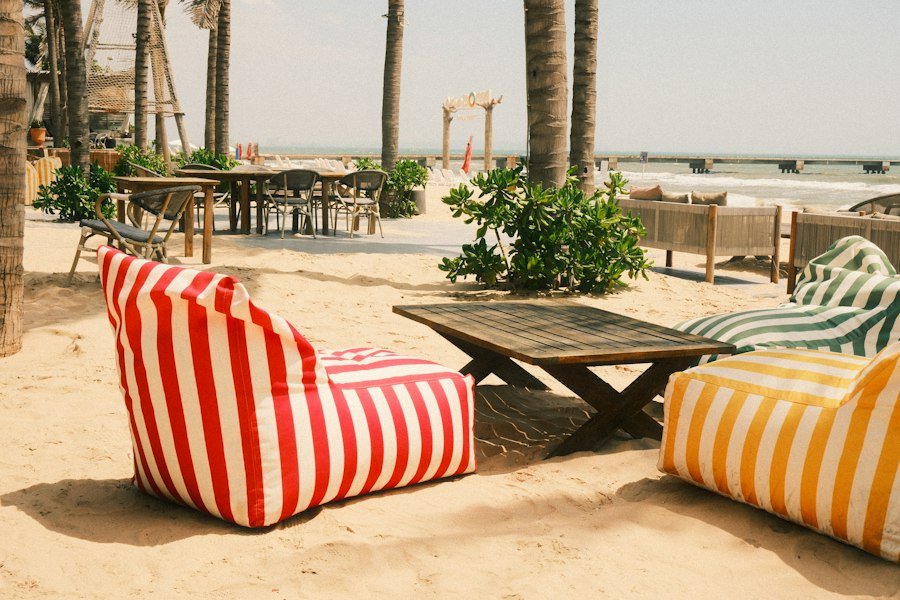
It’s not just the frame that needs to be weatherproof. The soft goods and fasteners are equally important, often being the first parts to fail if not chosen wisely.
Cushions and Fabric Longevity
Even the most durable frame is useless if your cushions disintegrate after one summer. Look for fabrics specifically designed for outdoor use.
- Solution-Dyed Acrylic (e.g., Sunbrella, Outdura): These are the gold standard. The fibers are dyed before they’re woven, meaning the color goes all the way through the material. This makes them incredibly resistant to fading from UV exposure. They are also highly resistant to mildew, stains, and water, usually treated with a water-repellent finish.
- Olefin/Polypropylene: A more budget-friendly option than acrylic, but still a good choice. It’s resistant to moisture, mildew, and fading, though generally not quite as robust or long-lasting in direct sun as solution-dyed acrylics.
- Polyester (with treatments): Basic polyester isn’t great for prolonged outdoor exposure as it fades quickly. However, polyester that has been specifically treated with UV stabilizers and water-repellent coatings can offer decent performance for a season or two, but it won’t have the longevity of acrylics or olefins.
Beyond the fabric, check the fill material. Open-cell foam allows water to drain through quickly, preventing mold and mildew inside the cushion. Some higher-end cushions use a quick-dry foam or even reticulated foam. Closed-cell foam, while waterproof, can make cushions less comfortable and breathable.
Hardware and Fasteners
The screws, bolts, and other connectors holding your furniture together are often forgotten until they start rusting.
- Stainless Steel (304 or 316 grade): This is the minimum you should accept for outdoor furniture hardware. As discussed, 316 marine-grade is superior, especially in coastal areas, preventing unsightly rust streaks and structural failure.
- Galvanized Steel: While galvanized steel offers some rust resistance, it’s generally not as durable as stainless steel for long-term outdoor exposure, especially where the zinc coating might be scratched or worn.
- Aluminum: Less common for fasteners, but if used, it should be a high-grade alloy.
Always inspect the hardware before purchasing. Rusty hardware is a clear sign of poor quality and will significantly shorten the lifespan of your furniture, regardless of the frame material.
If you’re looking to enhance your garden or patio, consider investing in quality Outdoor Furniture. The right Outdoor Furniture can transform your outdoor space into a comfortable and stylish retreat. Explore a wide range of Outdoor Furniture options to suit your taste and budget.
Maintenance and Care for Lasting Durability
Even the most “weatherproof” furniture benefits from a little TLC. Proper care extends its lifespan, keeps it looking good, and protects your investment.
Regular Cleaning Routine
Simple, routine cleaning is your first line of defense against grime, mildew, and general wear.
- Dusting and Wiping: Regularly wipe down frames with a damp cloth to remove dust, pollen, and environmental buildup.
- Mild Soap and Water: For most materials (HDPE, aluminum, marine-grade polymer, teak), a solution of mild dish soap and warm water with a soft brush or cloth is sufficient. Rinse thoroughly to remove all soap residue, which can attract dirt.
- Fabric Cleaning: For solution-dyed acrylics, spot clean with a mild soap solution. For deeper cleaning, specialized fabric cleaners are available, or follow the manufacturer’s specific instructions. Ensure cushions are completely dry before storing or covering to prevent mildew.
Protecting Against Extreme Conditions
While “weatherproof” means it can take a beating, mitigating extremes will still help.
- Covers: High-quality furniture covers (waterproof, breathable, and UV-resistant) are an excellent investment, especially during off-seasons or extended periods of bad weather. They protect against heavy rain, snow, harsh sun, and pollen.
- Storage: If feasible, storing cushions or even entire pieces in a garage or shed during winter or severe storms will significantly prolong their life.
- Relocation: If you live in an area with hurricane season or very strong winds, consider temporarily moving lighter pieces to a sheltered area to prevent them from becoming projectiles.
Addressing Specific Material Needs
Each material has its own quirks for optimal care.
- Teak: If you want to maintain the original golden-brown color, you’ll need to clean it and apply a teak sealer or oil annually. If you prefer the silvery patina, just clean it periodically. Avoid pressure washing, which can damage the soft fibers.
- Powder-Coated Aluminum: Be careful not to use abrasive cleaners or scrub brushes that can scratch the coating, exposing the aluminum beneath. Waxing occasionally can add a layer of protection.
- HDPE Wicker: Avoid harsh chemicals or solvents that can degrade the plastic. A simple hose-down and wipe are usually enough.
- Marine-Grade Polymer: Extremely low maintenance. A hose and scrub brush will usually take care of any dirt or grime. For stubborn stains, a magic eraser can work wonders.
When considering Weatherproof Outdoor Furniture, it’s essential to explore various options that can enhance your outdoor experience. One related article that provides valuable insights is available at Elevate Your Outdoors with BT Mart, which discusses innovative designs and materials that not only withstand the elements but also add style to your patio or garden. This resource can help you make informed decisions about the best furniture choices for your outdoor space.
What to Look for When Buying: Practical Tips
Beyond materials, there are other practical considerations that signal quality and help you make a smart purchase.
Construction and Frame Integrity
A truly weatherproof piece isn’t just about the material; it’s about how it’s put together.
- Welds: For metal frames (aluminum, steel), look for full-circumference welds, not just spot welds. Fully welded joints are stronger and less likely to break or rust at the seams.
- Hardware: As mentioned, insist on stainless steel hardware. Check that bolts and screws are securely fastened and recessed if possible to prevent snagging.
- Stability: Test the furniture. Does it wobble? Does it feel solid? A well-constructed piece will feel sturdy and balanced, not flimsy.
- Weight: While lightweight aluminum is great for moving, too light can mean it’s easily blown away. Consider if the piece has enough heft for your climate. Some pieces include internal weighting.
Warranty and Retailer Reputation
A strong warranty is a good indicator of a manufacturer’s confidence in their product’s durability.
- Length and Coverage: Look for warranties that cover structural defects, rust (for rust-proof materials), and fading (for UV-resistant fabrics) for at least 3-5 years, or even longer for premium materials like marine-grade polymer (often 20+ years). Understand what voids the warranty (e.g., improper cleaning, failure to cover).
- Fabric Warranty: Many fabric brands like Sunbrella offer their own extended warranties (often 5-10 years) against fading and degradation. Confirm these are honored.
- Retailer Support: Choose a reputable retailer with good customer service. They will be more likely to assist you if an issue arises with your furniture or its warranty claim. Check reviews for their post-purchase support.
Comfort and Ergonomics
Durability is key, but if the furniture isn’t comfortable, you won’t use it.
- Test It Out: Whenever possible, sit in the furniture before buying. Pay attention to seat depth, back height, and armrest position.
- Cushion Quality: Assess the thickness, firmness, and return of the cushions. If they flatten immediately or feel too soft, they won’t last or be comfortable.
- Ergonomics: Does the furniture support good posture? Is it easy to get in and out of? Comfort varies greatly by individual, so personal testing is crucial.
Making informed decisions about weatherproof outdoor furniture means looking beyond the pretty pictures. It’s about understanding the materials, scrutinizing the construction, and being realistic about maintenance. By focusing on these practical aspects, you can create an outdoor living space that genuinely lasts and looks great for years, no matter what the weather throws at it.
FAQs
What materials are commonly used for weatherproof outdoor furniture?
Common materials for weatherproof outdoor furniture include aluminum, teak, resin wicker, and high-density polyethylene (HDPE). These materials are designed to withstand various weather conditions, including rain, sun, and snow, while maintaining their appearance and structural integrity.
How can I maintain my weatherproof outdoor furniture?
To maintain weatherproof outdoor furniture, regularly clean it with mild soap and water to remove dirt and debris. For specific materials, such as teak, applying a protective sealant can help preserve its color and prevent weathering. Additionally, storing furniture in a dry place during extreme weather can extend its lifespan.
Is weatherproof outdoor furniture truly waterproof?
While weatherproof outdoor furniture is designed to resist moisture and withstand various weather conditions, it is not always completely waterproof. Some materials may absorb water over time if not properly maintained. It’s important to check the manufacturer’s specifications for water resistance and care instructions.
Can I leave my weatherproof outdoor furniture outside year-round?
Most weatherproof outdoor furniture is designed to be left outside year-round; however, extreme weather conditions, such as heavy snow or prolonged exposure to intense sunlight, can still affect its longevity. Using protective covers during harsh weather can help protect the furniture and prolong its life.
What should I consider when choosing weatherproof outdoor furniture?
When choosing weatherproof outdoor furniture, consider factors such as material durability, maintenance requirements, comfort, and style. Additionally, evaluate the furniture’s resistance to UV rays, moisture, and temperature fluctuations to ensure it meets your specific outdoor needs.