
So, you’re looking to spruce up your outdoor space, huh? Choosing the right outdoor furniture can feel a bit overwhelming with all the options out there. But don’t sweat it. The quickest answer to picking the perfect outdoor furniture is to prioritize durability for your climate, comfort for how you’ll use it, and style that complements your home, all within your budget. Think of it as an investment in your relaxation. We’re going to break down how to make smart choices that you’ll love for years to come.
1. Start with Self-Reflection: Your Space, Your Needs, Your Vibe
Before you even think about browsing furniture, take a good, hard look at your outdoor area and consider how you genuinely want to use it. This isn’t just about what looks good; it’s about what will genuinely enhance your life.
1.1 What’s Your Outdoor Space’s Purpose?
Seriously, what’s the plan for this space? Are you envisioning lazy weekend brunches, lively evening gatherings, or a quiet spot for your morning coffee and a good book?
- Dining: If regular outdoor meals are on the agenda, a sturdy dining set with comfortable chairs is a must. Think about how many people you typically host. A four-seater might be perfect for a small family, while a larger extendable table could be ideal for entertaining.
- Lounge & Relax: For unwinding, think plush sofas, deep-seated armchairs, and maybe an ottoman or two. The goal here is comfort, so test out different seating depths and cushion firmness. Chaise lounges are great for sunbathing or just kicking back with a cold drink.
- Conversation: If you want to encourage chats, a modular sectional or a cluster of individual chairs arranged around a coffee table can create an inviting atmosphere. This setup allows people to face each other and engage easily.
- Work/Study: Believe it or not, some people enjoy working outdoors. A small, durable bistro table and chair could be perfect for a laptop and a cup of tea. Just remember to consider glare and shade.
- Multi-purpose: Many spaces need to serve multiple functions. Maybe a dining set with a bench on one side for more casual seating, or a lounge set that can be reconfigured for smaller gatherings or solo relaxation.
1.2 How Much Space Do You Really Have?
This might seem obvious, but it’s crucial. Pull out that measuring tape. You don’t want to overcrowd a small patio or leave a large deck feeling sparse.
- Measure Everything: Get accurate measurements of your patio, deck, balcony, or yard area. Factor in walkways, doors, and any permanent fixtures like grills or planters.
- Consider Flow: Leave enough room for people to comfortably walk around the furniture, pull chairs out from tables, and move freely. A good rule of thumb is at least 24-30 inches of clearance around dining tables and between furniture pieces.
- Visualise: Use painter’s tape or even cardboard cutouts on the ground to map out where furniture pieces might go. This helps you get a sense of scale and flow before committing to a purchase.
- Storage: Think about off-season storage. If you don’t have much room for storing large items, you might lean towards furniture that folds, stacks, or is durable enough to stay out year-round.
1.3 What’s Your Home’s Style?
Your outdoor furniture should feel like a natural extension of your indoor aesthetic, not an afterthought.
- Modern/Contemporary: Look for clean lines, minimalist designs, and materials like powder-coated aluminum, stainless steel, or sleek synthetics.
- Rustic/Farmhouse: Wood (teak, acacia), wrought iron, and distressed finishes fit well here. Think comfortable, slightly oversized pieces.
- Traditional: Classic shapes, intricate details, and materials like wrought iron, cast aluminum, or traditional wicker.
- Bohemian/Eclectic: Mix and match textures and materials. Rattan, macrame details, colorful cushions, and global-inspired patterns.
- Coastal/Nautical: Light-colored woods, blues and whites, natural fibers, and relaxed, comfortable pieces.
When selecting the ideal outdoor furniture for your home, it’s essential to consider not only style and comfort but also durability and functionality. For further insights on enhancing your outdoor space, you can check out the article on elevating your outdoors with BT Mart, which provides valuable tips and product recommendations. To read more, visit this link.
2. Materials Matter: Durability for Your Climate
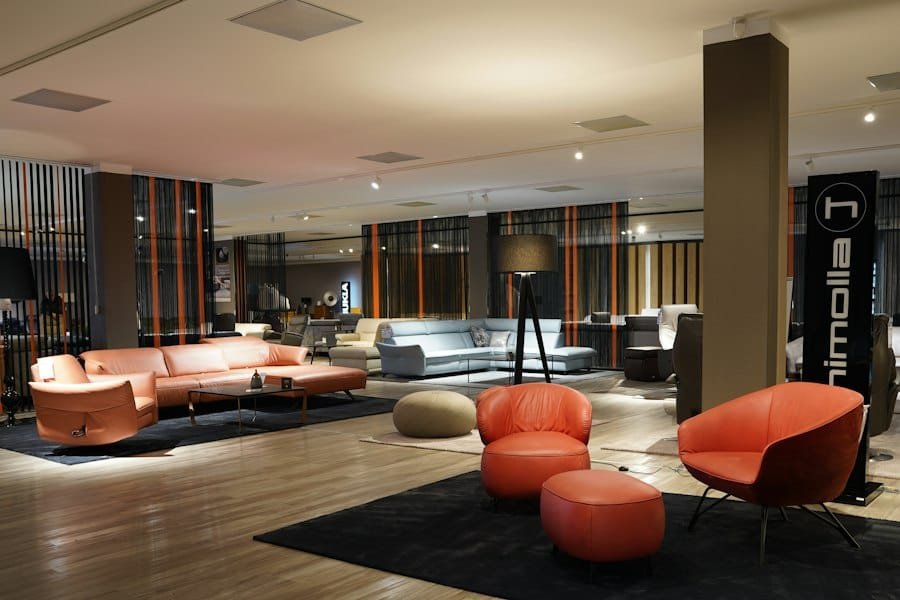
This is perhaps the most critical factor. The best-looking furniture is useless if it falls apart after a season or two. Your local climate dictates a lot here.
2.1 Wood Furniture: Classic Charm with Specific Care
Wood brings natural beauty, but different types require different levels of attention.
- Teak: The gold standard for outdoor wood furniture. It’s incredibly durable, naturally resistant to rot, pests, and weather thanks to its high oil content. It weathers to a beautiful silvery-gray patina over time if left untreated, or you can maintain its golden-brown hue with periodic oiling. It’s an investment, but it lasts for decades.
- Eucalyptus: A more budget-friendly hardwood option. It’s also dense and resistant to moisture and insects, though not quite as durable as teak. It generally needs to be oiled regularly (1-2 times per year) to maintain its finish and prevent cracking.
- Acacia: Another hardwood often used for outdoor furniture, offering good durability at a lower price point than teak. It’s fairly weather-resistant but benefits from regular oiling or sealing to prevent drying and cracking.
- Cedar: Lightweight and naturally resistant to rot and insects due to its oils. It weathers to a soft gray. It’s a good choice for areas with moderate weather, but might not hold up as well as teak in harsh climates.
- Pine/Fir: Generally softer woods, often pressure-treated for outdoor use. They are usually the most budget-friendly option but require more maintenance (sealing, painting) and won’t last as long as hardwoods. Prone to splintering and warping if not cared for.
2.2 Metal Furniture: Strength and Style
Metals offer strength and can be quite stylish, but watch out for rust.
- Aluminum (Powder-Coated): Lightweight, rust-proof, and very low maintenance. Powder-coating provides a durable, chip-resistant finish. It’s excellent for all climates and easy to move around. It can get hot in direct sun, so consider cushions.
- Wrought Iron: Heavy, sturdy, and classic. It’s very durable and can withstand strong winds. However, it’s prone to rust if its protective coating chips or scratches, so regular touch-ups are necessary. It’s also very heavy, so not ideal if you need to move furniture often. Can get extremely hot in the sun.
- Cast Aluminum: Offers the intricate designs often associated with wrought iron but without the weight and rust issues. It’s durable, rust-resistant, and relatively low maintenance. A great alternative if you like the traditional iron look.
- Stainless Steel: Highly durable, rust-resistant, and modern. It’s often found in high-end designs. It can be more expensive and requires occasional cleaning to maintain its shine, but it’s an excellent choice for longevity.
2.3 Woven & Synthetic Materials: Versatility and Modernity
These options offer a wide range of looks and excellent weather resistance.
- All-Weather Wicker (Synthetic Wicker/Resin Wicker): Not actual wicker (which is a weaving technique, not a material), but rather synthetic fibers (usually polyethylene) woven over an aluminum frame. This is incredibly popular because it’s durable, resistant to UV rays, moisture, fading, and mildew. It’s lightweight, easy to clean, and comes in countless styles and colors. A fantastic all-rounder.
- Rattan/Natural Wicker: Made from natural plant fibers. While beautiful, it’s generally not suitable for direct outdoor exposure. It will degrade quickly with rain and sun exposure. Best reserved for covered patios, sunrooms, or areas completely protected from the elements.
- Textilene/Sling Fabric: A woven mesh fabric (PVC-coated polyester) often used for chair slings and sun loungers. It’s quick-drying, breathable, UV-resistant, and very low maintenance. Great for poolside or casual seating.
- High-Density Polyethylene (HDPE) Lumber: This is essentially recycled plastic made to look like wood. It’s extremely durable, won’t rot, splinter, fade, or crack, and requires virtually no maintenance. It’s heavy, so it stays put in windy conditions. Often seen in Adirondack chairs and other classic styles, it comes in many colors.
2.4 Cushions and Fabrics: Comfort and Fading Factors
Don’t overlook the soft stuff! Cushions make a huge difference in comfort and can be a significant investment.
- Fabric: Look for outdoor-specific fabrics like solution-dyed acrylic (e.g., Sunbrella, Outdura) or marine-grade vinyl. These are highly resistant to fading, mildew, and water. Polyester blends are also common but may not hold up as well to prolonged sun exposure.
- Fill: Open-cell foam drains water better and dries faster than closed-cell foam. Quick-dry foam is ideal for areas prone to rain. Polyester fiberfill can be comfortable but may compress over time.
- Maintenance: Removable, washable covers are a lifesaver. Store cushions indoors or in a deck box during prolonged bad weather or the off-season to extend their life.
3. Prioritize Comfort and Functionality
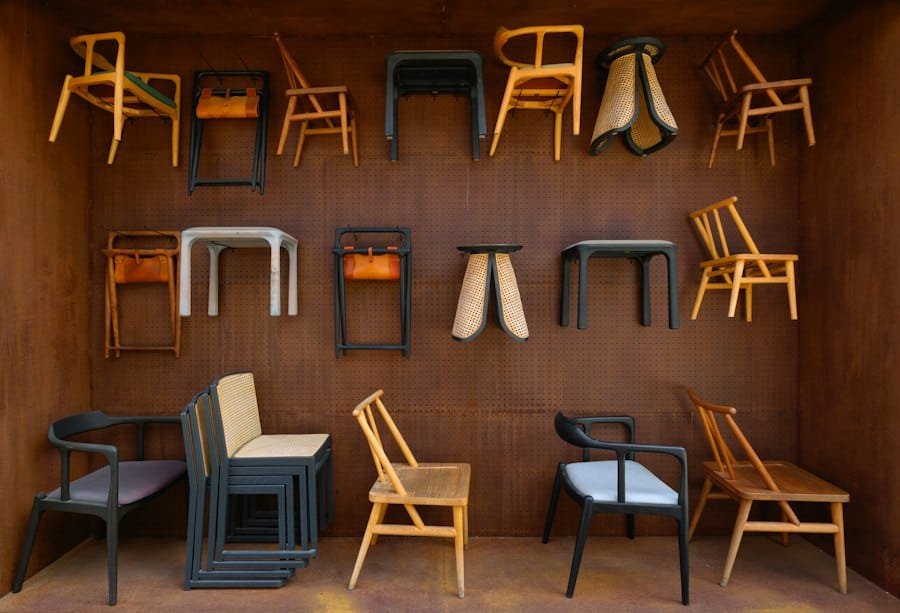
Good-looking furniture that’s uncomfortable or impractical is a waste of money. Test it out if you can!
3.1 Seating Depth and Height
This is personal preference, but generally, deeper seats are more comfortable for lounging, while shallower seats are better for dining.
- Lounge Seating: Aim for seat depths of at least 20-24 inches. Combined with good back support, this allows you to sink in and relax.
- Dining Seating: Standard dining chair seat depth is usually around 16-18 inches, allowing you to sit upright comfortably at a table.
- Height: Ensure chair heights are appropriate for any tables. You want enough legroom and a comfortable arm position.
3.2 Cushion Quality and Support
Beyond the fabric, the quality of the cushion itself is paramount for comfort and longevity.
- Firmness: Cushions shouldn’t be too soft that you sink completely, nor too hard that they feel like a board. A good balance provides support and comfort.
- Density: Denser foam holds its shape better and lasts longer. You can often feel this by pressing down on the cushion.
- Water Drainage: If you’re in a rainy climate, look for cushions designed to drain water quickly to prevent mildew.
3.3 Versatility and Adaptability
Think about how furniture can serve multiple purposes or adapt to different situations.
- Modular Sectionals: These are fantastic for reconfiguring your layout as needed, whether for a large party or a cozy evening.
- Ottomans/Poufs: Can serve as footrests, extra seating, or even impromptu side tables with a tray.
- Nesting Tables: Great for small spaces where you need extra surface area only occasionally.
- Storage Benches/Coffee Tables: Combine seating or a surface with hidden storage for cushions or outdoor accessories.
- Adjustable Chairs/Lounges: Allow you to recline for sunbathing or sit upright for reading.
Looking to enhance your garden space? Check out our selection of Outdoor Furniture for stylish and durable options. Transform your patio with our premium outdoor pieces today!
4. Consider Your Climate and Maintenance Needs
Your location plays a huge role in what furniture will thrive and what will become a headache.
4.1 Hot and Sunny Climates
- UV Resistance: Fading is a major issue here. Choose materials like powder-coated aluminum, HDPE lumber, and solution-dyed acrylic fabrics (Sunbrella is your friend!).
- Heat Absorption: Dark metals can become scorching hot. Light-colored materials or those that don’t retain much heat (like sling fabric) are better choices. Consider furniture with cushions or those that stay cooler.
- Shade: Factor in umbrellas, pergolas, or awnings to protect both your furniture and yourself.
4.2 Rainy and Humid Climates
- Water Resistance: Materials that don’t absorb water or are quick-drying are essential. All-weather wicker, aluminum, HDPE lumber, and teak are excellent.
- Mildew Resistance: High humidity and moisture lead to mildew. Choose fabrics with mildew-resistant properties and materials that don’t trap moisture. Regular cleaning is a must.
- Drainage: Ensure cushions and furniture frames allow for good water drainage.
4.3 Cold and Snowy Climates
- Freezing/Thawing: Materials need to withstand repeated freeze-thaw cycles without cracking or becoming brittle. HDPE lumber and quality metals are good. Some wood can crack if it dries out too much.
- Storage: If possible, store cushions and lighter furniture pieces indoors during the winter. Heavy, durable pieces like HDPE lumber furniture can often be left out, but covers are recommended.
4.4 Wind-Prone Areas
- Weight: Lightweight furniture can become a projectile. Opt for heavier materials like wrought iron, cast aluminum, solid wood, or HDPE lumber.
- Design: Furniture with solid, heavy bases is more stable. Consider furniture that can be secured if necessary.
4.5 Maintenance Level You’re Willing To Do
Be honest with yourself. Are you a “set it and forget it” person, or do you enjoy regular upkeep?
- Low Maintenance: Powder-coated aluminum, all-weather wicker, HDPE lumber, sling fabric. These generally only need occasional wiping down with soap and water.
- Medium Maintenance: Teak (if you want to maintain its golden color), eucalyptus, acacia. These might require periodic oiling or sealing. Wrought iron needs rust spot touch-ups.
- High Maintenance: Natural wicker, untreated softwoods (if trying to preserve them), and materials that need frequent cleaning due to environmental factors.
When selecting outdoor furniture for your home, it’s essential to consider both style and functionality to create a comfortable and inviting space. For those looking to explore a variety of options, you might find inspiration in a related article that showcases a stunning collection of outdoor furniture. This resource can help you visualize how different pieces can complement your outdoor area. To learn more about these options, check out this collection of outdoor furniture that can enhance your outdoor living experience.
5. Don’t Forget the Details: Accessories and Budget
It’s not just about the big pieces. The small touches and a realistic budget make all the difference.
5.1 The Power of Accessories
Accessories can completely change the look and feel of your outdoor space, adding comfort and personality.
- Cushions and Pillows: These are your best friends for comfort and style. Change them out seasonally to refresh your look. Look for outdoor-specific fabrics.
- Outdoor Rugs: Define your space, add warmth, and introduce color or pattern. Ensure they are designed for outdoor use to withstand moisture and UV.
- Lighting: Essential for evening ambiance and safety. Think string lights, solar lanterns, outdoor floor lamps, or even integrated LED lighting in furniture.
- Umbrellas and Shade Structures: Crucial for sun protection and creating a comfortable microclimate. Cantilever umbrellas offer flexible shade, while market umbrellas are great for dining tables.
- Side Tables and Coffee Tables: Provide practical surfaces for drinks, books, and snacks.
- Planters and Greenery: Bring life and natural beauty to your patio.
- Fire Pits: Create a focal point, provide warmth on chilly evenings, and encourage gathering.
- Outdoor Storage: Deck boxes are invaluable for stashing cushions, pool toys, or other outdoor essentials, keeping your space tidy.
5.2 Setting a Realistic Budget
Outdoor furniture can range from surprisingly affordable to quite expensive. Know what you’re willing to spend.
- Prioritize: Decide which pieces are most important to you. Is a comfortable lounge set paramount, or do you need a full dining setup?
- Long-Term Value: Sometimes spending a bit more on high-quality, durable materials (like teak or powder-coated aluminum with Sunbrella cushions) will save you money in the long run, as you won’t need to replace them as often.
- Sales and Off-Season: Keep an eye out for end-of-season sales (late summer/early fall) or holiday promotions. You can often snag great deals.
- Mix and Match: You don’t have to buy everything from the same collection or at the same price point. Splurge on key pieces and save on accessories or less-used items.
- DIY/Secondhand: For budget-conscious buyers, consider refurbishing secondhand pieces (like metal frames that need new paint or wood that needs sanding and sealing) or building simple pieces yourself.
By taking the time to consider these points, you’ll be well on your way to creating an outdoor oasis that’s not just beautiful, but also perfectly suited to your lifestyle and built to last. Happy furnishing!
FAQs
1. What materials are commonly used for outdoor furniture?
Common materials used for outdoor furniture include aluminum, teak, wicker, wrought iron, and plastic. Each material has its own advantages and considerations in terms of durability, maintenance, and style.
2. How do I choose the right size of outdoor furniture for my space?
Before purchasing outdoor furniture, measure the available space in your outdoor area. Consider the dimensions of the furniture pieces to ensure they fit comfortably without overcrowding the space. Leave enough room for movement around the furniture.
3. What factors should I consider when selecting outdoor furniture cushions?
When choosing outdoor furniture cushions, consider the fabric’s durability, resistance to fading and mildew, and ease of cleaning. Opt for cushions with removable covers for easy maintenance and select colors and patterns that complement your outdoor decor.
4. How can I protect my outdoor furniture from the elements?
To protect outdoor furniture from the elements, consider investing in covers specifically designed for your furniture pieces. Additionally, storing cushions indoors when not in use, applying a protective sealant to wooden furniture, and regularly cleaning and maintaining your furniture can help prolong its lifespan.
5. What are some tips for maintaining outdoor furniture?
To maintain outdoor furniture, regularly clean it with a mild soap and water solution. Avoid using harsh chemicals or abrasive materials that can damage the furniture’s finish. Store furniture indoors or use covers during inclement weather to prevent damage from sun, rain, and snow.