
So, you’re thinking about snagging a garden bench? Smart move. A good bench can totally transform your outdoor space, giving you a cozy spot to sip your morning coffee, soak up some sun, or just take a breather. But before you go blindly picking the first one you see, let’s break down what actually makes a garden bench a good bench. It’s not just about looks; it’s about finding something that fits your life, your garden, and your budget for the long haul.
Before you even start looking at materials or styles, take a moment to think about why you want a bench and where it’s going. This is the foundation of your decision, and getting it right saves you a lot of hassle later.
Where Will It Live?
This sounds obvious, but consider the exact spot. Is it under a shady tree, getting blasted by the sun for most of the day, or tucked away on a patio?
Sun Exposure and Weather
If your bench is going to be in direct sunlight all day, materials that can fade or warp quickly might be a problem. Conversely, if it’s in a damp, shaded area, you’ll want something that resists rot and mold. Think about your local climate too. Is it humid? Does it rain a lot? Are there harsh winters with freezing temperatures?
Ground Stability
Will your bench sit on a perfectly flat patio, or will it be on grass or uneven ground? Some benches have adjustable feet or are designed to be more stable on varied surfaces, while others might wobble and need a bit of extra support.
What’s Its Main Job?
Are you picturing yourself lounging for hours with a book, or is it more for a quick perch when you’re popping outside?
Long Lounging Sessions
If you plan to spend significant time on your bench, comfort becomes a top priority. You’ll want to consider back support, armrests, and the overall depth and width of the seat. A bench that’s just a hard plank might not be ideal for extended relaxation.
Occasional Seating
For a bench that’s more about adding a decorative touch or providing a brief place to sit while putting on gardening shoes, a less plush option might be perfectly fine. Durability and ease of maintenance might be more important here.
Decorative Element
Sometimes, a bench is chosen purely for its aesthetic appeal. In this case, while comfort is still a factor, the visual design and how it complements your garden’s style can be the deciding element.
When considering the perfect garden bench for your outdoor space, it’s essential to explore various options and styles that can enhance your garden’s aesthetic. A related article that provides valuable insights on outdoor furniture is available at this link: Elevate Your Outdoors with BT Mart. This resource can help you discover additional tips and products that complement your garden bench selection, ensuring a cohesive and inviting outdoor environment.
Material Matters: The Building Blocks of Your Bench
This is where the rubber meets the road, or rather, where the wood, metal, or plastic meets the ground. The material your bench is made from will dictate its durability, maintenance needs, cost, and overall look and feel.
Wood: Natural Charm and Varying Durability
Wood is a classic choice for a reason. It blends beautifully with natural surroundings and can develop a lovely patina over time. However, “wood” is a broad term, and some types are far more suited to outdoor life than others.
Hardwoods: The Tough Guys
- Teak: Often considered the king of outdoor furniture woods. It’s naturally rich in oils, making it highly resistant to rot, decay, and insect infestations. It weathers to a beautiful silvery-grey if left untreated, or you can maintain its golden color with regular oiling. The downside? It’s usually the most expensive option.
- Acacia: Another durable hardwood that’s a good, often more affordable, alternative to teak. It’s known for its strength and resistance to weathering. Like teak, it can be left to weather naturally or be treated.
- Oak: A sturdy option that’s naturally dense and resistant to rot. It can be quite heavy and durable, but it might require more maintenance than teak or acacia to prevent warping and cracking, especially if it’s not kiln-dried.
- Cedar: Lighter than hardwoods and has natural oils that make it resistant to rot and insects. It has a lovely scent and a warm appearance. It’s generally less durable than teak or acacia and can be more prone to scratching.
Softwoods: Lighter and Less Robust
- Pine, Fir, etc.: These are more budget-friendly but generally require more protection and maintenance. They are more susceptible to rot, insect damage, and weathering. If you opt for softwood, ensure it’s pressure-treated for outdoor use, and be prepared for regular sealing or painting to keep it in good shape.
Wood Treatment and Finish
No matter the type of wood, how it’s treated and finished is crucial. Look for benches that are either kiln-dried, pressure-treated, or have a good quality sealant or stain already applied. If you’re buying unfinished wood, factor in the cost and time for applying your own protective finish.
Metal: Strength and Style, But Watch for Rust
Metal benches offer a different kind of durability and a distinct aesthetic. They can be sleek and modern or ornate and traditional.
Cast Iron: Heavy and Classic
- Known for its strength and the ability to hold intricate designs. Cast iron benches are very durable and have a timeless appeal. However, they are extremely heavy, making them difficult to move. They can also rust if the protective coating is damaged, so regular inspection and touch-ups are important.
Wrought Iron: Ornate and Sturdy
- Similar to cast iron in its durability and potential for detailed designs. Wrought iron is typically stronger and less brittle than cast iron. It’s also susceptible to rust if not properly maintained.
Aluminum: Lightweight and Rust-Resistant
- A great choice if you want the look of metal without the extreme weight or the worry of rust. Aluminum is naturally rust-resistant and lighter than iron. It can be powder-coated in various colors for added protection and style. While strong, it’s not as indestructible as cast iron, and very thin aluminum can be bent.
Steel: Strong but Can Rust
- Steel offers excellent strength but, unless it’s stainless steel or has a very robust coating, it’s prone to rusting. Powder-coated steel is a common and good option, offering a protective layer.
Recycled Plastic and Composite: Low Maintenance Champions
These materials are gaining popularity for their eco-friendliness and minimal upkeep.
Recycled Plastic: The Eco-Warrior
- Made from post-consumer recycled plastic, these benches are incredibly durable, weather-resistant, and virtually maintenance-free. They won’t rot, splinter, or crack, and they don’t need painting or sealing. They can be heavier than some wood options, providing good stability. The look can vary; some mimic wood convincingly, while others have a distinct plastic appearance.
Composite Materials: The Blend
- These are usually a mix of plastic and wood fibers. They aim to offer the look of wood with the durability and low maintenance of plastic. They are resistant to rot, insects, and weathering. Like recycled plastic, maintenance is minimal, usually just a rinse with soap and water.
Other Materials: Don’t Forget the Quirky Stuff
While less common for standard garden benches, you might encounter other materials that could suit specific needs or styles.
Stone: Timeless and Permanent
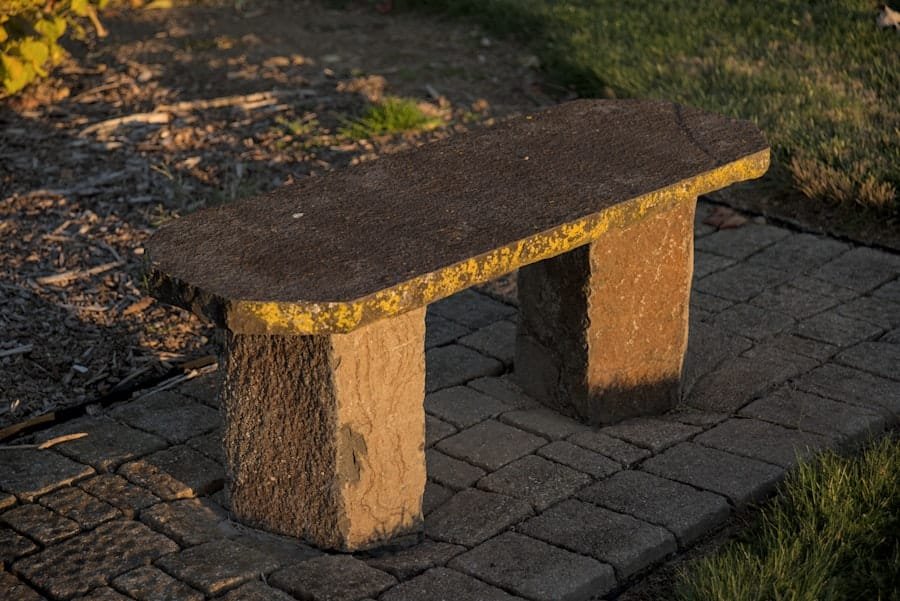
- Stone benches are incredibly durable and weather-resistant. They can be very heavy and are usually a significant investment, often requiring professional installation. They offer a classic, stately look and require virtually no maintenance.
Design and Comfort: More Than Just a Seat
Once you’ve got a handle on materials, let’s dive into the specifics of what makes a bench comfortable and functional for you. It’s not just about a place to sit; it’s about a pleasant experience.
Back Support: Crucial for Longer Stays
This is a big one if you plan on spending any extended time on your bench.
Straight vs. Angled Backs
A bench with a straight back might look sleek, but it can feel a bit rigid for prolonged sitting. Benches with backs that are slightly angled are generally more comfortable, allowing you to lean back and relax without feeling like you’re being pushed forward.
Height of the Back
A higher back can offer more support for your upper back and head, which is great for true lounging. A lower back might be perfectly adequate for a brief sit or if you’re more focused on the aesthetic.
Armrests: A Touch of Luxury (or Not)
Armrests can add a lot to the comfort and usability of a bench.
Support and Convenience
They provide a place to rest your arms, of course, but they also offer a bit of assistance when standing up, especially for those with mobility issues. They can also be a convenient spot to place a drink or a small plate.
Style and Functionality
The style of armrests varies greatly. Some are prominent and curved, while others are subtle and streamlined. Consider if they get in the way of moving around the bench or if they feel uncomfortable to lean against.
Seat Depth and Width: Room to Stretch Out (or Not)
The dimensions of the seating area are key to comfort.
Ample Space
A deeper seat allows you to sit back further and can feel more relaxing. A wider bench is great if you want to comfortably seat two people side-by-side or spread out a bit yourself.
Compact Design
If space is limited, or you only need seating for one, a narrower and potentially shallower bench might be more practical. Just ensure it’s not so shallow that it feels precarious to sit on.
Ergonomics and Contouring
Some benches are designed with subtle curves in the seat and back to better conform to the human body. This can dramatically increase comfort, especially on longer sits, without necessarily being obvious at first glance.
Sure, here is the sentence with the clickable link:
I love to relax in my backyard with beautiful Outdoor Furniture.
Size and Scale: Finding the Right Fit for Your Garden
A bench that’s too big can overwhelm a small garden, while one that’s too small can look lost in a larger space. Scale is important for both aesthetics and usability.
For Compact Spaces: The Space Savers
If you have a small patio or a cozy nook, you’ll want to look for benches that are designed for smaller footprints.
Two-Seaters and Slim Designs
Many manufacturers offer two-seater benches that are intentionally less deep and wide than their larger counterparts. Look for benches with a more streamlined design that don’t have bulky armrests or oversized decorative elements.
Corner Benches or Benches with Built-in Planters
These can be clever ways to maximize seating in a small area while also serving other functions, like adding greenery.
For Larger Gardens: Making a Statement
In a more expansive garden, you have more freedom to choose a bench that makes a visual impact.
Longer Benches and Statement Pieces
Don’t be afraid to opt for a longer bench that can comfortably seat three or four people. This can anchor a particular area of your garden, like a focal point near a flower bed or by a pond.
Benches with Multiple Sections or Curves
Some larger benches are designed with curved sections, allowing them to follow the contours of a path or a garden bed, or to create a more inviting gathering spot.
Proportion to Surroundings
Think about the scale of your existing garden furniture, planters, and any other outdoor structures. Your bench should feel like it belongs, not like an afterthought or an intrusive giant.
When considering the best options for your outdoor space, it’s essential to explore various resources that can guide your decision-making process. One such valuable article is the Garden Bench Buying Guide: What to Look For, which provides insights on materials, styles, and durability. Additionally, you might find it helpful to check out related articles on outdoor furniture trends and maintenance tips available at this link. These resources can enhance your understanding and help you create the perfect outdoor retreat.
Durability and Maintenance: Long-Term Investments
Buying a garden bench is often an investment. You want something that will last and won’t require constant upkeep unless you’re specifically looking for that.
Weather Resistance: Standing Up to the Elements
This ties back to material, but it’s worth reiterating. How well will the bench hold up to rain, sun, wind, and temperature changes?
Rot and Insect Resistance
For wood, this is paramount. Hardwoods with natural oils are best, or properly treated softwoods.
Rust Protection
For metal, a good coating and regular checks for damage are key to preventing rust.
UV Stability
Materials like plastic and some composites can fade or become brittle with prolonged UV exposure. Higher quality options will have better UV inhibitors.
Ease of Cleaning: Keeping It Looking Good
Let’s be practical – your bench will get dirty.
Simple Surfaces
Benches with smooth, non-porous surfaces are generally the easiest to clean. A quick wipe-down with a damp cloth or a hose is often all that’s needed for plastic, metal, or well-sealed wood.
Avoiding Crevices
Intricate designs or materials that trap dirt and moisture can make cleaning a chore.
Longevity and Warranty: Peace of Mind
Consider how long you expect the bench to last and what kind of warranty, if any, is offered.
Manufacturer Guarantees
Some higher-end benches come with warranties against defects in materials and workmanship, which can be a good indicator of quality.
Realistic Expectations
Understand that outdoor furniture, especially wood, will likely show signs of age and wear over time. This can be part of its charm, but it’s good to have realistic expectations.
Additional Features and Practicalities
Beyond the core elements, a few extra considerations can make your garden bench even better.
Storage and Portability
Do you plan to move your bench around, or will it have a permanent spot?
Weight and Design
If portability is important, opt for lighter materials like aluminum or some types of plastic. Benches with a lighter frame or designed to be easily disassembled might also be an option.
Stackable or Foldable
While less common for traditional garden benches, some bistro-style seating might offer folding features.
Assembly Requirements
Some benches arrive fully assembled, while others require some degree of construction.
DIY Skills
Be honest about your DIY skills and the time you’re willing to invest. Some assembly can be straightforward with a few basic tools, while more complex designs might require more patience and expertise.
Tools Needed
Always check what tools are required before you buy, so you’re not left halfway through assembly needing a specific wrench or screwdriver.
Cushions and Accessories
Will you be adding cushions for extra comfort?
Cushion Compatibility
If you plan to use cushions, make sure the bench dimensions are suitable. Some curved benches might require custom cushions, which adds to the cost.
Integrated Features
Some benches come with built-in features like cup holders or small shelves, which can be surprisingly handy for enjoying your garden time.
Ultimately, the best garden bench for you is one that balances your aesthetic preferences, your practical needs, and your budget. Take your time, consider these points, and soon you’ll be enjoying your new favorite spot in the garden.
FAQs
1. What are the different materials used for garden benches?
There are several materials commonly used for garden benches, including wood, metal, plastic, and concrete. Each material has its own advantages and considerations, such as durability, maintenance, and aesthetic appeal.
2. What should I consider when choosing a garden bench?
When choosing a garden bench, consider the material, size, style, and maintenance requirements. Think about the climate in your area and how the bench will be used to ensure it meets your specific needs.
3. How do I ensure the durability of a garden bench?
To ensure the durability of a garden bench, consider the material’s resistance to weather, rot, and pests. Additionally, look for benches with sturdy construction and consider applying a protective sealant or finish to extend its lifespan.
4. What are the different styles of garden benches available?
Garden benches come in various styles, including traditional, modern, rustic, and decorative designs. Some benches may have intricate details or decorative elements, while others are more simple and functional.
5. What maintenance is required for garden benches?
The maintenance required for garden benches depends on the material. Wood benches may need to be resealed or refinished periodically, while metal benches may require rust prevention treatments. Plastic and concrete benches generally require less maintenance, but regular cleaning is still recommended.