
Outdoor furniture selection significantly influences the quality of outdoor living spaces. As homeowners prioritize creating attractive and practical outdoor areas, low-maintenance furniture materials have become increasingly popular. These materials improve the visual appeal of patios, decks, and gardens while providing functional benefits suited to contemporary lifestyles.
Quality outdoor furniture resists weather damage, prevents deterioration, and demands minimal care, enabling homeowners to use their outdoor spaces comfortably without extensive maintenance requirements. Technological innovations and environmental consciousness have shaped the development of outdoor furniture materials. Traditional options such as wood and metal have been modified and improved, while new synthetic alternatives have entered the market, offering consumers diverse selections.
This article examines the range of low-maintenance outdoor furniture materials currently available, including their advantages, performance comparisons, maintenance guidelines, and ecological considerations. Understanding these factors allows homeowners to select furniture that matches their practical needs and design preferences.
Key Takeaways
- Easy maintenance outdoor furniture materials offer durability and require minimal upkeep.
- Benefits include resistance to weather, fading, and stains, enhancing longevity.
- Common materials include synthetic wicker, aluminum, and teak, each with unique care needs.
- Regular cleaning with mild soap and water helps preserve appearance and function.
- Considering environmental impact and cost is essential when selecting outdoor furniture materials.
Benefits of choosing easy maintenance outdoor furniture materials
Selecting easy maintenance outdoor furniture materials offers a multitude of benefits that extend beyond mere convenience. One of the most significant advantages is the time saved on upkeep. Traditional materials often require regular treatments, such as sealing or painting, to maintain their appearance and structural integrity.
In contrast, easy maintenance options are designed to resist fading, staining, and corrosion, allowing homeowners to spend more time enjoying their outdoor spaces rather than laboring over them. Additionally, easy maintenance materials often boast enhanced durability. For instance, high-density polyethylene (HDPE) and aluminum are engineered to withstand harsh weather conditions without succumbing to rust or rot.
This resilience not only prolongs the lifespan of the furniture but also ensures that it retains its aesthetic appeal over time. Furthermore, many of these materials are resistant to mold and mildew growth, making them ideal for humid climates where traditional wood might struggle. The combination of durability and low upkeep makes these materials an attractive choice for those looking to invest in long-lasting outdoor furnishings. Explore the latest trends and tips in Outdoor Furniture to enhance your backyard experience.
Comparison of different easy maintenance outdoor furniture materials
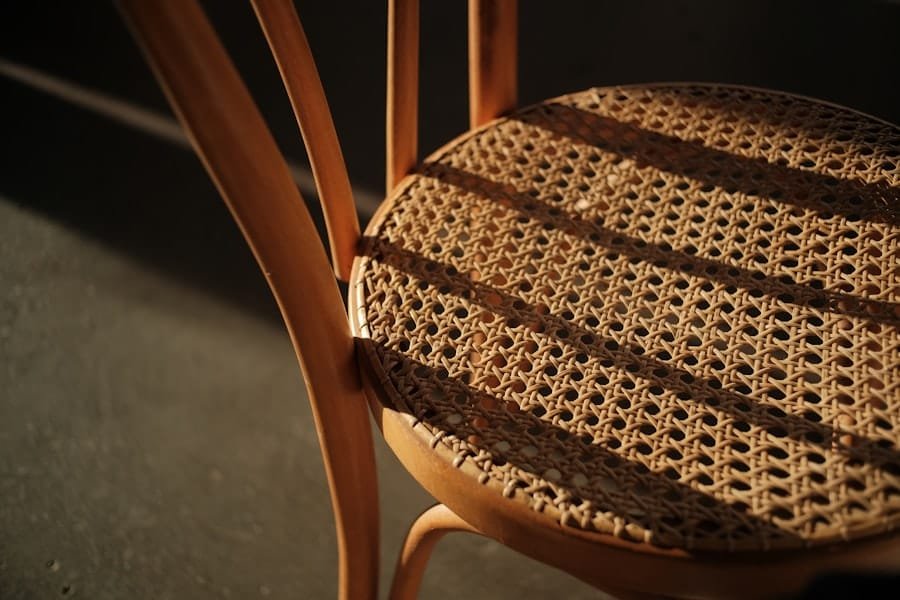
When considering easy maintenance outdoor furniture materials, several options stand out for their unique properties and benefits. One popular choice is aluminum, known for its lightweight nature and resistance to rust. Aluminum furniture is often powder-coated to enhance its durability and color retention, making it an excellent option for those who desire a modern aesthetic without the hassle of frequent maintenance.
However, while aluminum is resistant to corrosion, it can become hot in direct sunlight, which may be a consideration for some users. Another contender in the easy maintenance category is synthetic wicker or resin wicker. This material mimics the appearance of traditional wicker but is crafted from high-density polyethylene fibers that are UV-resistant and waterproof.
Synthetic wicker is not only easy to clean but also retains its color and shape over time, making it a popular choice for outdoor seating arrangements. However, it’s essential to ensure that the underlying frame is made from a durable material like aluminum or steel to prevent rusting. Teak wood is often lauded for its natural beauty and durability; however, it requires some maintenance to preserve its rich color.
In contrast, composite wood materials combine wood fibers with plastic resins to create a product that mimics the look of wood while offering superior resistance to moisture and pests. Composite materials do not require staining or sealing, making them an appealing alternative for those who appreciate the aesthetic of wood without the associated upkeep.
Tips for cleaning and caring for easy maintenance outdoor furniture materials
While easy maintenance outdoor furniture materials are designed to minimize upkeep, some basic cleaning practices can help prolong their lifespan and maintain their appearance. For aluminum furniture, a simple solution of mild soap and water is often sufficient for cleaning. It’s advisable to use a soft cloth or sponge to avoid scratching the surface.
Regularly checking for any signs of wear or damage can also help catch potential issues before they escalate. Synthetic wicker requires minimal care as well; however, it’s beneficial to periodically wipe down the surfaces with a damp cloth to remove dust and debris. For tougher stains, a mixture of vinegar and water can be effective without damaging the material.
It’s important to avoid using harsh chemicals or abrasive cleaners that could compromise the integrity of the synthetic fibers. For composite wood materials, cleaning is straightforward as they can typically be hosed down or wiped with a damp cloth. If there are stubborn stains or mildew growth, a gentle scrub with a soft brush and soapy water can restore their appearance without causing harm.
Regularly inspecting joints and connections for any signs of loosening can also help maintain structural integrity over time.
Popular easy maintenance outdoor furniture materials on the market
The market offers a diverse array of easy maintenance outdoor furniture materials that cater to various tastes and preferences. One standout option is high-density polyethylene (HDPE), which has gained popularity due to its exceptional durability and resistance to fading. HDPE furniture is often available in a wide range of colors and styles, making it suitable for both contemporary and traditional outdoor settings.
Another widely recognized material is aluminum, which has become synonymous with modern outdoor design. Its lightweight nature allows for easy rearrangement, while its resistance to rust makes it ideal for coastal environments where saltwater can be corrosive. Many manufacturers offer aluminum furniture with powder-coated finishes that enhance both durability and aesthetics.
Resin wicker has also carved out a niche in the market as a stylish yet practical option for outdoor seating. Its ability to mimic natural wicker while providing superior weather resistance has made it a favorite among homeowners looking for comfortable lounge chairs or dining sets. Additionally, many brands now offer eco-friendly options made from recycled plastics, appealing to environmentally conscious consumers.
Environmental impact of easy maintenance outdoor furniture materials
The environmental impact of outdoor furniture materials is an increasingly important consideration for consumers today. Many easy maintenance options are designed with sustainability in mind, utilizing recycled or eco-friendly materials in their production processes. For instance, HDPE is often made from recycled plastics, diverting waste from landfills while creating durable products that can last for years.
Aluminum is another material that boasts a relatively low environmental footprint due to its recyclability. The recycling process for aluminum requires significantly less energy compared to producing new aluminum from raw materials. This characteristic not only reduces energy consumption but also minimizes greenhouse gas emissions associated with production.
On the other hand, traditional wood furniture raises concerns regarding deforestation and habitat destruction if sourced unsustainably. However, some manufacturers are committed to using responsibly harvested wood from certified forests or utilizing reclaimed wood in their designs. By choosing brands that prioritize sustainable practices, consumers can enjoy beautiful outdoor spaces while minimizing their ecological impact.
Cost considerations for easy maintenance outdoor furniture materials
When selecting easy maintenance outdoor furniture materials, cost is an essential factor that varies widely depending on the material and brand. Aluminum furniture tends to be more affordable than solid wood options but may still represent a significant investment depending on design complexity and brand reputation. While initial costs may be higher for high-quality aluminum pieces, their longevity can offset these expenses over time due to reduced replacement needs.
Synthetic wicker offers a mid-range price point that appeals to many consumers seeking stylish yet functional options. The affordability of resin wicker compared to natural wicker makes it an attractive choice for those looking to furnish larger outdoor areas without breaking the bank. However, it’s crucial to consider the quality of the underlying frame; cheaper options may compromise durability.
Composite wood materials often fall within a similar price range as synthetic wicker but can vary based on brand and design features. While they may not have the same aesthetic appeal as natural wood, their low-maintenance nature can justify any price differences in terms of long-term value.
Conclusion and recommendations for choosing easy maintenance outdoor furniture materials
In navigating the world of easy maintenance outdoor furniture materials, consumers are presented with an array of choices that cater to diverse preferences and lifestyles. The benefits of selecting these materials extend beyond convenience; they encompass durability, aesthetic appeal, and environmental considerations. By understanding the characteristics of various options such as aluminum, HDPE, synthetic wicker, and composite wood, homeowners can make informed decisions that align with their needs.
When choosing easy maintenance outdoor furniture materials, it’s advisable to consider factors such as climate conditions, intended use, and personal style preferences. Investing in high-quality pieces may yield long-term savings through reduced maintenance efforts and increased durability. Additionally, prioritizing brands that emphasize sustainability can contribute positively to environmental conservation efforts while enhancing one’s outdoor living experience.
Ultimately, selecting the right materials will lead to enjoyable outdoor spaces that require minimal upkeep while providing maximum comfort and style.
When considering easy maintenance outdoor furniture materials, it’s essential to explore options that not only enhance the aesthetic of your outdoor space but also require minimal upkeep. For a comprehensive overview of various outdoor furniture collections, you can check out this article on the BT Mart’s collection of outdoor furniture, which highlights materials that are both durable and easy to maintain. You can read more about it here.
FAQs
What are some common materials used for easy maintenance outdoor furniture?
Common materials for easy maintenance outdoor furniture include aluminum, synthetic wicker (resin), teak wood, plastic, and powder-coated steel. These materials are chosen for their durability and low upkeep requirements.
Why is aluminum considered a good material for outdoor furniture?
Aluminum is lightweight, rust-resistant, and does not corrode easily, making it ideal for outdoor use. It requires minimal maintenance, usually just occasional cleaning with soap and water.
Is synthetic wicker better than natural wicker for outdoor furniture?
Yes, synthetic wicker (resin wicker) is more durable and weather-resistant than natural wicker. It does not fade, crack, or peel easily and is easier to clean, making it a better choice for low-maintenance outdoor furniture.
How does teak wood perform as an outdoor furniture material?
Teak wood is highly durable and naturally resistant to water, insects, and decay due to its natural oils. While it requires some maintenance like periodic cleaning and oiling to maintain its color, it is considered relatively low maintenance compared to other woods.
Can plastic furniture be a good option for easy maintenance outdoors?
Yes, plastic outdoor furniture is lightweight, affordable, and easy to clean. It is resistant to moisture and does not rust or corrode, but it may fade or become brittle over time with prolonged sun exposure.
What maintenance is typically required for powder-coated steel outdoor furniture?
Powder-coated steel furniture is resistant to rust and corrosion, but it should be cleaned regularly to remove dirt and debris. Inspecting for chips or scratches in the coating and touching them up can help prevent rust.
How often should outdoor furniture be cleaned to maintain its appearance?
Outdoor furniture should generally be cleaned every few weeks or at least once a month, depending on exposure to dirt, pollen, and weather conditions. Regular cleaning helps prevent buildup and prolongs the furniture’s lifespan.
Are cushions and fabrics considered part of easy maintenance outdoor furniture?
Cushions and fabrics require more maintenance than the furniture frames themselves. Choosing weather-resistant, quick-drying, and removable covers can make cleaning easier, but cushions typically need to be cleaned or replaced more frequently.
What are some tips to extend the life of outdoor furniture materials?
To extend the life of outdoor furniture, store cushions indoors when not in use, cover furniture during harsh weather, clean regularly, and perform minor repairs promptly. Using furniture covers and placing furniture in shaded areas can also reduce wear and fading.