
Thinking about getting some serious outdoor tables for your business? You’re probably wondering what makes a “commercial-grade, heavy-duty” table actually worth the extra investment. It’s pretty straightforward, really: they’re built with much tougher materials and construction methods to withstand constant use and the elements, meaning they’ll last much longer and require less maintenance than the stuff you’d find at a regular home goods store. Let’s break down what that actually means for you.
Look, we all know the difference between something built for occasional use and something designed for the daily grind. That cheap patio set might look okay for a family barbecue, but for a restaurant patio, a busy park, or event venue, it’s going to buckle, fade, and break before you know it. Commercial-grade tables are different. They’re engineered to handle the punches, the spills, the sun, the rain, and maybe even the occasional runaway frisbee. It’s about long-term value and avoiding the headache of constant replacements.
The Daily Beatdown: What Commercial Tables Endure
Imagine your tables are like your employees. They’re out there all day, every day, exposed to everything. People leaning on them, chairs scraping against them, drinks spilling, food dropping, and let’s not forget the weather. This isn’t a gentle life. Heavy-duty tables are designed with this reality in mind, from the ground up.
Cost vs. Value: The Real Math of Outdoor Furniture
It’s easy to see a higher price tag and think “expensive.” But when you factor in how quickly a cheaper table will need replacing – the labor to dispose of it, the cost of buying a new one, the downtime if it breaks – that initial “investment” in a good quality table actually saves you money in the long run. Think of it as buying a reliable workhorse instead of a flimsy pony.
When considering Heavy Duty Outdoor Tables for Commercial Use, it’s essential to explore the durability and resilience of outdoor furniture in various conditions. A related article that delves into this topic is “Floodproof Innovations: The Resilience of BT Mart’s Outdoor Furniture,” which highlights innovative designs that withstand harsh weather and environmental challenges. You can read more about these advancements and their implications for outdoor commercial settings by visiting this link: Floodproof Innovations: The Resilience of BT Mart’s Outdoor Furniture.
Material Matters: The Backbone of Durability
When we talk about “heavy-duty,” it all comes down to the materials used. This isn’t just about what looks good; it’s about what can withstand serious use and the unpredictable outdoors. Different materials have different strengths and weaknesses, and knowing them helps you choose what’s best for your specific needs.
Metal Options: Strength and Stability
Metal is often the go-to for commercial outdoor furniture, and for good reason. It’s inherently strong and can be formed into various shapes.
Powder-Coated Steel: A Protective Shield
Steel is a classic for a reason. It’s strong and relatively affordable. The key to its outdoor longevity is the finish. Powder coating is baked onto the steel, creating a thick, durable, and smooth layer that’s much tougher than traditional paint.
- Rust Resistance: A good powder coat acts as a barrier against moisture, which is crucial for preventing rust. Look for high-quality coatings that are applied evenly.
- Scratch and Chip Resistance: While not indestructible, powder coating offers better resistance to minor abrasions and chips compared to painted surfaces.
- UV Stability: Many powder coatings are formulated to resist fading and degradation from sun exposure, keeping your tables looking good season after season.
- Weight: Steel tables tend to be heavy, which is a good thing for stability. They’re less likely to be blown over by strong winds.
Aluminum: Lightweight Without the Weakness
Aluminum is another popular choice, especially if you need something lighter to move around. Commercial-grade aluminum tables are typically made from thicker gauge material and often have a protective powder coat finish similar to steel.
- Corrosion Resistance: Aluminum naturally forms a protective oxide layer, which means it’s highly resistant to rust and corrosion, even if scratched. This makes it a great option for areas with high humidity or near saltwater.
- Lightweight: Compared to steel, aluminum is significantly lighter, making it easier to rearrange your space or store tables during off-seasons.
- Strength-to-Weight Ratio: Despite being lighter, high-quality aluminum is incredibly strong, making it suitable for heavy use.
- Aesthetic Versatility: Aluminum can be cast or extruded into a wide range of designs, offering a lot of stylistic flexibility.
Wrought Iron: The Classic, With Caveats
Wrought iron has a timeless appeal, often associated with intricate designs and a sense of established elegance. However, it’s also one of the heavier options and requires diligent maintenance to prevent rust.
- Unmatched Durability (Structurally): Properly cared for, wrought iron can last for generations. Its solid construction makes it incredibly robust.
- Weighty Presence: These tables are exceptionally heavy, providing excellent stability against wind.
- Rust is the Enemy: The biggest drawback is its susceptibility to rust. If the protective coating is breached, rust can spread quickly. This means regular cleaning and touch-ups might be necessary.
- Maintenance Commitment: If you choose wrought iron, be prepared for a bit more upkeep. Regular sealing and painting are key.
Wood Options: Natural Beauty and Warmth
Wood offers a different aesthetic, bringing a natural warmth that synthetic materials can’t quite replicate. However, not all wood is created equal, and proper treatment is paramount for outdoor longevity.
Teak: The King of Outdoor Woods
Teak is renowned for its natural oils and dense grain, making it exceptionally resistant to water, rot, and insects. It’s a premium choice for a reason.
- Natural Resilience: Teak’s inherent oils repel water and prevent decay, meaning it doesn’t require constant sealing or painting to survive the elements.
- Low Maintenance (Relatively): While it can be left to weather to a silvery-gray patina, cleaning is usually all that’s needed. Avoid harsh chemicals.
- Investment Piece: Teak tables are an investment, but their incredible lifespan and minimal upkeep often justify the cost for high-traffic areas or establishments aiming for a sophisticated outdoor ambiance.
- Comfort and Aesthetics: It’s comfortable to the touch and ages beautifully, developing a unique character over time.
Acacia Wood: A Durable and Sustainable Alternative
Acacia is a hardwood that offers good durability and resistance to water and insects, often at a more accessible price point than teak.
- Good Durability: It’s harder and denser than many other common hardwoods, making it a solid choice for outdoor use.
- Cost-Effective: Generally more affordable than teak, offering a good balance of quality and price.
- Needs Sealing: While naturally resistant, acacia benefits from regular sealing and oiling to maintain its color and protect it from extreme weather.
- Sustainable Sourcing: Many acacia wood products are sourced from sustainably managed forests, which is an added plus.
Treated Hardwoods: Boosting Resilience
Other hardwoods can be treated (like pressure-treated pine or eucalyptus) to enhance their resistance to rot, decay, and insects.
- Enhanced Protection: The treatment process forces chemicals into the wood, providing a significant barrier against biological degradation.
- Cost-Effective: Often a more budget-friendly option than premium hardwoods.
- Environmental Considerations: Be aware of the types of treatments used and their potential environmental impact.
- Regular Maintenance Still Needed: While treated, these woods still benefit from occasional cleaning, sealing, or oiling to maintain their appearance and prolong their life, especially in harsh climates.
Composite Materials: The Modern Solution
Composite materials, like recycled plastic lumber or high-pressure laminate (HPL), offer a blend of durability, low maintenance, and often, environmental benefits.
Recycled Plastic Lumber: The Eco-Warrior
Made from recycled plastics, this material is incredibly tough, moisture-resistant, and virtually maintenance-free.
- Ultimate Low Maintenance: No painting, no sealing, no staining. Just an occasional wash down.
- Waterproof: It won’t rot, warp, or splinter due to moisture. This is a huge advantage in damp or humid environments.
- UV Resistant: High-quality recycled plastic is treated to resist fading and cracking from sun exposure.
- Environmentally Friendly: Gives a second life to plastic waste.
- Heavy and Stable: Often dense, providing good stability.
High-Pressure Laminate (HPL): Sleek and Tough
HPL is a very dense, durable material made from layers of paper or wood fibers impregnated with resin and fused under high pressure. It’s commonly used for tabletops.
- Exceptional Durability: HPL is highly resistant to scratches, impacts, stains, and harsh weather.
- UV and Weather Resistant: It holds up well to direct sunlight and extreme temperatures without fading or degrading.
- Easy to Clean: Spills and food residue wipe off easily, making it ideal for busy food service environments.
- Variety of Looks: Available in a wide range of colors and patterns, including realistic wood and stone simulations.
Construction: How It’s Put Together Makes a Difference
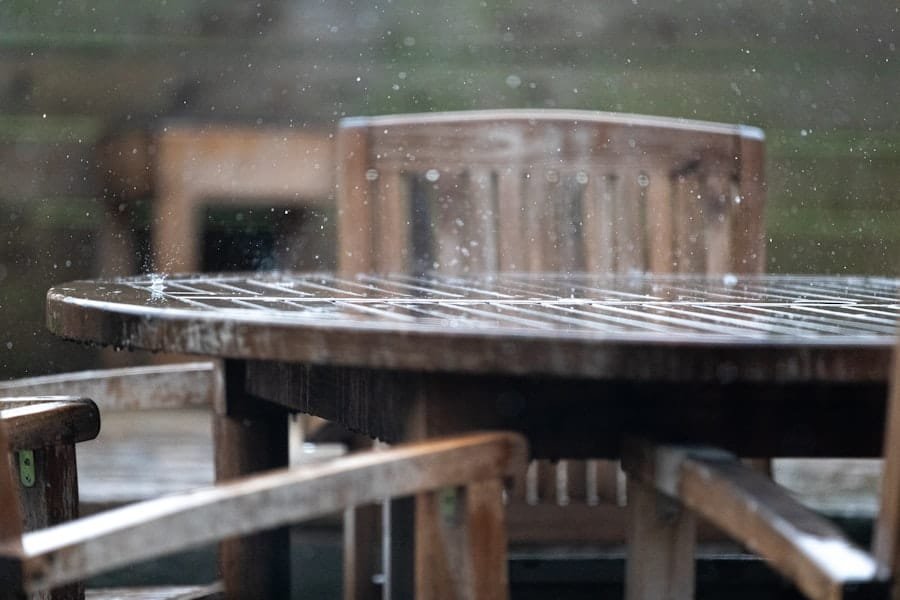
Beyond the materials, the way a table is built is critical. Think about the difference between a wobbly chair and a solid one. For commercial tables, this means reinforced joints, sturdy leg systems, and thoughtful design.
The Frame and Legs: The Unsung Heroes
The foundation of any table is its frame and legs. For commercial use, these need to be robust.
Reinforced Joints and Welds
Look for tables where the frame pieces are securely joined.
- Full Welds (Not Just Spot Welds): On metal tables, full, smooth welds are superior to multiple small spot welds, offering greater strength and preventing weak points where rust can start.
- Reinforced Corners: Corners of the frame are often stress points. Look for extra bracing or thicker material in these areas.
- Bolted vs. Welded: While bolted connections can be easier to assemble or disassemble, high-quality, precision welding generally provides a stronger, more rigid structure for heavy-duty commercial furniture.
Sturdy Leg Designs
Legs are what bear the weight and endure the constant contact with chairs and feet.
- Thick Gauge Metal: For metal tables, thicker gauge steel or aluminum means more strength and less susceptibility to bending or denting.
- Wide Footprint: Legs that spread out offer better stability and are less likely to tip.
- Adjustable Levelers: These are a lifesaver on uneven surfaces. They allow you to compensate for slopes or dips in the ground, preventing wobbling and making the table safe and usable. Many commercial tables include these.
Tabletops: The Working Surface
The tabletop is what gets the most direct attention. Its construction determines its longevity and ease of care.
Integrated vs. Separate Components
How the tabletop is assembled and attached to the frame matters.
- Solid One-Piece Tops: For materials like HPL or certain composites, a single, solid piece integrated with the frame offers maximum durability and fewer seams where water or grime can collect.
- Interlocking Slats (Wood/Composite): For wooden or composite slatted tops, properly designed interlocking slats with minimal gaps are better than poorly fitted ones that can snag or harbor debris. Look for tightly fitted components.
- Secure Fasteners: If the tabletop is attached separately, ensure that high-quality, weather-resistant fasteners (like stainless steel bolts or screws) are used and are countersunk to avoid snags.
Edge Treatments
The edges of the tabletop can be prone to chipping or wear.
- Rounded or Beveled Edges: These are less likely to chip than sharp, square edges and are safer for people to brush against.
- Reinforced Edges: On some composite or laminate tops, the edges might be slightly thicker or have a different, more durable material for extra protection.
Sure, here is the sentence with the clickable link:
I love to relax in my backyard with beautiful Outdoor Furniture during the summer.
Added Features for Practicality and Longevity
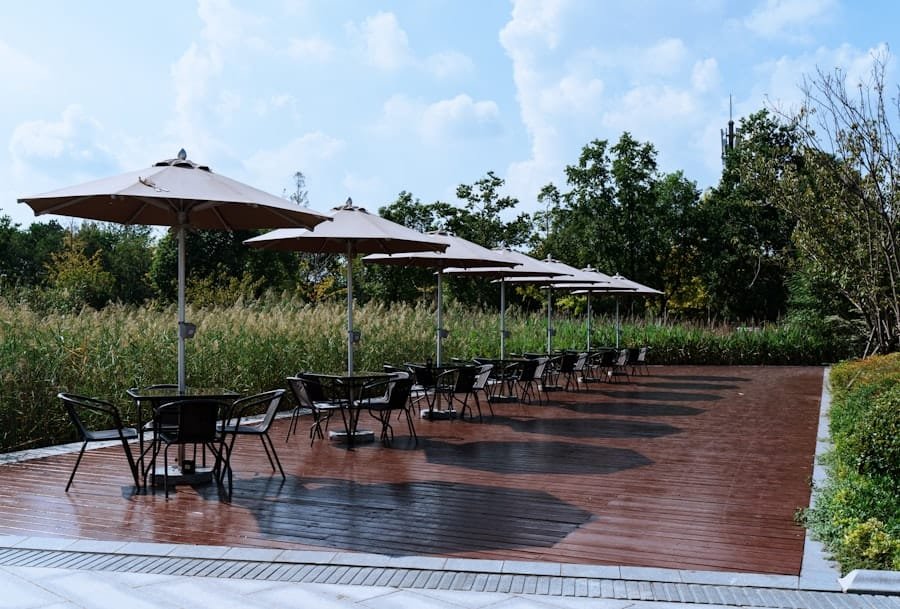
Beyond the core materials and construction, smart design features can significantly enhance a table’s usability and lifespan. These are the little things that make a big difference in day-to-day operations.
Umbrella Holes: Essential for Shade
For most outdoor seating areas, having a place for an umbrella is non-negotiable.
- Proper Sizing: The hole should be large enough to accommodate standard umbrella poles, but not so large that the umbrella feels unstable.
- Reinforced Edges: Look for an umbrella hole that has a metal grommet or reinforced edge to prevent the material of the tabletop from cracking or fraying around the opening. This is especially important for wood or some composite materials.
- Cap or Plug: Many commercial tables come with a cap or plug to cover the umbrella hole when it’s not in use, preserving a clean look and preventing debris from collecting.
Weight and Stability: Staying Put
A table that blows over in the wind is more than just an inconvenience; it can be a safety hazard and a costly replacement.
Intrinsic Weight
As discussed with materials like steel and denser composites, the inherent weight of the table is a primary factor in its stability. Heavy-duty means heavy.
Secure Leg Anchoring
How the legs are attached to the frame is crucial. Look for:
- Wide-Spread Legs: A wider base provides a more stable platform.
- Freestanding vs. Mountable: While freestanding tables are common, some commercial setups might benefit from tables that can be anchored to the ground or to a deck for ultimate security, especially in very exposed areas.
Ease of Maintenance and Cleaning
Practicality extends to how easy it is to keep your tables looking good.
Non-Porous Surfaces
Materials like HPL, powder-coated metal, and recycled plastic are non-porous, meaning they don’t absorb spills or stains. This makes them incredibly easy to wipe down.
Resistance to Fading and Staining
High-quality outdoor finishes and materials are designed to resist the damaging effects of UV rays and common spills like coffee, wine, or grease.
Minimal Assembly
While some assembly might be required, well-designed commercial tables often come with clear instructions and minimal, straightforward steps to get them ready for use.
When considering the best options for outdoor furniture, particularly for commercial settings, it’s essential to explore various styles and materials that can withstand the elements while providing durability and comfort. A great resource for this is an article on Heavy Duty Outdoor Tables for Commercial Use, which offers insights into selecting the right tables that can enhance any outdoor space. For more information, you can check out the article here. This guide not only highlights the benefits of heavy-duty options but also discusses maintenance tips to ensure longevity.
Investing in the Future: The Long-Term View
Choosing commercial-grade, heavy-duty outdoor tables isn’t just about buying furniture; it’s about making a strategic decision that impacts your budget, your operations, and the overall experience you offer.
Reducing Replacement Costs
The most obvious benefit is avoiding the cycle of buying cheap furniture only to have it fall apart. Those repeated purchases add up significantly over time.
Enhancing Customer Experience
Wobbly tables, peeling paint, or splintered wood do not create a positive impression. Durable, well-maintained furniture contributes to a comfortable and professional atmosphere, encouraging customers to stay longer and return.
Minimizing Operational Hassles
Fewer repairs, less frequent replacements, and easier cleaning translate to less time and money spent on furniture management. This frees up your resources and staff to focus on core business activities.
Brand Image and Professionalism
The quality of your outdoor space reflects on your brand. Investing in robust, attractive outdoor tables signals attention to detail and a commitment to quality, which can enhance your establishment’s overall image.
In essence, when you opt for commercial-grade heavy-duty outdoor tables, you’re not just buying a surface to place drinks on. You’re investing in a durable, reliable, and practical solution that will serve your business well for years to come, weathering the seasons and the demands of your customers.
FAQs
What are heavy duty outdoor tables for commercial use?
Heavy duty outdoor tables for commercial use are specifically designed to withstand the rigors of outdoor use in commercial settings such as restaurants, cafes, parks, and other public spaces. These tables are built to be durable, weather-resistant, and able to accommodate heavy use.
What materials are heavy duty outdoor tables typically made of?
Heavy duty outdoor tables are commonly made of materials such as aluminum, steel, or high-density polyethylene (HDPE). These materials are chosen for their durability, resistance to rust and corrosion, and ability to withstand harsh outdoor conditions.
What features should I look for in heavy duty outdoor tables for commercial use?
When selecting heavy duty outdoor tables for commercial use, it’s important to look for features such as sturdy construction, weather-resistant finishes, and easy maintenance. Additionally, consider features like adjustable legs for stability on uneven surfaces and the ability to stack or fold for convenient storage.
How can heavy duty outdoor tables benefit commercial businesses?
Heavy duty outdoor tables can benefit commercial businesses by providing durable and attractive seating options for outdoor dining areas, patios, and other public spaces. These tables can enhance the overall aesthetic of a commercial space while also offering long-lasting performance and low maintenance requirements.
Are heavy duty outdoor tables customizable for specific commercial needs?
Yes, heavy duty outdoor tables for commercial use can often be customized to meet specific needs. This may include options for different sizes, shapes, colors, and finishes to complement the design and layout of a commercial space. Additionally, some manufacturers offer the ability to add custom logos or branding to the tables.