
Choosing the right outdoor furniture material boils down to what matters most to you: durability, maintenance, look, and budget. Each option, from classic wood to modern synthetics, brings its own set of pros and cons to your patio or deck. Let’s break down the most popular choices so you can make an informed decision without the guesswork.
1. Wood: The Timeless Natural Look
Wood offers a classic, warm aesthetic that many people love for their outdoor spaces. It can blend seamlessly with natural surroundings and often ages beautifully if cared for properly. However, not all woods are created equal when it comes to outdoor performance.
1.1 Teak: The Gold Standard (for a Reason)
Teak is often considered the best wood for outdoor furniture, and there’s good reason for its reputation. It’s naturally high in oils and rubber, making it incredibly resistant to rot, insects, and harsh weather conditions like sun and rain.
Durability: Exceptional. Teak can last for decades, even without significant intervention.
Maintenance: Low, if you embrace the patina. Unfinished teak will gradually weather to a soft, silvery-gray color, which many find highly desirable. To maintain its original golden-brown hue, you’d need to regularly clean and apply a teak sealer or oil.
Appearance: Rich golden-brown when new, transforming to a beautiful silvery-gray over time. It offers a luxurious, sturdy feel.
Cost: High. Teak is one of the more expensive options upfront, but its longevity can make it a worthwhile investment.
Eco-friendliness: Look for FSC-certified teak to ensure it’s sourced from sustainably managed forests.
1.2 Cedar: Lightweight and Naturally Resistant
Cedar, particularly Western Red Cedar, is another popular choice. It contains natural oils that give it excellent resistance to rot, decay, and insect infestation. It’s also relatively lightweight compared to other woods.
Durability: Good. It holds up well against the elements but may not have the same decades-long lifespan as teak without more diligent care.
Maintenance: Moderate. Cedar will also weather to a silvery-gray if left untreated. To preserve its reddish-brown color, you’ll need regular cleaning and application of a protective finish or stain.
Appearance: Warm reddish-brown, known for its distinct aromatic scent.
Cost: Mid-range. More affordable than teak, making it a good value for natural resistance.
Eco-friendliness: Often sourced from sustainable forests, especially in North America.
1.3 Acacia: A Sustainable and Stylish Alternative
Acacia is becoming increasingly popular as a sustainable and more affordable hardwood option. It’s known for its hardness and density, which contribute to its outdoor suitability.
Durability: Good. It’s naturally resistant to moisture and some insects, but typically requires more maintenance than teak to maintain its integrity long-term.
Maintenance: Moderate to high. It benefits from regular oiling or sealing to prevent drying, cracking, and to maintain its rich color. Without it, it can fade and show signs of wear more quickly than teak.
Appearance: Varies depending on the species, but generally features beautiful grain patterns with colors ranging from light to dark brown.
Cost: Mid-range. Generally more affordable than teak and comparable to cedar.
Eco-friendliness: Grows relatively fast, making it a more sustainable choice if sourced responsibly.
1.4 Eucalyptus: Fast-Growing and Economical
Eucalyptus is a fast-growing hardwood that’s gaining traction in outdoor furniture. It’s denser than some other woods and possesses natural oils that offer some protection against moisture and insects.
Durability: Moderate. It’s suitable for outdoor use but generally not as resistant as teak or cedar without consistent care. It can be prone to cracking or checking if not properly maintained.
Maintenance: High. Regular oiling or sealing is crucial to prevent drying out, fading, and splitting. It will weather to a gray if left untreated.
Appearance: Ranges from a pinkish-brown to reddish-brown, often with a smooth grain.
Cost: Budget-friendly. It’s one of the more economical hardwood choices.
Eco-friendliness: Rapid growth makes it a highly renewable resource.
If you’re considering investing in outdoor furniture, it’s essential to understand the various materials available and their benefits. For a deeper dive into the topic, check out the article on Outdoor Furniture Materials Compared: Wood, Metal, Rattan and More. This comprehensive guide will help you make an informed decision based on durability, maintenance, and style preferences. To explore more about outdoor furniture options, visit this related article.
2. Metal: Sturdy, Modern, and Low Maintenance
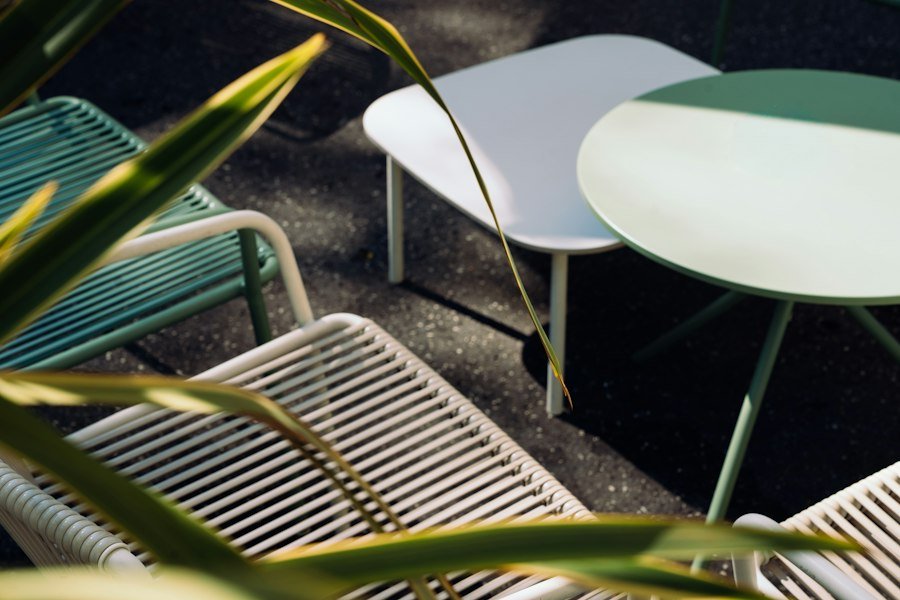
Metal furniture offers a sleek, contemporary look and is often praised for its durability and relatively low maintenance. The type of metal significantly impacts its performance and longevity outdoors.
2.1 Aluminum: Lightweight and Rust-Proof
Aluminum is a top contender for outdoor furniture, especially for its rust-proof properties. It’s lightweight, making it easy to move around, and very durable when properly constructed.
Durability: Excellent. It won’t rust, making it ideal for wet climates or poolside use. It can withstand significant temperature fluctuations.
Maintenance: Very low. Powder-coated aluminum only needs occasional cleaning with soap and water. Scratches on painted aluminum can expose the raw metal, but it won’t rust.
Appearance: Modern and versatile. Available in a huge range of finishes and colors through powder coating. Can be cast into ornate designs or kept very minimalist.
Cost: Mid to high-range. Good quality aluminum furniture is an investment but generally lasts a long time.
2.2 Wrought Iron: Heavy, Classic, and Robust
Wrought iron evokes a sense of timeless elegance and robustness. Its substantial weight means it won’t easily blow away in strong winds, making it a good choice for exposed areas.
Durability: Very high. It’s incredibly strong and stable. However, unprotected wrought iron is highly susceptible to rust.
Maintenance: Moderate to high. It requires regular painting or powder coating to prevent rust. Scratches or chips in the finish must be addressed quickly to avoid rust spots. If rust does appear, it needs to be sanded, primed, and repainted.
Appearance: Traditional, often with intricate, decorative designs. Heavy and substantial feel.
Cost: Mid-range to high, depending on the craftsmanship.
2.3 Stainless Steel: Premium and Contemporary
Stainless steel is an upscale option for outdoor furniture, known for its exceptional corrosion resistance and sleek, modern aesthetic.
Durability: Excellent. It’s highly resistant to rust, corrosion, and extreme temperatures. Marine-grade stainless steel (316L) offers the best performance, especially in coastal environments.
Maintenance: Low. Typically only needs regular cleaning with mild soap and water to remove dirt and smudges. Fingerprints can sometimes be visible on polished surfaces.
Appearance: Contemporary, industrial, and sophisticated. Its natural luster is a key design element.
Cost: High. It’s often the most expensive metal option, reflecting its superior properties.
3. Rattan and Wicker: Natural vs. Synthetic
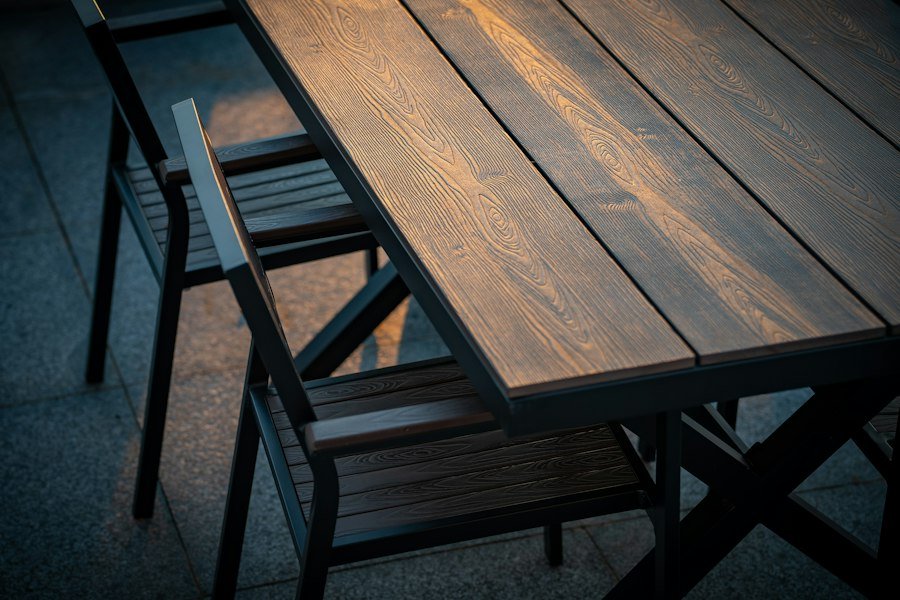
When people talk about rattan or wicker, they’re often referring to a style of furniture rather than a single material. It’s crucial to distinguish between natural fibers and their synthetic counterparts for outdoor use.
3.1 Natural Rattan/Wicker: Beautiful, But Best for Covered Areas
Natural rattan is a vine-like palm that grows in tropical regions. Wicker is a weaving technique, often applied to rattan, willow, or bamboo. While beautiful, natural materials have limitations outdoors.
Durability: Moderate for outdoor use, but significantly reduced if exposed to direct sun and rain. It can dry out, crack, become brittle, and is susceptible to mold and mildew.
Maintenance: High for outdoor use. Requires protection from the elements. Needs regular cleaning to prevent mold.
Appearance: Organic, warm, and tropical. Creates a light, airy feel.
Cost: Mid-range.
Suitability for Outdoors: Best for covered patios, screened porches, or sunrooms where it’s protected from direct weather. Not recommended for fully exposed outdoor settings.
3.2 Synthetic Rattan (All-Weather Wicker): The Outdoor Champion
Often called “all-weather wicker” or “resin wicker,” this material is typically made from polyethylene (HDPE). It’s designed to mimic the look of natural rattan but with superior outdoor performance.
Durability: Excellent. It’s highly resistant to UV rays, moisture, fading, cracking, and rot. It can withstand a wide range of temperatures.
Maintenance: Very low. Easily cleaned with soap and water. It’s colorfast and doesn’t require special treatments.
Appearance: Comes in various colors and weaves to convincingly replicate natural rattan. Offers a comfortable, traditional, or contemporary feel depending on the design.
Cost: Mid-range to high, with quality varying greatly based on the grade of HDPE used and the frame material (often aluminum).
Suitability for Outdoors: Highly recommended for all outdoor conditions, from full sun to heavy rain.
If you’re looking to enhance your garden space, consider investing in Outdoor Furniture. The right Outdoor Furniture can transform your patio into a cozy retreat. Discover a wide range of styles and materials for Outdoor Furniture that suits your taste.
4. Plastics and Composites: Modern, Versatile, and Often Eco-Friendly
Advances in material science have led to robust and attractive plastic and composite options for outdoor furniture. These often prioritize low maintenance and innovative designs.
4.1 High-Density Polyethylene (HDPE): Recycled and Resilient
HDPE lumber, often made from recycled milk jugs and detergent bottles, is a fantastic option for outdoor furniture. It’s solid, heavy, and extremely resistant to the elements.
Durability: Exceptional. It will not rot, crack, splinter, fade, or require painting. It’s impervious to insects and moisture.
Maintenance: Extremely low. A simple wipe-down with soap and water is usually all that’s needed.
Appearance: Mimics painted wood, available in a wide array of colors that permeate the material, so scratches don’t reveal a different color underneath. It has a slightly textured finish.
Cost: High. The manufacturing process and durability make it a premium choice, but its longevity often justifies the investment.
Eco-friendliness: Often made from recycled plastics, making it a very environmentally friendly option.
4.2 Polypropylene (PP): Lightweight and Economical
Polypropylene is a widely used thermoplastic polymer known for its lightweight nature and strength. It’s often molded into various furniture shapes.
Durability: Good. It’s resistant to moisture, chemicals, and some UV. However, prolonged exposure to intense UV rays can lead to fading and becoming brittle over time. Quality varies.
Maintenance: Low. Easy to clean.
Appearance: Can range from simple, utilitarian designs to more stylish, sculpted forms. Available in many colors.
Cost: Budget-friendly. One of the most affordable options for outdoor furniture.
Eco-friendliness: Recyclable, but check local recycling facilities for specifics.
4.3 Fiberglass and Concrete Composites: Unique and Architectural
These materials offer a distinct, often minimalist or sculptural aesthetic. Fiberglass is strong and relatively lightweight, while concrete composites provide substantial weight and a raw, industrial look.
Durability: Excellent. Both are extremely durable and resistant to weather, although concrete can develop minor surface cracks over time (which some consider part of its charm). Fiberglass is very strong but can sometimes scratch.
Maintenance: Low. Generally only requires cleaning with soap and water. Concrete may benefit from sealing to prevent stains.
Appearance: Fiberglass offers smooth, often glossy surfaces in various colors, allowing for intricate designs. Concrete composites are heavy, natural, and minimalist, with a raw, earthy appeal.
Cost: High. These are specialized materials often used for designer or custom pieces.
When considering the best materials for outdoor furniture, it’s essential to explore various options and their benefits. For instance, if you’re interested in innovative designs that withstand challenging weather conditions, you might find the article on floodproof innovations particularly insightful. This resource delves into how certain outdoor furniture can maintain resilience and functionality, complementing your understanding of materials like wood, metal, and rattan.
5. Fabric and Cushions: Comfort and Critical Details
While not a structural material, the choice of fabric for cushions and slings is just as important for outdoor furniture’s comfort, durability, and aesthetics.
5.1 Solution-Dyed Acrylic (e.g., Sunbrella): The Gold Standard
Solution-dyed acrylic fabrics are made by adding dye to the liquid acrylic solution before fibers are formed. This means the color goes all the way through the fiber, not just on the surface.
Durability: Excellent. Highly resistant to fading, UV degradation, water, mildew, and stains. It’s designed to withstand harsh outdoor conditions.
Maintenance: Moderate. While resistant, it still needs regular cleaning to prevent dirt buildup and mildew growth. Most stains can be spot-cleaned, and covers are often machine washable.
Appearance: Wide range of colors, patterns, and textures, maintaining vibrancy for years. Feels soft and comfortable.
Cost: High. This is a premium fabric option, but its longevity and performance make it a worthy investment.
5.2 Polyester and Olefin: Good Performance for the Price
Polyester and Olefin (also known as polypropylene) are synthetic fabrics that offer good outdoor performance at a more accessible price point than solution-dyed acrylics.
Durability: Good. Both are resistant to water, mildew, and some fading. Olefin is generally more colorfast and resistant to chemicals than standard polyester.
Maintenance: Moderate. Regular cleaning helps prevent mildew and dirt. Can fade over time with prolonged sun exposure, especially polyester.
Appearance: Available in many colors and patterns. Polyester can sometimes feel a bit stiffer than acrylic.
Cost: Mid-range. A good balance of performance and affordability.
5.3 Quick-Dry Foam and Proper Drainage
Beyond the fabric, the internal components of your cushions matter. Look for cushions made with “quick-dry” or “open-cell” foam. This type of foam allows water to pass through quickly rather than being absorbed and held, preventing mildew and speeding up drying times. Additionally, furniture designed with proper drainage (slatted tops, gaps in frames) will help keep cushions dry and extend their life.
Choosing the right outdoor furniture material involves weighing your priorities. Consider your local climate, how much maintenance you’re willing to do, your desired aesthetic, and your budget. With a clear understanding of these materials, you can create an outdoor space that’s both beautiful and built to last.
FAQs
What are the advantages of using wood for outdoor furniture?
Wood is a popular choice for outdoor furniture due to its natural beauty, durability, and versatility. It can be easily customized with different finishes and stains, and it is known for its classic and timeless look.
Is metal a good material for outdoor furniture?
Metal is a great option for outdoor furniture because it is durable, weather-resistant, and low-maintenance. It can withstand various weather conditions and is available in a wide range of styles and designs.
Why is rattan a popular choice for outdoor furniture?
Rattan is a popular choice for outdoor furniture because it is lightweight, flexible, and stylish. It gives a natural and tropical look to outdoor spaces and is often used in creating comfortable and inviting outdoor seating areas.
What are the benefits of using plastic for outdoor furniture?
Plastic outdoor furniture is lightweight, affordable, and easy to clean. It is also resistant to moisture, fading, and insects, making it a practical choice for outdoor settings.
Are there any eco-friendly options for outdoor furniture materials?
Yes, there are eco-friendly options for outdoor furniture materials such as bamboo, reclaimed wood, and recycled plastic. These materials are sustainable, renewable, and help reduce the environmental impact of outdoor furniture production.