
Looking for outdoor cushions that actually last through the rain, sun, and whatever else Mother Nature throws at them? The secret lies in understanding material science – specifically, the fabric, fill, and construction. Choosing wisely means your cushions will stay comfortable and look good for many seasons, instead of needing replacement every year. It’s all about picking components designed to defy the elements, ensuring you get the most out of your investment and enjoy your outdoor space without constant worry about soggy, faded cushions.
1. Fabric First: The Front Line Against the Elements
The outer fabric is your cushion’s primary defense, so this is where you really need to pay attention. Not all outdoor fabrics are created equal, and some are far more resilient to the sun’s UV rays, moisture, and potential mildew growth than others. Understanding the differences is crucial for long-term satisfaction.
1.1 Solution-Dyed Acrylic: The Gold Standard
When it comes to outdoor fabrics, solution-dyed acrylic is often considered the top-tier choice. Brands like Sunbrella and Outdura are excellent examples of this. The key here is “solution-dyed,” which means the color is added to the acrylic fibers before they are spun into yarn. Imagine a carrot – it’s orange all the way through, not just on the surface. That’s how solution-dyed acrylic works.
- Fade Resistance: Because the color is integral to the fiber, it resists fading significantly better than fabrics where the dye is applied after weaving. This means your cushions will maintain their vibrant look even after prolonged exposure to intense sunlight, which is a major concern for outdoor longevity.
- Water Resistance: While not entirely waterproof, solution-dyed acrylic fabrics are highly water-resistant. They are typically treated with a durable water repellent (DWR) finish that causes water to bead up and roll off, preventing it from soaking into the fabric quickly. This is crucial for preventing mildew.
- Mildew Resistance: Since the fabric itself doesn’t absorb much moisture, it creates a less hospitable environment for mildew to grow. If mildew does appear (usually from surface dirt), it can generally be cleaned off without damaging the fabric.
- Durability: These fabrics are engineered to be tough, resisting tears, abrasions, and pilling, standing up well to regular use in an outdoor setting.
- Ease of Cleaning: Most spills and dirt can be easily cleaned with mild soap and water, and tougher stains often come out with specialized cleaners without compromising the fabric’s integrity or color.
1.2 Olefin (Polypropylene): A Solid Contender
Olefin, also known as polypropylene, is another strong performer in the outdoor fabric arena, offering a great balance of performance and affordability. Like solution-dyed acrylic, it’s a synthetic fiber.
- Fade Resistance: While generally not as fade-resistant as top-tier solution-dyed acrylic, solution-dyed olefin still performs very well against UV rays. Again, look for “solution-dyed” to ensure the best color retention.
- Water Resistance: Olefin inherently repels water and dries quickly. It doesn’t absorb moisture, which makes it an excellent choice for areas prone to rain or humidity.
- Mildew Resistance: Due to its low moisture absorption, olefin is naturally resistant to mildew and rot.
- Durability: It’s a strong, lightweight fabric that resists abrasions and many chemicals, making it quite durable for outdoor use.
- Affordability: Olefin is typically less expensive than solution-dyed acrylic, making it a good value option for those seeking weather-resistant cushions on a slightly tighter budget.
1.3 Polyester: Decent, But With Caveats
Polyester is widely used, and you’ll find it in many outdoor cushion options. However, its performance varies significantly depending on how it’s treated and dyed.
- Fade Resistance: Regular dyed polyester will fade over time, especially in direct sunlight. If you opt for polyester, look for “solution-dyed polyester” or polyester with a high UV resistance rating. This significantly improves its ability to hold color.
- Water Resistance: Untreated polyester will absorb water, becoming soggy and taking longer to dry. For outdoor use, polyester must be treated with a water-repellent coating. This coating will degrade over time, requiring reapplication or leading to reduced performance.
- Mildew Resistance: Because it can absorb moisture if not properly treated or if the treatment wears off, polyester can be more susceptible to mildew growth than acrylic or olefin.
- Durability: It’s a strong fiber, resistant to stretching and shrinking, but its outdoor performance heavily relies on its specific treatments.
- Cost: Polyester is generally the most budget-friendly option, which is why it’s so common. Just be aware of the trade-offs.
When selecting outdoor cushions that can withstand various weather conditions, it’s essential to consider not only the materials but also the overall design and functionality. For further insights on enhancing your outdoor space, you may find the article on outdoor furniture tips particularly helpful. You can read more about it here: Outdoor Furniture Tips. This resource provides valuable information on maintaining your outdoor furniture, ensuring longevity and comfort in your outdoor living areas.
2. Filling Fundamentals: What’s Inside Matters
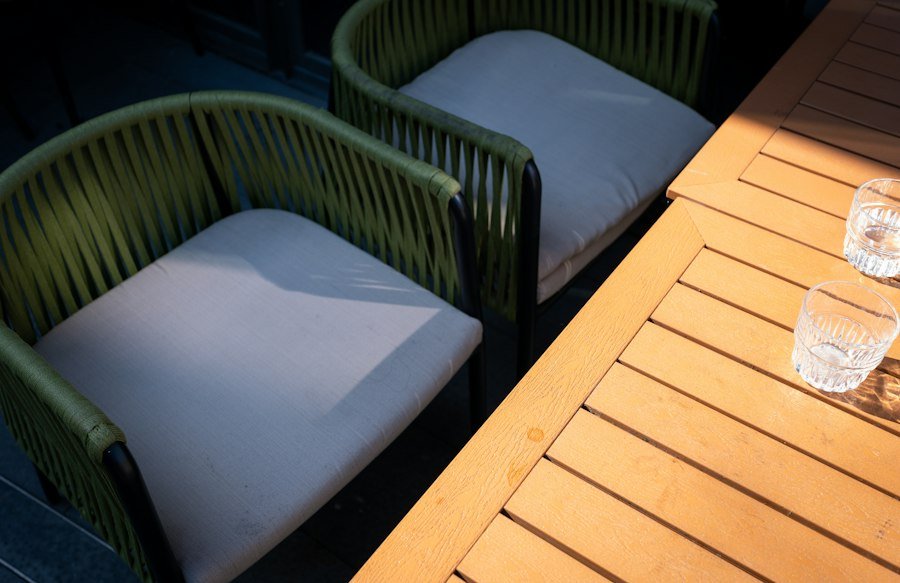
The fabric protects the outside, but the filling determines comfort, how well the cushion drains, and its ability to resist mildew and maintain its shape. A poor filling can quickly lead to a lumpy, uncomfortable, and mildew-ridden cushion, even if the fabric is excellent.
2.1 Open-Cell Foam: Best for Drainage
For outdoor cushions, open-cell foam is generally the preferred choice. The “open-cell” structure means it has interconnected pores that allow water to flow through it and air to circulate freely.
- Quick Drying: This is its main advantage. When it rains, water passes through the foam rather than being absorbed and held. This allows for rapid drying, which is essential for preventing mold and mildew growth.
- Comfort: Open-cell foam offers a comfortable, springy feel, conforming slightly to the body without losing its shape.
- Mildew Resistance: Because it doesn’t hold water, it’s far less prone to developing mildew from within, which can be a major problem for cushions that stay damp.
- Longevity: High-quality open-cell foam will retain its loft and shape much longer than less suitable alternatives, preventing your cushions from becoming flat and saggy.
2.2 Polyester Fiberfill: The Fluffy Option
Polyester fiberfill (often looks like fluffy batting) is common, especially in back cushions or softer seat cushions.
- Comfort: It can provide a soft, plush feel, which is great for lounging.
- Drainage (with caveats): High-quality, specialized outdoor polyester fiberfill is designed to drain reasonably well. However, standard polyester fiberfill can hold onto water. If it clumps and stays wet, it becomes a breeding ground for mildew.
- Loft Retention: Over time, especially if it gets wet and dries repeatedly, polyester fiberfill can flatten and clump, losing its loft and becoming less comfortable and supportive.
- Consideration: If you choose cushions with polyester fiberfill, ensure they are constructed with excellent drainage features (like mesh bottoms) and that the outer fabric is highly water-resistant to minimize water penetration.
2.3 Avoiding Regular Indoor Foam
Never use standard indoor foam for outdoor cushions. Indoor foam is typically closed-cell or has a very dense open-cell structure that traps water.
- Water Retention: It will act like a sponge, holding onto water for extended periods.
- Mildew Magnet: This retained moisture creates the perfect environment for mold and mildew to flourish rapidly, leading to foul odors, deterioration of the foam, and health concerns.
- Slow Drying: Cushions made with indoor foam will take days, if not weeks, to dry out completely after a rain, rendering them unusable and unsightly.
3. Construction and Design: Beyond the Obvious
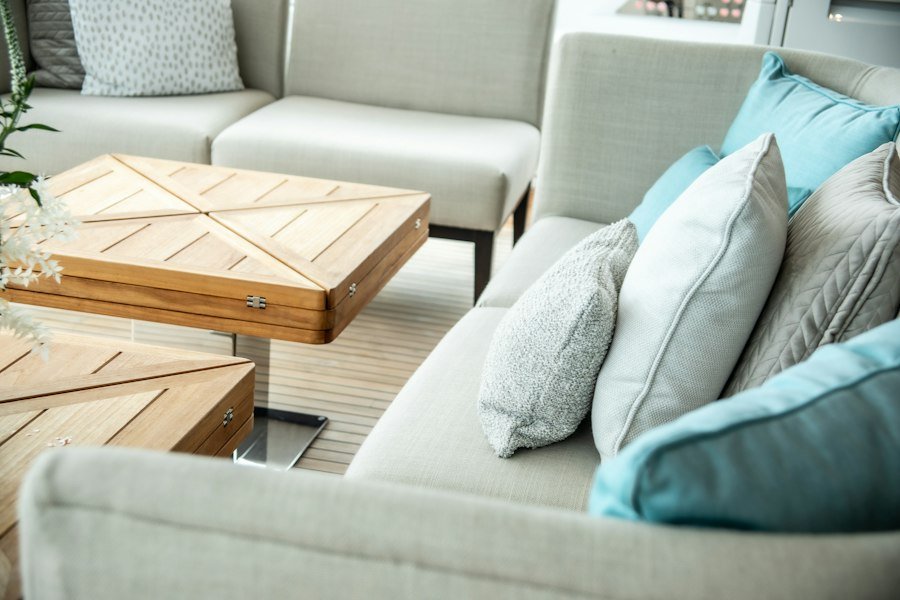
The way a cushion is put together can significantly impact its weather resistance and longevity, regardless of the fabric and fill. These details might seem small, but they make a big difference.
3.1 Zippers and Seams: Weak Points or Strengths?
The stitching and zippers are potential entry points for water, so their quality is paramount.
- Marine-Grade Zippers: Look for zippers made from non-corrosive materials like nylon or plastic. Metal zippers will rust and seize up when exposed to outdoor elements. Marine-grade zippers are designed for harsh environments and usually have larger, more robust teeth.
- Hidden Zippers/Flaps: A zipper hidden under a fabric flap provides an extra layer of protection against direct rain exposure, minimizing water ingress.
- Double-Stitched Seams: Double-stitching or reinforced seams add durability and prevent tearing.
- UV-Resistant Thread: The thread used to sew the cushion together should also be UV-resistant, typically polyester or nylon, to prevent it from degrading and falling apart in the sun. If the thread rots, the cushion will literally unravel.
3.2 Drainage Features: Essential for Moisture Management
Even with water-resistant fabric, some moisture will inevitably get in. How it gets out is key.
- Mesh Bottoms: Some high-end outdoor cushions incorporate a mesh panel on the bottom. This allows any water that penetrates the fabric to drain out quickly and promotes airflow for faster drying.
- Ventilation Holes: Smaller cushions might have discreet ventilation holes to aid in air circulation and drying.
- Piping: While decorative, piping can sometimes trap water. High-quality cushions will use weather-resistant piping material and design it to shed water effectively.
3.3 Ties and Fasteners: Keeping Them in Place
Outdoor cushions often come with ties or straps to secure them to furniture.
- Strong, UV-Resistant Ties: Ensure ties are made from the same durable, UV-resistant fabric or webbing as the cushion itself. Flimsy ties will degrade and break quickly.
- Velcro or Buckles: Some cushions use Velcro straps or buckles, which can be more secure in windy conditions. Again, check for weather-resistant materials.
- Placement: The placement of ties should be appropriate for your furniture to ensure the cushions stay put and don’t blow away or slide around.
Discover a wide range of Outdoor Furniture that suits your style and budget. Transform your garden into a relaxing oasis with our premium Outdoor Furniture collection. Visit our website to explore the latest trends in Outdoor Furniture for your home.
4. Care and Maintenance: Prolonging the Life of Your Cushions
Even the best outdoor cushions benefit from a little TLC. Proper care can significantly extend their lifespan and keep them looking their best.
4.1 Regular Cleaning: Preventing Buildup
Don’t wait until your cushions are visibly dirty to clean them. Regular cleaning prevents grime and organic matter from accumulating, which can lead to mildew and degradation.
- Brush Off Loose Debris: Use a soft brush or a vacuum cleaner with an upholstery attachment to remove dirt, leaves, pollen, and pet hair regularly.
- Spot Clean Promptly: Address spills and stains immediately. Blot (don’t rub) liquids with a clean cloth. For most outdoor fabrics, a solution of mild soap (like dish soap) and water can be used for spot cleaning. Rinse thoroughly.
- Deep Cleaning: For a more thorough clean, follow the manufacturer’s specific instructions. Many solution-dyed acrylic fabrics can be cleaned with a bleach solution for tough mildew stains (check the label first!), but always test in an inconspicuous area.
- Air Dry Completely: After any cleaning, ensure the cushions are thoroughly air-dried before storing them or putting them back on furniture. Standing them on their sides can help with airflow.
4.2 Storage: Out of Season Protection
When your outdoor season ends, proper storage is crucial.
- Clean and Dry: Always ensure cushions are completely clean and dry before storing them. Storing damp cushions is an open invitation for mold and mildew.
- Protective Covers: If you don’t have indoor storage space, invest in high-quality, breathable storage bags or a waterproof deck box. Breathable covers prevent moisture buildup, while waterproof boxes protect from rain. Avoid airtight plastic bags, as these can trap any residual moisture.
- Elevate: If storing in a garage or shed, try to elevate them off the concrete floor to protect against dampness and pests.
- Pest Control: Ensure your storage area is free from rodents and insects that could damage the fabric or filling.
4.3 Winterizing and Weather Events: Extra Precautions
For periods of extreme weather or prolonged non-use, taking extra steps pays off.
- Bring Indoors: During heavy rainstorms, prolonged periods of dampness, or winter, bringing cushions indoors is always the best option if possible.
- Waterproof Covers: If bringing them inside isn’t feasible, invest in furniture covers that completely enclose your furniture and cushions. These should be waterproof and ideally breathable.
- Prop Them Up: Even during a short rain shower, if you can, prop cushions on their sides or edges to allow water to drain off rather than pooling.
When selecting outdoor cushions that can withstand various weather conditions, it’s also beneficial to consider how they complement your overall outdoor aesthetic. For inspiration on enhancing your outdoor space, you might find the article on elevating your outdoors with BT Mart particularly helpful. It offers insights into choosing the right furniture and accessories that not only look great but also endure the elements. You can read more about it here.
5. Budget vs. Longevity: Making the Right Investment
It’s tempting to go for the cheapest option, but with outdoor cushions, a slightly higher initial investment usually saves you money and hassle in the long run.
5.1 The Cost of Cheap Cushions
Buying inexpensive cushions often means you’re getting fabrics like basic polyester or cotton blends, and fillings that aren’t designed for outdoor use.
- Frequent Replacement: These cushions will fade quickly, absorb water, develop mildew, and break down much faster. You’ll likely be buying new cushions every year or two, making the “cheap” option more expensive over time.
- Diminished Appearance: Your outdoor space will look worn out and uninviting as the cushions deteriorate.
- Discomfort: Saggy, mildewed cushions aren’t just unsightly; they’re also uncomfortable and potentially unhealthy.
5.2 The Value of Quality
Investing in cushions made with solution-dyed acrylic or olefin fabrics and open-cell foam filling comes with a higher upfront cost, but significant long-term benefits.
- Extended Lifespan: High-quality cushions can last five to ten years, or even longer with proper care, spreading your initial investment over many seasons.
- Maintained Appearance: They retain their color and shape, keeping your outdoor living area looking fresh and inviting for years.
- Superior Comfort and Hygiene: They remain comfortable and resist mildew, ensuring a pleasant and healthy lounging experience.
- Less Hassle: You spend less time worrying about rain, cleaning tough stains, or constantly replacing worn-out cushions.
5.3 Finding the Sweet Spot
If top-tier solution-dyed acrylic is out of your budget, look for solution-dyed olefin. It provides excellent weather resistance at a more approachable price point. Always prioritize cushions with open-cell foam or specialized outdoor fiberfill for the interior. Check for robust construction, including marine-grade zippers and UV-resistant thread. Remember, buying a good quality product once is almost always better than buying a cheap product repeatedly. Your outdoor oasis deserves cushions that can truly handle the weather.
FAQs
1. Can all outdoor cushions withstand different weather conditions?
Not all outdoor cushions are designed to handle various weather conditions. It is important to look for cushions specifically labeled as weather-resistant or outdoor cushions that are made from materials such as Sunbrella fabric, which is known for its durability and resistance to fading, mold, and mildew.
2. How can I protect my outdoor cushions from the sun?
To protect your outdoor cushions from the sun, consider choosing cushions with UV-resistant fabric or treating them with a UV protectant spray. Additionally, storing the cushions in a shaded area when not in use or investing in a storage box can help prolong their lifespan.
3. What materials are best for outdoor cushions that can handle the weather?
Materials such as Sunbrella fabric, solution-dyed acrylic, polyester blends, and PVC-coated polyester are known for their durability and ability to withstand various weather conditions. These materials are resistant to fading, mold, mildew, and moisture, making them ideal for outdoor use.
4. How should I clean outdoor cushions that are exposed to the weather?
To clean outdoor cushions that are exposed to the weather, start by brushing off any dirt or debris. Then, mix a solution of mild soap and water and gently scrub the cushions with a soft brush. Rinse thoroughly with water and allow the cushions to air dry completely before using them again.
5. Are there any additional tips for maintaining outdoor cushions in different weather conditions?
Yes, to maintain outdoor cushions in different weather conditions, it is recommended to regularly clean them, store them in a dry place during inclement weather, and use furniture covers when not in use. Additionally, flipping and rotating the cushions periodically can help prevent uneven wear and prolong their lifespan.