
Looking for an outdoor sofa can feel like a big decision, especially with so many options out there. The short answer to what you should look for boils down to durability, comfort, maintenance, and how well it fits your space and lifestyle. It’s not just about what looks good in the showroom, but what will genuinely hold up to the elements and provide a relaxing spot for years to come.
Picking the Right Frame Material
The foundation of any good outdoor sofa is its frame. This is what gives it structure and determines a huge chunk of its lifespan, especially when faced with sun, rain, and everything in between. You’ve got a few solid choices here, each with its own set of pros and cons.
1. Aluminum Frames
Aluminum is a fantastic choice for outdoor furniture frames, and for good reason. It’s naturally rust-resistant, which is a massive plus when dealing with moisture. It’s also surprisingly lightweight, making it easy to move your sofa around if you like to rearrange your patio or need to store it away for winter. Look for powder-coated aluminum, which adds an extra layer of protection against scratches and corrosion, and typically comes in a wider range of colors.
2. Steel Frames
While steel is incredibly strong and durable, it’s more susceptible to rust than aluminum. If you’re considering steel, always opt for stainless steel or steel that’s been specially treated for outdoor use, like galvanized or powder-coated steel. Untreated steel will rust quickly, especially in humid climates, staining your patio and weakening the frame. It’s generally heavier than aluminum, which can be a pro if you’re in a windy area and want something less likely to blow away, but a con if you need to move it often.
3. Woven Resin Wicker
Often confused with natural wicker, resin wicker (also known as all-weather wicker) is a synthetic material, usually made from PVC, polyethylene (PE), or high-density polyethylene (HDPE). HDPE is generally considered the best of the bunch due to its superior UV resistance and durability, meaning it won’t crack, fade, or become brittle as quickly. Resin wicker is woven over an aluminum or steel frame, offering a classic look with modern resilience. It’s generally low maintenance and weather-resistant, though cheaper versions can degrade over time.
4. Teak Wood Frames
Teak is the gold standard for outdoor wood furniture. It’s naturally rich in oils and rubber, making it incredibly resistant to rot, pests, and the elements. Over time, unfinished teak will develop a beautiful silvery-gray patina, which many people adore. If you prefer to maintain its original warm honey color, you’ll need to regularly treat it with a teak sealer. While teak is expensive, its longevity and natural beauty often justify the investment.
5. Other Wood Options
Besides teak, you might find outdoor sofas made from eucalyptus, acacia, or cedar. These are generally more budget-friendly than teak. However, they require more maintenance to last, often needing regular sealing or oiling to protect them from moisture and UV damage. Left untreated, they can crack, warp, and rot more easily than teak. If you’re going this route, be prepared for more upkeep.
When considering the purchase of an outdoor sofa, it’s essential to be well-informed about the various options available to you. For additional insights, you might find the article on the BT Marts Collection of Outdoor Furniture particularly helpful. It provides a comprehensive overview of different styles and materials that can enhance your outdoor space. You can read more about it here: BT Marts Collection of Outdoor Furniture.
Cushion Talk: Comfort and Resilience
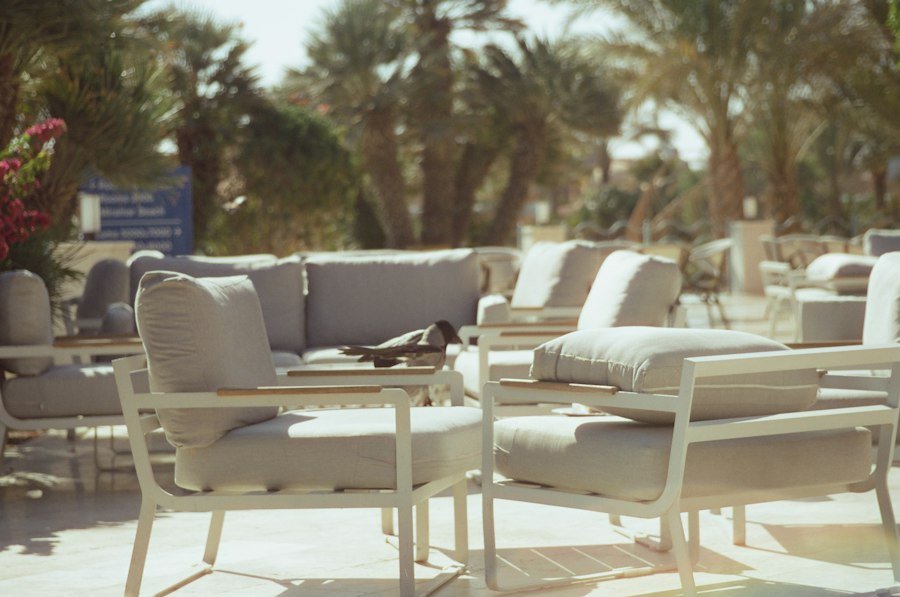
Let’s be real: an outdoor sofa is only as good as its cushions. They provide the comfort and are often the most visible part, so their material and construction are super important for both lounging and longevity.
6. Fabric Durability and Fade Resistance
The sun’s UV rays are a cushion’s worst enemy, causing colors to fade and fabrics to break down. Look for fabrics specifically designed for outdoor use, like solution-dyed acrylics (e.g., Sunbrella, Outdura). These fabrics have the color infused into the fibers before they’re woven, making them incredibly fade-resistant. Polyester is another common outdoor fabric, but often less fade-resistant than acrylics unless treated with UV stabilizers. Vinyl can also be used, offering excellent water resistance but sometimes feeling less comfortable.
7. Water Resistance and Mildew Protection
Outdoor cushions are going to get wet. The key is how quickly they dry and how well they resist mildew. High-quality outdoor fabrics are typically water-resistant, meaning water beads up and rolls off rather than immediately soaking in. However, they are not entirely waterproof (unless they’re vinyl or a specialty fabric). The cushion filling also plays a crucial role.
8. Cushion Filling and Drainage
The best outdoor cushions use open-cell foam, which allows water to drain through easily and helps them dry faster. Closed-cell foam, while waterproof, can be too firm and uncomfortable for seating cushions. Some high-end cushions even incorporate a mesh panel or vent on the underside to promote airflow and quicker drying. Avoid cushions that feel overly dense and heavy when wet, as these will take ages to dry and are prime candidates for mildew growth.
9. Removable and Washable Covers
This is a huge practical point. Life happens, and outdoor cushions will get dirty. Opt for cushions with zippered covers that can be easily removed and machine washed. This makes maintenance a breeze and helps keep your sofa looking fresh year after year. Check the care instructions for the specific fabric, as some may require spot cleaning or gentle cycles.
Size and Configuration Considerations
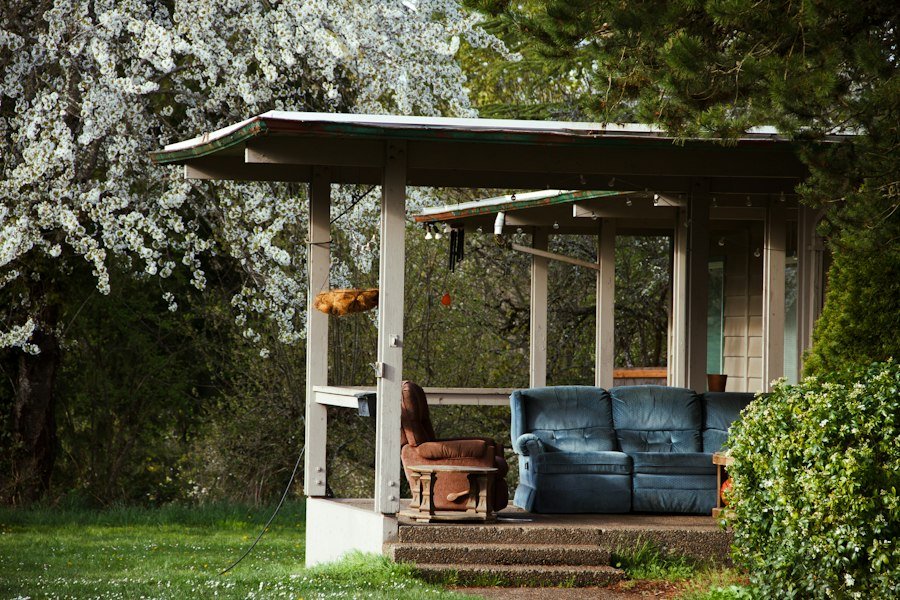
Before you even start looking at styles, you need to measure your space and think about how you’ll actually use your outdoor sofa. A beautiful sofa that doesn’t fit or function well is just a very expensive problem.
10. Measuring Your Space
Grab a tape measure and get accurate dimensions of your patio, deck, or balcony. Don’t forget to account for walkways, other furniture, and any doors or gates that need to open freely. Remember to leave enough room for people to comfortably walk around the sofa without feeling cramped. Use painter’s tape or even newspaper on the ground to map out the potential footprint of the sofa to get a visual sense of the scale.
11. Seating Capacity Needs
How many people do you typically need to seat outdoors? A small two-seater might be perfect for a cozy balcony, while a large sectional could be ideal for entertaining a crowd. Think about your lifestyle: do you host frequent parties, or is it mostly just you and one other person enjoying a quiet evening? Be realistic about your needs.
12. Modular vs. Fixed Designs
Outdoor sofas come in both fixed, one-piece designs and modular configurations. Modular sets are incredibly versatile, allowing you to arrange individual pieces (like armless chairs, corner pieces, and ottomans) to create a layout that perfectly suits your space and can be reconfigured as your needs change. Fixed sofas are often simpler to assemble and can sometimes be more stable, but lack the flexibility.
13. High-Traffic Areas and Placement
Consider where the sofa will sit. If it’s in a highly trafficked area, you might want a more robust material or a design that can withstand more wear and tear. If it’s under an overhang or in a more protected spot, you might have a bit more leeway with materials. Also, think about sun exposure throughout the day – will it be constantly baking in direct sun, or will it get some shade? This can influence fabric and frame choices.
If you’re looking to enhance your garden space, consider investing in Outdoor Furniture that combines style and durability. The right Outdoor Furniture can transform your patio into a cozy retreat. Explore a wide range of Outdoor Furniture options to suit your style and budget.
Maintenance and Longevity
Nobody wants to buy an outdoor sofa only to have it fall apart after a season or become a full-time cleaning project. Thinking about maintenance upfront will save you headaches later.
14. Cleaning Routines
Different materials have different cleaning needs. Resin wicker and aluminum are generally easy to clean with just soap and water. Teak may require occasional scrubbing to prevent mildew or specialized cleaning if you’re maintaining its original color. Outdoor fabrics, as mentioned, are best if they have removable, washable covers. Always check the manufacturer’s cleaning recommendations, as using the wrong products can damage materials or void warranties.
15. Protecting from the Elements
Even the most durable outdoor furniture benefits from some protection. Investing in good quality outdoor covers is a smart move, especially during extended periods of non-use or during harsh weather. If possible, storing cushions indoors or in a deck box when not in use will significantly extend their life. For regions with severe winters, consider storing the entire sofa in a shed or garage.
16. UV Resistance for All Components
We often think about UV resistance for fabrics, but it’s important for frames too. Cheaper plastics in resin wicker can become brittle and crack under prolonged UV exposure. Powder-coated finishes on metal frames can also fade or chip if not high quality. Look for specific mentions of UV stabilizers or UV-resistant properties for all components.
17. Warranty Information
A good warranty is a sign of a manufacturer’s confidence in their product. Pay attention to the length of the warranty and what it covers. Are cushions covered for fading? Is the frame covered for structural integrity? Understand the terms and conditions before you buy, as a strong warranty can provide peace of mind.
When considering the perfect outdoor sofa for your space, it’s essential to also think about the durability and resilience of the materials used, especially in varying weather conditions. For insights on how innovative designs can enhance the longevity of outdoor furniture, you might find this article on floodproof innovations particularly helpful. It discusses the resilience of BT Mart’s outdoor furniture and can provide valuable information to complement your buying guide. You can read more about it here.
Style and Aesthetic Integration
While practicality is key, you also want your outdoor sofa to look great and complement your existing outdoor decor and home’s style.
18. Harmonizing with Your Home’s Architecture
Think about the overall style of your house. Is it modern, traditional, rustic, or something in between? A sleek, contemporary aluminum sofa might look out of place next to a charming farmhouse, just as a rustic teak piece might clash with a minimalist modern home. Aim for a cohesive look that extends your indoor aesthetic outdoors.
19. Color Palettes and Personal Preference
Consider the colors already present in your outdoor space – the color of your home, decking, landscaping, and any existing decor. Do you want your sofa to blend in or stand out as a focal point? Neutral colors for the frame and main cushion fabric offer versatility and longevity, while accent pillows can introduce pops of color and pattern that are easy to change with trends.
20. Accessorizing and Personalizing
Once you have your core sofa, you can truly make it your own with accessories. Throw pillows, outdoor rugs, side tables, and decorative planters can all contribute to a comfortable and stylish outdoor living space. These are easy ways to inject personality and update the look without buying a whole new sofa.
21. Comfort Beyond Cushions
While cushions are crucial, consider other comfort factors. Does the sofa have good back support? Are the armrests at a comfortable height? Some outdoor sofas might include built-in recliners or adjustable components, which can add to the comfort factor. Test it out if you can, just like you would an indoor sofa.
By keeping these points in mind, you’ll be well-equipped to choose an outdoor sofa that not only looks fantastic but also stands up to the elements and provides a comfortable, inviting spot for relaxation for years to come. Happy lounging!
FAQs
What are the most common materials used for outdoor sofas?
Outdoor sofas are commonly made from materials such as wicker, rattan, aluminum, teak, and steel. Each material has its own advantages in terms of durability, maintenance, and style.
How important is weather resistance when choosing an outdoor sofa?
Weather resistance is crucial when selecting an outdoor sofa. Look for materials that are specifically designed to withstand outdoor elements, such as UV-resistant fabrics, rust-proof frames, and water-resistant cushions.
What should I consider when choosing the size of an outdoor sofa?
When selecting the size of an outdoor sofa, consider the available space in your outdoor area, the number of people you want to accommodate, and the layout of your outdoor furniture. Make sure the sofa fits comfortably in the designated area without overcrowding the space.
Are there any special features or accessories to look for in an outdoor sofa?
Some outdoor sofas come with special features such as built-in storage compartments, adjustable backrests, or removable cushion covers for easy cleaning. Additionally, consider accessories like outdoor pillows, covers, and umbrellas to enhance the comfort and functionality of your outdoor sofa.
How can I ensure the longevity of my outdoor sofa?
To prolong the lifespan of your outdoor sofa, it is important to properly maintain and care for it. Regularly clean the sofa, protect it from harsh weather conditions, and store it indoors during the off-season. Additionally, consider investing in high-quality covers and cushions to protect the sofa from sun damage and moisture.