
When you’re looking for outdoor furniture, the biggest question is often, “Will this thing last?” The answer, if you want something that truly endures the elements, comes down to understanding the materials. Choosing weather-resistant outdoor furniture means picking materials and construction that can stand up to sun, rain, wind, and temperature shifts without falling apart or looking terrible after a season.
1. What Makes Furniture “Weather Resistant”?
It’s not just a fancy term; “weather resistant” means the furniture is built to handle the outdoors without quickly deteriorating. This isn’t about being indestructible, but about significantly slowing down the wear and tear process caused by nature.
1.1 Understanding the Elements at Play
Your furniture faces a barrage of environmental challenges. Sun, rain, and temperature are the main culprits.
1.2 Sun Damage
UV rays are brutal. They cause fading, cracking, and brittleness in many materials. Think about how a plastic outdoor toy looks after a few years in the sun – that’s UV damage.
1.3 Rain and Moisture Damage
Water can lead to rust in metals, rot in untreated wood, and mildew growth on fabrics. High humidity alone can be an issue, even without direct rain.
1.4 Temperature Fluctuations
Extreme heat can make materials warp or become soft, while freezing temperatures can make them brittle and prone to cracking. Rapid changes between hot and cold also stress materials.
1.5 Wind and Abrasion
Strong winds can knock over lighter pieces or cause abrasive damage from blowing dust and debris.
When selecting weather-resistant outdoor furniture, it’s essential to consider not only the materials and design but also the durability against various environmental factors. For further insights on this topic, you might find the article on floodproof innovations particularly interesting, as it discusses the resilience of BT Mart’s outdoor furniture in challenging conditions. You can read more about it here: Floodproof Innovations: The Resilience of BT Mart’s Outdoor Furniture.
2. Key Materials That Stand Up to the Elements
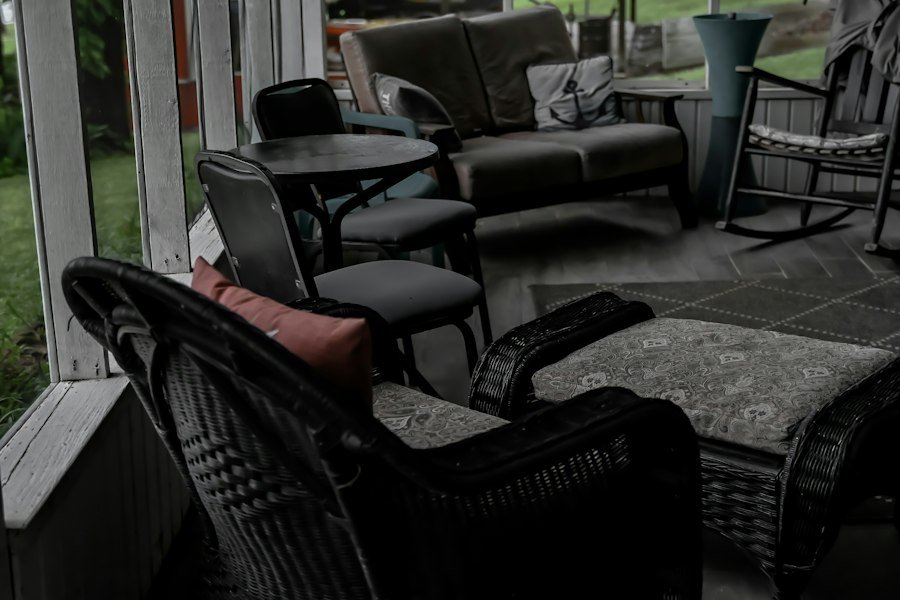
When you’re browsing, keep an eye out for these materials. They’re generally your best bet for longevity outdoors.
2.1 Aluminum
Aluminum is a fantastic choice because it doesn’t rust. It’s lightweight, so it’s easy to move, but that also means it can be more prone to blowing away in high winds if not properly weighted or anchored.
2.1.1 Powder-Coated Aluminum
This is aluminum that’s been treated with a protective coating. It not only looks good but also adds an extra layer of defense against scratching and UV fading, making it even more durable.
2.2 Steel (with caveats)
Steel is strong and heavy, offering good stability. However, untreated steel rusts, and quickly.
2.2.1 Stainless Steel
This type of steel is much more resistant to rust due to its chromium content. It’s pricier but often worth it for high-end, long-lasting pieces, especially in coastal areas where salt air accelerates corrosion.
2.2.2 Galvanized Steel
Galvanized steel has a protective zinc coating that helps prevent rust. It’s a step up from basic steel but not quite as robust as stainless steel against constant moisture exposure.
2.3 Teak Wood
Teak is the gold standard for outdoor wood furniture. It’s naturally rich in oils and silica, which makes it highly resistant to rot, insects, and moisture.
2.3.1 Teak’s Patina
Left untreated, teak will weather to a beautiful silvery-grey patina. If you prefer the original warm brown, you’ll need to clean and oil it periodically.
2.4 HDPE (High-Density Polyethylene) Wicker/Resin
This isn’t your grandma’s flimsy plastic furniture. Modern HDPE wicker is woven from synthetic fibers that look a lot like natural wicker but without any of the rot, fading, or cracking issues. It’s virtually maintenance-free.
2.5 Recycled Plastics
Furniture made from recycled plastics, often resembling wood, is incredibly durable. It won’t rot, splinter, or need painting, and it’s very heavy, making it stable in windy conditions. It’s also very easy to clean.
2.6 Concrete and Stone
Extremely durable and heavy, concrete and stone pieces are practically impervious to weather. They are, however, very difficult to move and can be quite expensive. They also absorb heat, which can make them uncomfortable on very hot days.
2.7 Marine-Grade Polymer (e.g., Polywood)
Similar to recycled plastics, marine-grade polymer is an excellent choice for areas with high humidity or saltwater exposure. It’s designed to withstand harsh marine environments, so your backyard is usually a breeze for it.
3. Fabric and Cushion Considerations
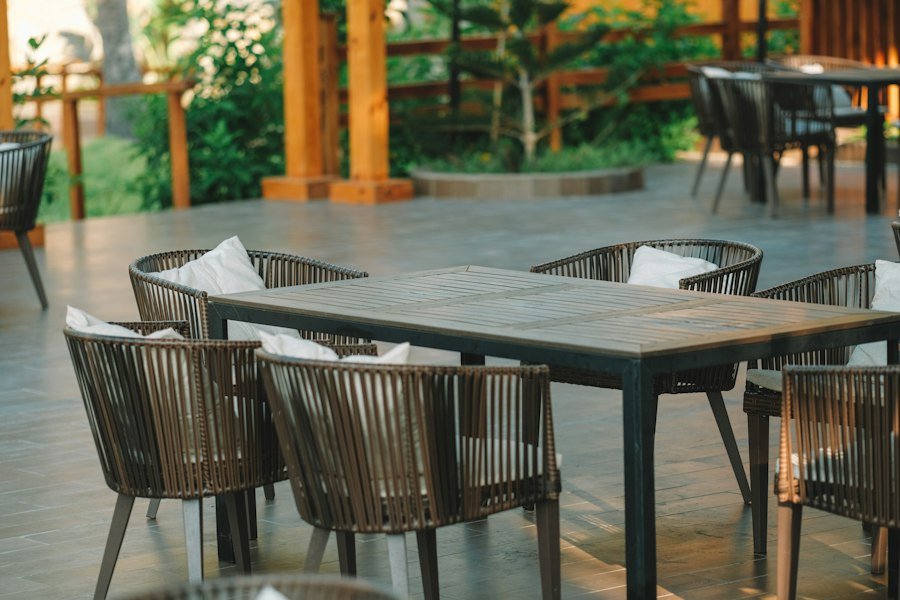
It’s easy to focus on the frame, but your cushions and slings are just as exposed to the elements.
3.1 Solution-Dyed Acrylic (e.g., Sunbrella)
This is the gold standard for outdoor fabric. The fibers are dyed before they’re woven, meaning the color goes all the way through, not just on the surface. This makes them incredibly resistant to fading from UV rays. They also resist mildew and are easy to clean.
3.2 Olefin/Polypropylene
A more budget-friendly option than solution-dyed acrylic, olefin is still very good for outdoor use. It’s colorfast, resistant to moisture, and reasonably durable against UV. It might not last quite as long as premium acrylics in intense sun but offers good value.
3.3 Polyester (with treatments)
Basic polyester isn’t ideal for long-term outdoor exposure. However, polyester that has been specially treated for UV resistance, water repellency, and mildew resistance can work well for covered patios or areas with less direct sun and rain. Always check for these specific treatments.
3.4 Quick-Drying Foams
Inside the cushion, look for “flow-through” or “quick-dry” foam. This type of foam is designed to let water drain right through, preventing it from saturating the cushion and leading to mildew or odor issues. Standard indoor foam will soak up water like a sponge and take ages to dry.
Looking to enhance your garden space? Check out our selection of Outdoor Furniture for stylish and durable options. Transform your patio with our premium range today!
4. Construction and Finish Details Matter
Beyond the main materials, how the furniture is put together and finished plays a huge role in its longevity.
4.1 Welded vs. Bolted Joints
For metal furniture, fully welded joints are generally stronger and more durable than bolted or screwed connections, which can loosen over time or allow moisture to seep in and cause rust. If you go with bolted, make sure the hardware is stainless steel.
4.2 Quality of Fasteners
Look at the screws, bolts, and other hardware. Are they stainless steel? Zinc-plated? Plain steel will rust, staining your furniture and possibly weakening the joints. Stainless steel is always preferred for outdoor use.
4.3 Finishes and Coatings
A good finish isn’t just for looks; it’s a protective layer.
4.3.1 Powder Coating
As mentioned with aluminum, powder coating is an excellent, durable finish for metals. It’s applied as a dry powder and then baked on, creating a hard, chip-resistant surface.
4.3.2 Marine-Grade Varnish/Sealant
For wood, especially less naturally resistant types, a marine-grade varnish or sealant offers significant protection against moisture and UV. It will need reapplication over time.
4.3.3 UV Inhibitors
For plastics and synthetic wickers, ensure they contain UV inhibitors. These additives prevent the material from becoming brittle and fading under sun exposure.
4.4 Weave Quality for Wicker
If you’re looking at synthetic wicker, check the weave. It should be tight and consistent, without loose ends or gaps. A hand-woven piece usually indicates better craftsmanship.
When selecting weather-resistant outdoor furniture, it’s essential to consider not only the materials but also the overall design and functionality of the pieces. For those looking to enhance their outdoor spaces, a related article on choosing the right accessories can provide valuable insights. You can explore this topic further in the article on outdoor furniture accessories, which complements your understanding of how to create a comfortable and stylish outdoor environment.
5. Practical Considerations and Maintenance
Even the most weather-resistant furniture benefits from a little care and thoughtful placement.
5.1 Your Local Climate is Key
What works in Arizona (dry heat) might struggle in Florida (humid, rainy).
5.1.1 Sun-Intensive Climates
Prioritize UV-resistant materials like solution-dyed acrylic, HDPE wicker, and treated recycled plastics. Aluminum and powder-coated steel are good for frames.
5.1.2 Rainy/Humid Climates
Focus on materials that don’t absorb water or rust, such as aluminum, HDPE wicker, teak, and marine-grade polymers. Quick-drying cushions are a must.
5.1.3 Coastal Environments
Salt air is incredibly corrosive. Stainless steel, marine-grade aluminum, HDPE wicker, and teak are your best bets. Avoid anything that isn’t specifically rated for coastal use.
5.2 Storage Options
Even the toughest furniture will last longer if protected during extreme weather or the off-season.
5.2.1 Covers
Quality furniture covers are an excellent investment. Look for ones made from breathable, waterproof material that fit well.
5.2.2 Indoor Storage
If you have space, bringing cushions and even lighter furniture indoors for the winter or during prolonged bad weather is ideal.
5.3 Maintenance Expectations
“Weather resistant” doesn’t mean “no maintenance.”
5.3.1 Regular Cleaning
Wipe down frames with mild soap and water to remove dirt, pollen, and grime. This prevents buildup that can trap moisture or promote mildew.
5.3.2 Cushion Care
Brush off debris, spot clean spills promptly, and ensure cushions dry thoroughly after rain. Some cushion covers are machine washable.
5.3.3 Wood Treatment
If you want to maintain teak’s golden-brown color, you’ll need to clean and oil it annually. Otherwise, just let it weather naturally.
5.3.4 Inspect Fasteners
Periodically check bolts and screws on metal furniture and tighten them if needed, especially if the furniture is moved frequently.
By keeping these points in mind, you’ll be well-equipped to choose outdoor furniture that not only looks great but also stands the test of time, saving you money and hassle in the long run.
FAQs
What materials are best for weather-resistant outdoor furniture?
Materials such as teak, cedar, aluminum, and all-weather wicker are excellent choices for weather-resistant outdoor furniture. These materials are durable and can withstand various weather conditions.
How important is proper maintenance for weather-resistant outdoor furniture?
Proper maintenance is crucial for weather-resistant outdoor furniture to ensure its longevity. Regular cleaning, applying protective coatings, and storing furniture during extreme weather conditions can help maintain its quality.
What features should I look for in weather-resistant outdoor furniture?
When choosing weather-resistant outdoor furniture, look for features such as rust-resistant hardware, UV-resistant finishes, and water-resistant cushions. These features can help the furniture withstand outdoor elements.
Is it necessary to cover weather-resistant outdoor furniture during the winter months?
While weather-resistant outdoor furniture is designed to withstand various weather conditions, it is still recommended to cover or store the furniture during the winter months to protect it from snow, ice, and extreme cold temperatures.
How can I ensure the longevity of weather-resistant outdoor furniture?
To ensure the longevity of weather-resistant outdoor furniture, it is important to follow the manufacturer’s care instructions, regularly clean the furniture, store it during harsh weather conditions, and make any necessary repairs or touch-ups as needed.