
Kiosk furniture is your solution if you want to maximize every square inch of your Malaysian business. It’s designed specifically to help businesses, especially those with limited space, optimize their layout, showcase products effectively, & serve customers efficiently. Consider it a clever, flexible solution that meets the particular needs of the Malaysian market and can be used for anything from pop-up stores to permanent retail fixtures. Space is a valuable resource in Malaysia’s frequently busy and cramped commercial environments, whether it’s a busy office lobby, a shopping mall, or a vibrant nite market. Kiosk furniture is a strategic tool for optimizing your footprint and making every inch work harder; it’s not just about setting up a counter.
Compact Business Models’ Ascent. In Malaysia, a growing number of companies—from aspirational startups to well-known brands—are adopting more compact, targeted retail spaces. Although rent savings are undoubtedly a factor, this change is more than that. Agility, reach, and developing highly focused customer experiences are also important. Kiosk furniture offers the following, which perfectly complements this trend.
For those interested in optimizing their food kiosk setup, exploring innovative furniture solutions can be incredibly beneficial. A related article that delves into enhancing outdoor spaces with versatile furniture options is available at Elevate Your Outdoors with BT Mart. This resource provides insights into how well-designed outdoor furniture can complement food kiosks, making them not only functional but also aesthetically pleasing.
Flexibility for Pop-Ups and Temporary Setups: Modular kiosk furniture enables rapid setup & disassembly, adapting to different locations without requiring a large investment in permanent structures, for businesses testing new markets or taking part in events like bazaars & expos. Cost-Effectiveness Compared to Conventional Retail Spaces: In desirable Malaysian locations, renting a full-sized shop lot can be very expensive. Kiosks provide a more cost-effective entry point, lowering overhead and enabling companies to devote more resources to marketing or product development. Accessibility in High-Traffic Areas: In malls or transit hubs, kiosks are frequently positioned in high-traffic areas where larger stores might not fit or be financially feasible. This puts a captive audience in front of your brand.
creating with Malaysian consumers in mind. Comprehending the local market is essential. Efficiency, esthetic appeal, & a strong value offer are valued by Malaysian customers.
When planning your backyard makeover, consider investing in quality Outdoor Furniture to enhance your outdoor living space. The right Outdoor Furniture can transform your patio into a cozy retreat. Discover the latest trends in Outdoor Furniture to elevate your garden’s aesthetic.
When carefully planned, kiosk furniture can accommodate these preferences. Cultural Nuances in Design: Although sleek, contemporary designs are popular, they can be made more appealing by adding elements that are in line with Malaysian esthetics, such as particular display features, color schemes, or material selections. Consider the perception of a particular wood finish or a striking accent color. Taking Care of Local Shopping Habits: A lot of Malaysians like to browse and value well-defined product categories. Kiosks need to facilitate this, allowing for easy viewing & interaction, even in a compact setting.
If you’re exploring innovative solutions for maximizing space in food kiosks, you might find the article on floodproof innovations particularly insightful. This piece discusses the resilience of outdoor furniture and how it can withstand various environmental challenges, which is essential for any kiosk setup. You can read more about it in this related article.
Consider how merchandise is arranged and how simple it is for customers to retrieve items. Durability and Climate Considerations: Due to Malaysia’s tropical climate, heat and humidity are constant. The materials used to make kiosk furniture must be sturdy and able to endure these circumstances without rapidly deteriorating or needing a lot of upkeep. This entails taking into account durable metals, moisture-resistant laminates, and finishes that are difficult to fade or warp. There is no one-size-fits-all approach when choosing kiosk furniture.
It necessitates careful consideration of your budget, brand, and unique needs. Recognizing Your Business Requirements. Take a step back and consider what you truly need the kiosk to do before you even start looking at designs. Product Display Requirements: What are you selling? Compared to apparel, food, or electronics, small items like phone accessories will have different display requirements.
How many products do you need to display at once? Do you need glass cases, hooks, shelving, or a combination of these? Operational Workflow: Consider the flow of transactions & customer interaction. Do you require a service counter, a cash register area, a food preparation zone, or a demonstration space?
Storage Solutions: Although frequently disregarded, this is essential. Where will you store extra inventory, packing materials, cleaning supplies, or personal belongings? Integrated storage options, such as lockable cabinets or drawers, are crucial for maintaining a neat and safe environment. Esthetics and Branding: Your brand is extended by your kiosk.
The design should complement your brand identity and draw in your target market. Does it have to be sleek & contemporary, rustic and endearing, or colorful & playful? Durability and Material Selection.
Your kiosk’s longevity & upkeep, in addition to its appearance, will be affected by the materials you select. Wood and laminates: Well-liked for their adaptability and visual appeal. While laminates offer a long-lasting, easily cleaned surface in a wide range of colors & finishes, wood offers a traditional appearance. They can imitate solid hues, stone, or wood grains.
Good laminates are resilient to normal wear and tear. Steel & aluminum are excellent materials for durability, modern esthetics, & structural integrity. Aluminum is lighter than steel, which makes it appropriate for portable kiosks.
For protection & style, both can be powder-coated in a variety of hues. Glass and acrylic are crucial components for display cases because they both protect and showcase products. Better durability and safety are provided by tempered glass.
Acrylic is frequently a good option for mobile units or locations where breakage is an issue because it is lighter and more resilient. Hybrid Materials: The best kiosks frequently combine different materials. Strength, style, & functionality are all combined in a wooden frame with a laminate countertop and glass display cases. Modularity & mobility. These features might not be negotiable depending on your business model. Wheels and Castors: Integrated wheels are a lifesaver for kiosks that must be moved frequently.
When using them, make sure they are sturdy and lockable for stability. Modular Components: Kiosks with modular sections can be reconfigured. They are highly adaptable for various events or locations because you can enlarge, reduce, or alter the layout as your needs change. Easy Assembly/Disassembly: Your kiosk will save a lot of time and effort if it is used for transient events.
Look for designs that require few tools or straightforward locking mechanisms. The main goal of kiosk furniture is to make the most of available space. This is about clever design that maximizes every aspect, not just having a small footprint. Vertical Utilization. Don’t only think outward; think upward.
High ceilings are common in Malaysian malls, and your kiosk can benefit from this. Multi-Tiered Shelving: Use several shelves to stack goods, particularly smaller ones, rather than just one level of display. This increases the display area without increasing the amount of floor space. Tall Display Cabinets: If your products are esthetically pleasing, use cabinets that extend above waist level. These enhance the presentation of the product & draw the eye upward.
Branding & Overhead Signage: Don’t waste the area above your kiosk. Use it for menu boards, illuminated signs, and noticeable branding. This guaranties that people will be able to see your kiosk.
features that are integrated. A small area can feel much larger and more useful with clever integration. Pull-Out Trays and Work Surfaces: Pull-out surfaces can be very helpful for short-term expansion or quick tasks.
Consider an extension for a payment terminal, a tray for packaging, or a tiny writing surface for forms. This is essential: under-counter storage. Make sure you have drawers, shelves, or cabinets in every available space beneath your main counter. This frees up important display space & keeps clutter out of sight. Electronics Hidden Compartments: Power outlets, network cables, & point-of-sale systems can be tucked away in special compartments to avoid unsightly wires & maintain a tidy, businesslike appearance.
Planning a layout effectively. A well-thought-out layout greatly benefits even a small space. Zoning for Functionality: Set aside distinct areas of your kiosk for various tasks, such as a display area, a transaction area, a preparation area (if relevant), & a storage area. Workflow and customer satisfaction are enhanced by this. Customer Flow Considerations: Make sure there is a clear path and that the products are easily accessible.
How will customers approach your kiosk? How will they move around it, if at all? Keep bottlenecks from forming.
Reducing Clutter: Clutter is more noticeable in a small area. Think about how products will be arranged & use clean lines when designing. Often, less is more; instead of giving the customer too many options, concentrate on emphasizing important items. In today’s digital age, your kiosk isn’t just a physical space; it’s often a point of technological interaction.
Smooth technology integration is essential. Systems for Point of Sale (POS). For smooth transactions, a contemporary point-of-sale system is essential. Integrated Cash Register/Payment Terminal Housing: Create areas specifically for your card readers, receipt printers, and cash register.
This keeps them safe, well-organized, and within easy reach of your employees. Cable management is essential. Power cords, network cables, & peripheral cables are securely tucked away thanks to built-in cable routing and grommets, avoiding trip hazards and preserving a polished appearance.
Device Security: To deter theft, especially in open-plan kiosk settings, think about lockable sections or mounting options for tablets or payment terminals. Interactive screens and digital displays. Both customer engagement and information delivery can be greatly improved by these. LED Screens for Menus or Promotions: Dynamic LED screens can effectively capture attention by showcasing product videos, rotating menus, special offers, or even live social media feeds in place of static posters.
Interactive Touchscreens for Product Information: For more complicated products, a touchscreen lets customers browse catalogs, personalize orders, or access comprehensive information without the need for staff assistance, freeing up your team to work on other projects. Connectivity (Wi-Fi, Power Outlets): Make sure your kiosk design includes power outlets that are easily accessible for all of your devices as well as a way for reliable Wi-Fi or wired internet access. Lighting Fixes. Good lighting affects presentation & atmosphere in addition to visibility. LED Strip Lighting: Energy-efficient and adaptable, LED strips can provide task lighting for workstations, create a contemporary atmosphere, or highlight products on shelves.
Spotlights for Product Focus: Make particular products or featured displays stand out by using targeted spotlights. Ambient Lighting for Overall Brightness: Make sure the entire kiosk, not just the display sections, is well-lit. This creates a professional and friendly atmosphere.
When you buy kiosk furniture, you want it to last. Particularly in Malaysia’s environment, careful consideration & appropriate selection go a long way. Cleaning and maintenance. Regular upkeep is easy but efficient.
Easy-to-Clean Surfaces: Give preference to materials that are simple to clean with common cleaning supplies, such as laminates, stainless steel, and powder-coated metals. This is crucial for food and drink kiosks in particular. Frequent Wiping and Dusting: In crowded areas, dirt & dust build up rapidly. Maintaining a clean & polished kiosk reflects well on your brand. Handling Spills Right Away: Don’t wait to clean up spills. Cleaning surfaces right away helps avoid stains & damage, especially for porous materials.
Repair & renovation. Even the best furniture will eventually show signs of deterioration. Modular Components for Simple Replacement: In the event that a portion of your kiosk sustains damage (e.g. “g.”.
It saves a lot of money and time to be able to replace a single part instead of the entire unit (a door, a shelf, etc.). Availability of Spare Parts: When making a purchase, find out if certain handles, hinges, or small panels are available. Professional Refurbishment Options: For more significant wear & tear, some manufacturers or specialized companies offer refurbishment services, which can extend the life of your kiosk furniture for many years, often at a fraction of the cost of buying new.
safeguarding your investment. A few proactive steps can prevent bigger problems down the line. Security Features: Integrated locks for cabinets, drawers, & display cases are crucial for safeguarding priceless equipment and inventory, particularly when the kiosk is left unattended.
Protective Coatings & Finishes: To avoid fading & deterioration from sun and rain, take into consideration UV-resistant and weather-resistant finishes for outdoor or semi-outdoor kiosks. Teaching Employees on Correct Use: To avoid unintentional damage, make sure your employees know how to operate movable parts, open and close drawers, and clean surfaces. Within the frequently constrained confines of urban commercial real estate, Malaysian companies can effectively use kiosk furniture to create dynamic, effective, and appealing spaces that boost engagement and sales by carefully taking these factors into account.
.
FAQs
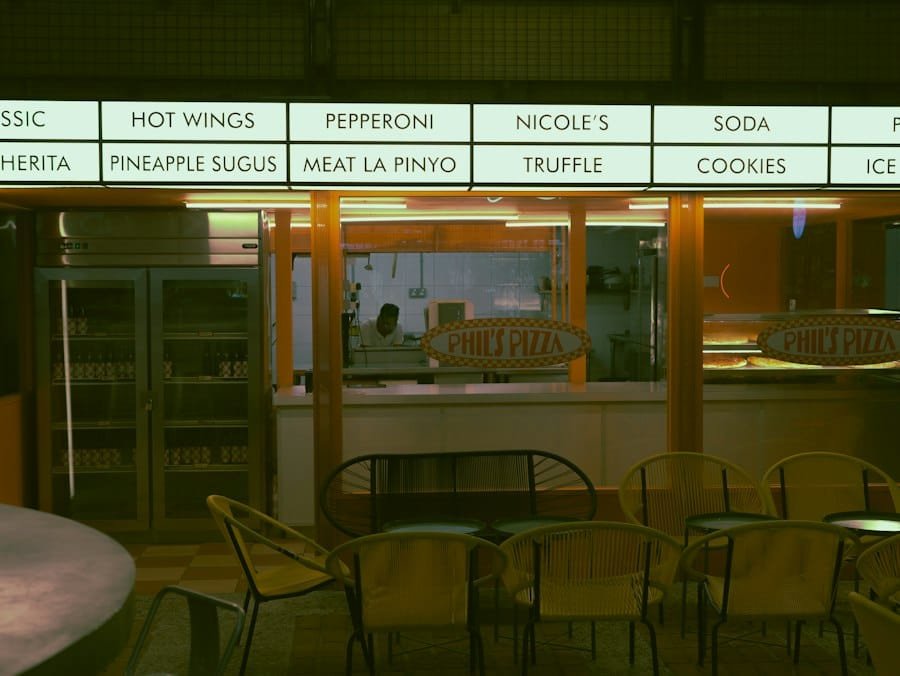
What is kiosk furniture?
Kiosk furniture refers to specially designed furniture pieces that are used in food kiosks to optimize space and functionality. These furniture pieces are typically compact, durable, and easy to clean.
What are the benefits of using space-saving furniture in food kiosks?
Using space-saving furniture in food kiosks helps maximize the limited space available, allowing for efficient movement of staff and customers. It also creates a more organized and visually appealing environment, which can attract more customers.
What types of space-saving furniture are commonly used in food kiosks?
Common types of space-saving furniture used in food kiosks include foldable tables and chairs, stackable stools, wall-mounted shelves, and multi-functional counters with built-in storage.
Where can I find kiosk furniture in Malaysia?
Kiosk furniture can be found in furniture stores, specialty stores that cater to food businesses, and online platforms in Malaysia. It is important to look for furniture that is specifically designed for commercial use in food kiosks.
How can I choose the right kiosk furniture for my food kiosk?
When choosing kiosk furniture for your food kiosk, consider factors such as the size of your space, the type of food you will be serving, the durability of the furniture, and the overall aesthetic appeal. It is also important to ensure that the furniture meets safety and hygiene standards.