
Matching your outdoor furniture with your home’s exterior design doesn’t have to be a head-scratcher. The quickest way to get it right is to consider your home’s existing architectural style and color palette as your primary guides. Think of your outdoor space as a natural extension of your indoor living areas, aiming for a cohesive look rather than a jarring contrast. It’s about creating a flow that feels intentional and inviting.
Before you even start browsing for patio sets, take a good, long look at your house. What’s its story? Its architectural style is the first and most crucial clue in figuring out what kind of outdoor furniture will truly complement it.
Modern and Contemporary Homes
If your home boasts clean lines, large windows, minimalist aesthetics, and often features materials like steel, glass, and concrete, you’ve got a modern or contemporary style on your hands. This calls for furniture that mirrors those characteristics.
- Sleek and Minimalist Designs: Look for pieces with simple, uncluttered forms. Think geometric shapes, thin frames, and an absence of ornate details.
- Materials that Reflect the Modern Aesthetic: Aluminum, stainless steel, and teak are excellent choices. Woven materials like synthetic wicker in neutral tones can also work if the weave is tight and streamlined. Concrete or stone tables can further enhance this look.
- Neutral Color Palettes with Pops of Color: Stick to grays, blacks, whites, and natural wood tones for the main furniture pieces. You can introduce vibrant accents through cushions, planters, or outdoor rugs, but keep it restrained.
Traditional and Colonial Homes
Homes with a more classic, established feel, often featuring pitched roofs, symmetrical windows, brick or clapboard siding, and perhaps decorative trim, fall into the traditional or colonial category. These homes appreciate a sense of history and timelessness.
- Classic Silhouettes: Opt for furniture with more classic, perhaps even slightly ornate, designs. Wrought iron bistro sets, Adirondack chairs, or even traditional wooden porch swings fit right in.
- Durable and Timeless Materials: Wrought iron is a classic for a reason – it’s sturdy and evokes a bygone era. Solid wood, like cedar or mahogany, also works beautifully. Wicker (natural or synthetic with a classic weave) is another strong contender.
- Warm and Inviting Colors: Earthy tones, deep greens, blues, and even classic white are excellent choices. Floral or striped patterns on cushions can add a touch of traditional charm without being overwhelming.
Rustic and Farmhouse Homes
If your home has a cozy, lived-in feel, perhaps with natural wood siding, stone accents, barn doors, or a general country aesthetic, you’re likely dealing with a rustic or farmhouse style. The goal here is comfort, authenticity, and a connection to nature.
- Chunky and Natural Designs: Think substantial, solid pieces that look like they could withstand the elements. Adirondack chairs are a natural fit here, as are picnic tables and benches.
- Natural Materials are Key: Reclaimed wood, distressed wood, cedar, and even stone are perfect. Look for furniture that embraces imperfections and natural textures. Rattan and natural wicker can also work well if they have a slightly more rugged or organic feel.
- Earthy and Muted Tones: Brown, beige, deep greens, and creams will complement this style best. Avoid anything too stark or artificial. Plaid or simple striped fabrics can add to the farmhouse charm.
Mediterranean and Spanish-Style Homes
Homes with stucco exteriors, terracotta roofs, archways, and wrought iron accents often lean into Mediterranean or Spanish influences. These homes exude warmth, a sense of drama, and a connection to sun-drenched landscapes.
- Ornate and Detailed Furniture: Wrought iron is practically a must-have here, often with intricate scrollwork. Heavy, carved wood pieces also fit the bill. Look for furniture with a substantial presence.
- Materials with Character: Wrought iron, dark woods, and ceramic tiles for tabletops are excellent choices. Consider mosaic elements for a touch of artistic flair.
- Warm and Rich Color Palettes: Terracotta, deep reds, ochres, blues, and natural creams work beautifully. Cushions with intricate patterns or solid jewel tones will enhance the look.
If you’re looking to enhance your outdoor space, you might find it helpful to explore the article on Choosing the Right Outdoor Furniture for Your Style. This resource provides valuable insights on selecting furniture that complements your home’s exterior design, ensuring a cohesive and inviting atmosphere. By understanding the various styles and materials available, you can create an outdoor area that not only matches your home’s aesthetic but also meets your functional needs.
Harmonizing with Your Home’s Color Palette
Once you’ve got a handle on the architectural style, it’s time to think about color. Your home’s exterior color scheme isn’t just about the walls; it includes your trim, doors, roof, and even landscaping. The goal is to select furniture colors that either blend seamlessly or provide a thoughtful contrast.
Matching Existing Hues
This is the safest bet for a cohesive look. If your house has significant gray tones, consider gray outdoor furniture. If it’s a warm beige, earth-toned furniture will blend beautifully.
- Subtle Blending: Choose furniture in shades that are just a few tones lighter or darker than your main exterior color. This creates a sophisticated, monochromatic look without being too matchy-matchy.
- Accenting with Trim Colors: If your trim is a distinct color (e.g., white trim on a blue house), you could use that trim color for cushions or smaller accent pieces in your outdoor furniture. This ties everything together subtly.
Creating Thoughtful Contrast
Sometimes, a little contrast is exactly what’s needed to make your outdoor space pop. The key is thoughtful contrast, not jarring opposition.
- Warm vs. Cool: If your house is a cool tone (like blue or gray), introducing warm-toned furniture (like natural wood or terracotta cushions) can create a pleasing visual dynamic. Conversely, a warm-toned house might benefit from cooler-toned furniture.
- Light vs. Dark: A very light-colored house can often handle darker furniture to ground the space, while a dark house might benefit from lighter furniture to add brightness.
- Consider Your Landscaping: The colors of your plants, flowers, and even natural stone in your landscaping can also inform your furniture color choices, helping to bridge the gap between your home and your garden.
Considering Scale and Proportion
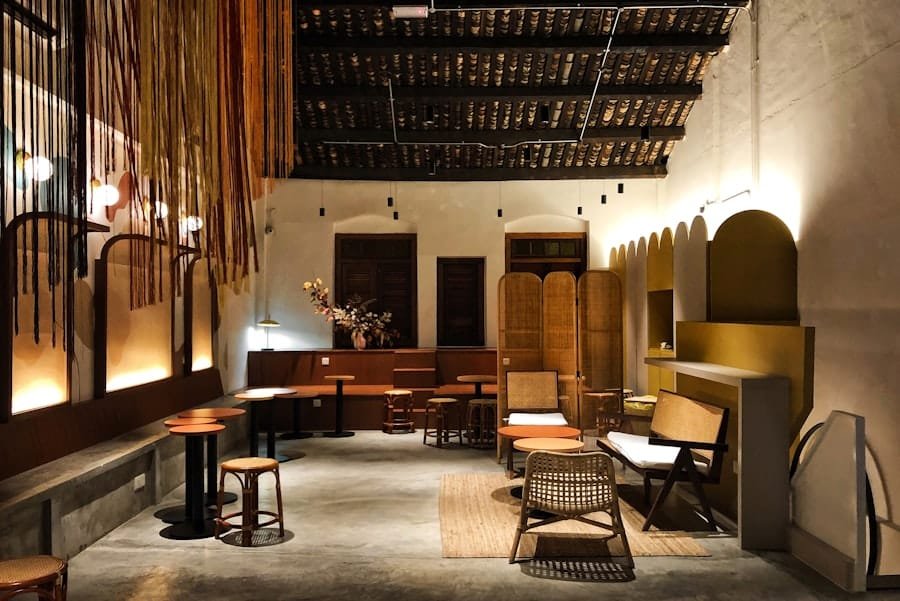
This is where many people go wrong. Even if the style and color are perfect, furniture that’s too big or too small for your space and your home can look awkward.
Furniture Size Relative to Your Home’s Scale
A grand, sprawling home might dwarf a tiny bistro set, making it look out of place. Conversely, a small cottage could be overwhelmed by a massive sectional.
- Large Homes: Can typically accommodate larger, more substantial furniture pieces. Think deep-seated sofas, large dining tables, and multiple seating areas.
- Smaller Homes/Spaces: Benefit from more compact, multi-functional furniture. Bistro sets, smaller armchairs, or benches that tuck away neatly are good options. Don’t overcrowd the space; less is often more.
Furniture Size Relative to Your Outdoor Space
Measure, measure, measure! Before you buy anything, know the dimensions of your patio, deck, or balcony.
- Allow for Flow: Ensure there’s enough room to comfortably walk around the furniture without bumping into things. You should ideally have at least 2-3 feet of clearance around dining tables and seating arrangements.
- Don’t Block Views or Pathways: Position furniture so it doesn’t obstruct beautiful views or create awkward pathways to doors or other areas of your yard.
- Visual Weight: Consider the “visual weight” of the furniture. A solid, chunky piece has more visual weight than an open, airy one. Balance this with the size of your space.
Sure, here is the sentence with the clickable link:
I love to relax in my backyard with beautiful Outdoor Furniture.
Choosing the Right Materials
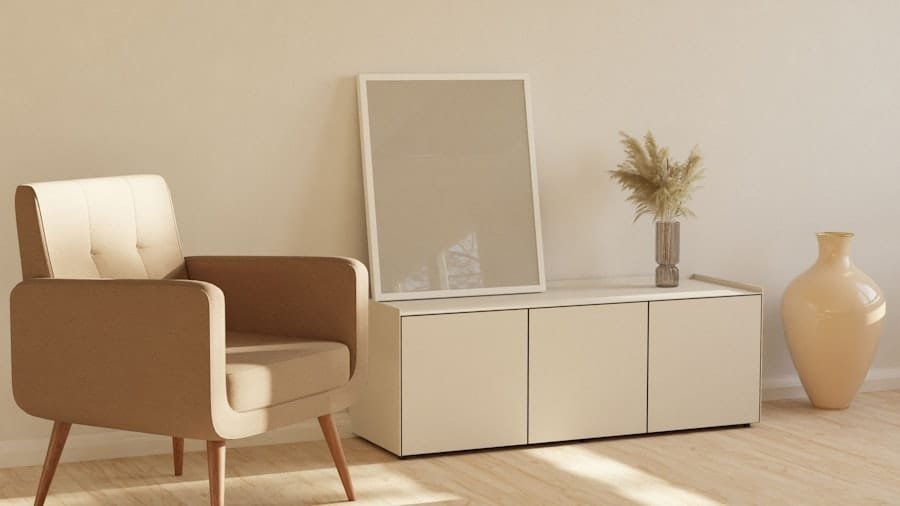
The materials of your outdoor furniture play a huge role in both aesthetics and practicality. They need to withstand the elements while also looking great with your home.
Durability and Maintenance
This is often overlooked in the quest for style, but it’s crucial for long-term satisfaction.
- Aluminum: Lightweight, rust-resistant, and low maintenance. Great for modern homes.
- Wrought Iron: Heavy, durable, and classic. Can rust if not properly maintained (painting/sealing). Ideal for traditional or Mediterranean styles.
- Teak: A beautiful hardwood that is naturally weather-resistant due to its high oil content. It will weather to a silvery-gray patina if left untreated, which is desirable for many styles. Requires minimal maintenance.
- Eucalyptus/Acacia: More affordable hardwoods than teak, but still good for outdoor use. May require more regular oiling to maintain their appearance and longevity.
- Synthetic Wicker/Resin Wicker: Made from weather-resistant plastics woven over an aluminum frame. Comes in many styles, from modern to traditional. Very low maintenance.
- Stainless Steel: Modern, sleek, and highly durable. Excellent for contemporary homes, but can get hot in direct sun.
- Concrete/Stone: Very heavy and durable. Great for tabletops or benches in modern or rustic settings.
Material Texture and Finish
The texture and finish of your furniture materials also contribute significantly to the overall look.
- Smooth and Polished: Best for modern or contemporary homes, contributing to a sleek feel.
- Rough and Natural: Ideal for rustic or farmhouse styles, emphasizing authenticity and connection to nature.
- Woven and Intricate: Works well for traditional, colonial, or even some Mediterranean styles, adding detail and charm.
- Matte vs. Glossy: Matte finishes tend to be more understated and modern, while glossy finishes can add a touch of glamour or a more traditional polished look.
When considering how to match outdoor furniture with your home’s exterior design, it’s also beneficial to explore various collections that can enhance your outdoor space. For instance, you might find inspiration in the BT Marts collection of outdoor furniture, which offers a range of styles and materials that can complement different architectural aesthetics. This can help you create a cohesive look that ties your indoor and outdoor areas together seamlessly.
Integrating Accessories and Landscaping
Don’t stop at the furniture! The details are what really tie your outdoor space to your home’s exterior.
Cushions, Pillows, and Rugs
These are your secret weapons for adding personality and bridging color gaps.
- Echo Exterior Colors: Choose cushion fabrics that pick up on accent colors from your home’s trim, front door, or even roof shingles.
- Introduce Complementary Patterns: If your home is very simple, a patterned cushion can add interest. If your home has a lot going on, stick to solid colors or subtle textures.
- Outdoor Rugs: Define your outdoor living spaces and introduce another layer of color and texture. Choose a rug that complements your furniture and home style. A jute rug for a rustic home, a geometric pattern for modern, or a classic floral for traditional.
Planters and Greenery
Plants are essential for any outdoor space, and the planters themselves can be a design element.
- Material and Style of Planters: Match your planters to your home’s style. Terracotta pots for Mediterranean, sleek metal or concrete planters for modern, distressed wood barrels for farmhouse.
- Plant Choices: Consider the colors of your plants and flowers. Do they complement your home’s exterior? Even the type of foliage (succulents for modern, lush ferns for traditional) can contribute to the overall vibe.
Lighting and Decorative Accents
The right lighting and a few well-chosen decorative items can elevate your outdoor area significantly.
- Lighting Fixtures: Match the style of your outdoor sconces or string lights to your home. Modern homes call for minimalist fixtures, while traditional homes might suit lanterns or more ornate options.
- Outdoor Art and Sculptures: If you have space, a piece of outdoor art can be a focal point. Again, ensure its style aligns with your home’s aesthetic.
- Fire Pits and Water Features: These larger elements should also be chosen with your home’s style in mind. A sleek gas fire pit for a modern home, a rustic stone one for a farmhouse, or a tiled water feature for a Mediterranean abode.
By thoughtfully considering your home’s architecture, color scheme, the scale of your space, material choices, and the power of accessories, you can create an outdoor area that feels like a natural and beautiful extension of your home. It’s about creating a harmonious whole that you’ll love spending time in.
FAQs
What are some tips for matching outdoor furniture with your home’s exterior design?
Some tips for matching outdoor furniture with your home’s exterior design include considering the architectural style of your home, choosing furniture that complements the color scheme of your exterior, and selecting materials that are suitable for the climate in your area.
How can I determine the right size and scale of outdoor furniture for my space?
To determine the right size and scale of outdoor furniture for your space, consider the size of your outdoor area, the layout of your outdoor space, and the number of people you typically entertain. It’s important to choose furniture that allows for comfortable movement and conversation.
What are some popular materials for outdoor furniture?
Popular materials for outdoor furniture include teak, aluminum, wrought iron, and wicker. Each material has its own advantages and considerations, such as durability, maintenance, and style.
What are some ways to add personality to outdoor furniture to match your home’s exterior design?
You can add personality to outdoor furniture to match your home’s exterior design by incorporating decorative pillows, outdoor rugs, and accessories that reflect your personal style and the overall aesthetic of your home. Additionally, consider adding plants and greenery to enhance the outdoor space.
How can I create a cohesive look between my outdoor furniture and my home’s exterior design?
To create a cohesive look between your outdoor furniture and your home’s exterior design, consider using similar color palettes, textures, and design elements. Additionally, incorporating outdoor lighting and coordinating outdoor decor can help tie the overall look together.