
Figuring out outdoor furniture that can handle the relentless tropical weather without falling apart can feel like a mission. The good news is, you don’t have to settle for anything less than durable, stylish pieces that can withstand the humidity, sun, and rain. The key is choosing the right materials. Think of it like packing for a trip to the tropics – you pick breathable, quick-drying fabrics. The same principle applies to furniture. You’ll want materials that don’t absorb water, resist rust and UV damage, and are generally low maintenance. This guide will walk you through some of the best options and things to consider, so you can create an outdoor oasis that lasts.
Tropical climates are beautiful, but they can be tough on your belongings, especially your outdoor furniture. Before we dive into specific materials, it’s helpful to understand exactly what makes this environment so challenging. It’s not just about the occasional downpour; it’s a persistent, year-round battle.
The Triple Threat: Sun, Rain, and Humidity
- Intense UV Radiation: The sun in tropical regions is powerful. It can bleach colors, weaken materials, and make them brittle over time. Think of how quickly a poorly chosen plastic toy fades left in the sun – furniture can experience similar damage. This means UV resistance is a huge factor.
- Heavy Rainfall and High Humidity: Tropical rain can be torrential and frequent. Furniture needs to be able to shed water quickly and dry out effectively. High humidity also plays a role, promoting the growth of mold and mildew, which can stain and degrade materials. It also contributes to rust on metal components.
- Salt Spray (Coastal Areas): If you live near the coast, you’re dealing with an extra layer of challenge: salt spray. Salt is corrosive and can wreak havoc on many materials, especially metals. This requires even more specific material choices and potentially extra protective measures.
The Consequences of Poor Choices
Choosing the wrong furniture for a tropical climate can lead to a quick cycle of replacement. You might initially save money on cheaper items, but they’ll quickly show signs of wear and tear. This can include:
- Fading and Discoloration: Colors turn dull or washed out, making your outdoor space look tired.
- Rust and Corrosion: Metal frames develop unsightly and structural damage.
- Wood Rot and Warping: Natural woods can absorb moisture, leading to rot, mold, and structural instability.
- Fabric Degradation: Cushions become moldy, mildewed, or the fabric itself breaks down.
- Structural Weakness: Joints loosen, and materials become brittle, making furniture unsafe.
When considering the best options for waterproof outdoor furniture suitable for tropical weather, it’s essential to explore various materials and designs that can withstand high humidity and heavy rainfall. A related article that provides valuable insights on enhancing your outdoor space is available at Elevate Your Outdoors with BT Mart. This resource offers tips on selecting durable furniture that not only complements your outdoor aesthetic but also ensures longevity in challenging weather conditions.
Top Waterproof Furniture Materials for the Tropics
When selecting furniture for a tropical environment, the material is king. You want materials that are naturally resistant to moisture, UV rays, and the other elements. Here’s what to look for:
High-Quality Plastics and Resins
Modern plastics have come a long way from the brittle, cheap-looking options of the past. High-density polyethylene (HDPE) and resin wicker are excellent choices for their durability and resistance.
Recycled HDPE (Polymer) Lumber
- What it is: This isn’t your average plastic. It’s made from post-consumer recycled plastic, compressed and molded into a sturdy lumber-like material. Think of it as plastic that’s been engineered for outdoor resilience.
- Why it’s great for tropics:
- Moisture Proof: It simply doesn’t absorb water. No rot, no swelling, no mildew.
- UV Resistant: It’s formulated with UV inhibitors that prevent fading and cracking from intense sun exposure. Colors stay vibrant for years.
- Low Maintenance: A quick rinse with soap and water is usually all it needs. No need for sanding, staining, or sealing.
- Durable: It’s incredibly strong and resistant to impact, chips, and scratches.
- Saltwater Friendly: No worries about corrosion from coastal air.
- Things to consider: It can be heavier than some other materials and the initial investment might be higher, but it pays off in the long run with its lifespan. Look for brands that offer good warranties.
Resin Wicker (All-Weather Wicker)
- What it is: This looks like natural wicker but is made from synthetic materials like HDPE or PVC. It’s woven over a sturdy frame, typically aluminum.
- Why it’s great for tropics:
- Waterproof Weave: The resin itself is waterproof and resistant to mold and mildew.
- UV Protection: High-quality resin wicker is treated to withstand fading and cracking from sun exposure. Cheap versions will look tired quickly.
- Lightweight: It’s generally lighter than solid resin, making it easier to rearrange.
- Aesthetic Appeal: It offers a classic, sought-after look that can complement various outdoor styles.
- Things to consider: The quality varies significantly. Look for brands that explicitly state UV resistance and use a strong, rust-proof frame (aluminum is best). Check the weave for any loose strands or potential weak points.
Powder-Coated Aluminum Frames
For any furniture that involves a frame – whether it’s for seating, tables, or umbrella bases – aluminum is a solid choice, provided it’s treated correctly.
The Benefits of Aluminum
- Rust-Proof: Aluminum naturally resists rust. This is a massive advantage in humid, rainy environments where standard steel would quickly degrade.
- Lightweight: It’s relatively easy to move around, which can be helpful for repositioning furniture to catch a breeze or get out of a sudden shower.
- Good Strength-to-Weight Ratio: It’s strong enough to support comfortable seating and tabletops.
The Importance of Powder Coating
- Protection: Even though aluminum doesn’t rust in the same way steel does, it can oxidize. A high-quality powder coating provides an extra layer of protection against the elements, including UV rays and salt spray. It also gives the furniture its color and finish.
- What to look for: Ensure the powder coating is even, without blemishes or chipped areas. This indicates a more durable finish. Industrial-grade powder coating is usually the most robust for tropical conditions.
- Avoid Steel: While steel can be used if it’s specifically treated for marine environments (like stainless steel, which is very expensive, or properly galvanized and coated steel), regular steel frames are a definite no-go in the tropics due to rapid rust formation where the coating is compromised.
Marine-Grade Stainless Steel
If you’re looking for high-end, ultra-durable furniture, marine-grade stainless steel could be an option, but it comes with a significant cost.
When to Consider Stainless Steel
- Extreme Durability: It’s incredibly strong and resistant to corrosion, even in harsh saltwater environments.
- Modern Aesthetic: Often associated with a sleek, contemporary look.
The Downsides for Most
- Cost: This is the biggest barrier. Marine-grade stainless steel furniture is a substantial investment.
- Weight: It’s quite heavy, so repositioning furniture can be a real effort.
- Heat Retention: Metal can get very hot in direct tropical sun, making it uncomfortable to touch without cushions.
Specific Woods for Tropical Conditions
While many woods struggle in tropical humidity, a few are naturally resistant and can be excellent choices if maintained properly. The key here is natural resistance and proper sealing.
Teak Wood
- What it is: Teak is a tropical hardwood known for its natural oils and density. These oils make it remarkably resistant to water, rot, and insects.
- Why it’s good (with caveats):
- Natural Oils: The high concentration of natural oils repels water and prevents the wood from cracking, warping, or rotting.
- Insect Resistance: It’s naturally unappealing to termites and other pests.
- Weathering: Over time, teak will weather to a silvery-gray patina if left untreated. Many people find this look appealing.
- Things to consider:
- Cost: Teak is one of the more expensive wood options.
- Maintenance: To maintain its golden-brown color, it needs regular cleaning and oiling, which can be a commitment. If you let it weather, it still requires occasional cleaning to prevent mold and mildew growth.
- Sourcing: Ensure it’s sustainably sourced (look for FSC certification).
Eucalyputus (Specific Species)
- What it is: Certain species of eucalyptus, particularly those grown in tropical or subtropical regions, have natural oils and density that offer good resistance.
- Why it’s good (with caveats):
- Denser Options: Denser eucalyptus woods are more water-resistant than softer varieties.
- More Affordable: Generally less expensive than teak.
- Things to consider:
- Species Matters: Not all eucalyptus is created equal for tropical use. Research specific types known for outdoor durability.
- Finishing is Crucial: Unlike teak, eucalyptus typically requires regular sealing and oiling to prevent moisture absorption, cracking, and mildew. Without proper, consistent maintenance, it will not hold up well long-term.
Performance Fabrics for Cushions and Upholstery
The frame is only half the battle. For comfortable seating, you need cushions that can withstand the elements. Generic outdoor fabrics often aren’t enough for the relentless tropical onslaught.
Solution-Dyed Acrylics (e.g., Sunbrella)
- What it is: This is the gold standard in performance outdoor fabrics. The acrylic fibers are “solution-dyed,” meaning the color is infused into the fiber itself before it’s spun.
- Why it’s great for tropics:
- Fade Resistance: Because the color is inherent to the fiber, it’s incredibly resistant to fading from UV rays. Sunbrella fabrics often come with a 5-10 year warranty against fading.
- Water Repellent & Quick Drying: These fabrics are typically treated with a water-repellent finish and are designed to dry quickly.
- Mold and Mildew Resistance: They are inherently resistant to mold and mildew growth, which is crucial in high humidity.
- Durability: The fibers are strong and resistant to abrasion.
- Things to consider: It’s more expensive than ordinary outdoor fabrics, but the longevity and performance make it a worthwhile investment. Look for fabrics specifically rated for outdoor use.
Polyester Fabrics (Coated)
- What it is: Many “outdoor” fabrics are made of polyester, but its performance in tropical climates varies wildly depending on coatings and manufacturing.
- Why it might work (with caution):
- Cost-Effective: Often cheaper than acrylics.
- Can be Coated: Quality polyester might have a water-repellent and UV-resistant coating.
- Things to consider:
- Coating Wear: The effectiveness of the coating can diminish over time, especially with friction and constant exposure.
- Fading: Uncoated or poorly coated polyester will fade significantly faster than solution-dyed acrylics.
- Mold Risk: Can be more prone to mold and mildew if moisture gets through or the coating breaks down.
- Check Specifications: If considering polyester, look for specific mentions of UV treatment, water-repellency, and mold/mildew resistance. It’s often a compromise on durability for lower cost.
Mesh Fabrics (for Seating)
- What it is: Some outdoor chairs and loungers use a mesh-like fabric, often made of PVC-coated polyester.
- Why it’s good for tropics:
- Excellent Drainage/Drying: Water passes straight through, and it dries almost instantly.
- UV Resistant: The PVC coating typically offers good UV protection.
- Easy to Clean: A quick wipe down is usually all it takes.
- Things to consider: It might not offer the same plush comfort as thick cushions, though some are quite supportive. Check the quality of the mesh and the frame it’s attached to.
Choosing Your Outdoor Furniture Set
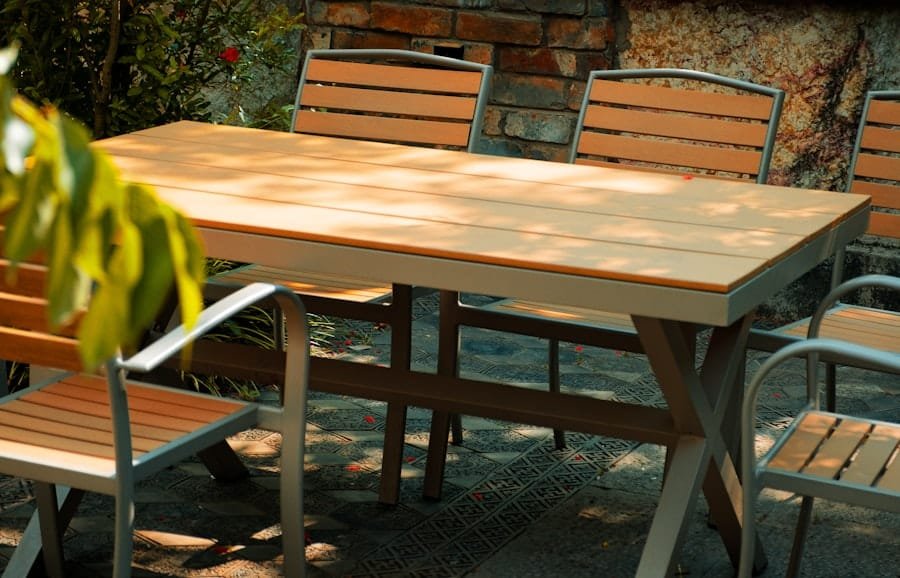
Once you understand the materials, you can start thinking about the types of furniture that will best suit your needs and withstand the tropical elements.
Dining Sets for Al Fresco Meals
Enjoying meals outdoors is a dream in tropical locales, provided your dining set can handle the weather.
Durable Tabletops
- Solid Resin/HDPE: Excellent choice. Impervious to water, easy to clean, and resistant to staining from food or drinks.
- Powder-Coated Aluminum: Also a good option. Lightweight and doesn’t rust. Ensure the coating is robust.
- Teak (with caution): Beautiful, but requires maintenance to keep its color. Will weather nicely if left alone, but will require cleaning to prevent mold.
- Ceramic/Stone (with robust frame): Can be durable, but the material itself can be heavy and prone to cracking or staining if not sealed or if the underlying base isn’t weather-resistant. Ensure the table base is a rust-proof material like aluminum.
Chairs That Last
- Resin Wicker Chairs: Comfortable and stylish, ensuring the wicker is high-quality and the frame is aluminum.
- Solid Resin/HDPE Chairs: Very practical, virtually maintenance-free, and inherently waterproof.
- Aluminum Frame Chairs with Performance Fabric: Offers a good balance of comfort and durability.
- Mesh Seating: Ideal for quick drying and minimal maintenance, though slightly less formal.
Comfortable Lounging: Sofas, Sectionals, and Loungers
Creating a relaxing outdoor living area requires pieces that are comfortable and can survive constant exposure.
Weather-Resistant Sofa and Sectional Frames
- Powder-Coated Aluminum: The go-to for rust-free durability and a lighter footprint.
- Recycled HDPE Lumber: Extremely durable, completely waterproof, and requires zero maintenance.
- High-Quality Resin Wicker: Visually appealing and durable if the weave quality is good and the frame is aluminum.
Cushions That Won’t Quit
- Solution-Dyed Acrylic Fabrics: This is where you absolutely do not want to skimp. Look for brands like Sunbrella, Tempotest, or similar high-performance materials. They are engineered to resist fading, water, and mold.
- Quick-Dry Foam Inserts: Crucial for cushions. These foams have an open-cell structure that allows water to drain through, preventing the dreaded soggy cushion syndrome that leads to mold and mildew breeding grounds.
- Removable, Washable Covers: Even the best fabrics can get dirty. Being able to remove covers for occasional deep cleaning is a major plus.
Sun Loungers
- Mesh/Textilene: Excellent for pool sides or areas prone to frequent splashing. They dry in minutes.
- Aluminum Frame with Performance Fabric: Offers a more cushioned experience and adjustable positions.
- HDPE Lumber Loungers: Extremely low maintenance and completely waterproof, though typically heavier and very solid.
Dining Alternatives: Bar Sets and Bistro Sets
For smaller spaces or just a different vibe, bar and bistro sets offer functionality and style.
Bar Sets
- Materials: Similar principles apply as dining sets. Look for powder-coated aluminum bar stools with comfortable, quick-drying seats, or HDPE bar stools paired with a bar-height table.
- Considerations: Ensure the height is comfortable for your intended use. Seating should be easy to wipe down after rain.
Bistro Sets
- Materials: Cast aluminum is a good option as it’s weatherproof and has a classic look. Resin wicker bistro sets with aluminum frames are also practical.
- Space Saving: Ideal for balconies or smaller patios. Look for sets where the chairs can tuck neatly under the table.
Important Accessories: Umbrellas and Shade Solutions
Protection from the sun is essential, not just for comfort but to prolong the life of your furniture and yourself.
Umbrellas Built for the Tropics
- Fabric: Solution-dyed acrylics are a must. They resist fading and water damage far better than polyester.
- Frame: Powder-coated aluminum is lightweight and won’t rust. Some heavier-duty options might use treated fiberglass.
- Base: A sturdy, weighted umbrella base is critical in windy conditions. Again, powder-coated aluminum or heavy resin is ideal. Ensure it’s large enough to prevent tipping.
Shade Sails and Pergolas
- Materials: Shade sails made from high-density polyethylene (HDPE) offer UV protection and are resistant to water and mold. For pergolas, choose weather-resistant wood like teak (if maintained) or opt for powder-coated aluminum structures.
- Integration: Consider how these integrate with your furniture arrangement to maximize shaded areas.
Sure, here is the sentence with the clickable link:
I love to relax in my backyard with beautiful Outdoor Furniture during the summer.
Maintenance and Care for Tropical Outdoor Furniture
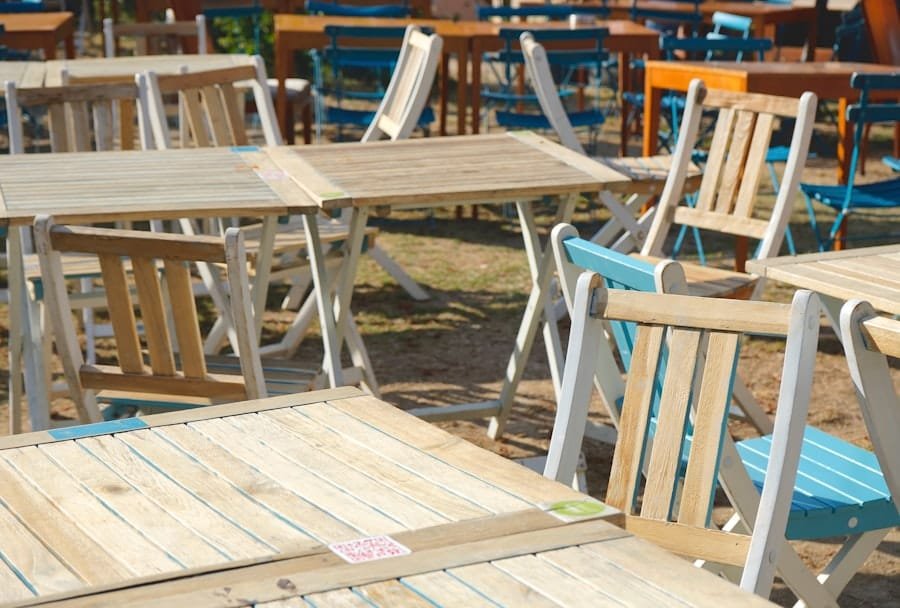
Even the most durable furniture needs a little attention to maximize its lifespan and keep it looking good. The good news for tropical dwellers is that the maintenance is generally simpler with the right materials.
Regular Cleaning Routines
- Hose Down: For most plastic, resin wicker, and aluminum furniture, a weekly or bi-weekly hose down is often sufficient to remove dust, pollen, and light grime.
- Mild Soap and Water: For tougher spots or general cleaning, use a mild dish soap and warm water. A soft brush or cloth is usually all you need.
- Rinse Thoroughly: Always rinse well with clean water to remove soap residue, which can attract dirt.
Dealing with Mold and Mildew
- Prevention is Key: Ensure furniture can dry quickly. Avoid leaving cushions out in prolonged rain if possible, or opt for quick-dry foam. Ensure good air circulation around your furniture.
- Treating Spots: If you do spot mold or mildew, a solution of equal parts white vinegar and water can often work. For stubborn cases, a diluted bleach solution (1/4 cup bleach to 1 quart of water) can be effective for certain materials (always test on an inconspicuous area first, especially on fabrics!). Rinse thoroughly afterward.
- Fabric Care: For performance fabrics, check the manufacturer’s guidelines. Many are machine washable or can be spot cleaned with specific solutions.
Protecting Seasonal Furniture (If Applicable)
While “seasonal” might not be the right term in the tropics, if you have pieces you use less frequently, consider how to protect them.
- Covers: High-quality, breathable outdoor furniture covers can be beneficial. Look for ones that are waterproof but allow for some air circulation to prevent moisture build-up underneath, which can lead to mold. Ensure they fit well and won’t blow off in windy conditions.
- Storage: If you have indoor storage space, even for a few months of the year, bringing furniture indoors can offer ultimate protection. However, with the right materials, this is often unnecessary.
Re-sealing and Oiling (for Wood)
- Teak: If you wish to maintain the golden-brown color of teak, it needs regular cleaning and application of teak oil or a sealant. This is a labor-intensive process but yields beautiful results. If you let teak weather to gray, it still requires periodic cleaning to remove algae or mildew.
- Eucalyptus: If you opt for eucalyptus, expect to re-seal or oil it at least once or twice a year, depending on exposure. This is crucial for its longevity.
When considering the best options for waterproof outdoor furniture suitable for tropical weather, it’s essential to explore innovations that enhance durability and resilience. A related article discusses the advancements in outdoor furniture design that can withstand extreme conditions, highlighting how materials and construction techniques contribute to longevity. You can read more about these innovations in the article on floodproof outdoor furniture, which provides valuable insights into making informed choices for your outdoor spaces. For further details, check out the article here.
Where to Find Quality Tropical Outdoor Furniture
Finding furniture that truly lasts in a tropical climate requires looking beyond the big-box stores or the cheapest options. Investing in quality upfront saves you money and hassle in the long run.
Specialty Outdoor Furniture Stores
- Expertise: These retailers often have staff knowledgeable about tropical climates and can guide you toward the best materials.
- Higher Quality Brands: They tend to carry brands known for durability and better warranties.
- Wider Selection: You’ll find a more curated selection of high-performance materials and designs.
Online Retailers with Strong Warranties
- Convenience: Shopping online can be convenient, but do your homework.
- Read Reviews Carefully: Pay attention to reviews from customers in similar climates.
- Check Warranties: Look for brands that offer substantial warranties on their materials, especially against UV damage, fading, and rust. A 5-10 year warranty on frames and fabrics is a good indicator of quality.
- Shipping Costs: Be mindful of shipping costs for large items.
Reputable Brands to Consider
While specific brand availability can vary, look for manufacturers that emphasize:
- Powder-coated aluminum frames.
- High-density polyethylene (HDPE) lumber.
- High-quality solution-dyed acrylic fabrics for cushions.
- Genuine all-weather resin wicker (not cheap plastic wicker).
- Sustainable teak sourcing.
Avoid Common Pitfalls
- “Outdoor” doesn’t always mean “Tropical Proof”: Many products labeled for outdoor use are not built to withstand the extreme conditions of consistent heat, humidity, and intense sun.
- Cheap Rattan or Wicker: Natural rattan and most cheap synthetic wicker will degrade quickly.
- Untreated or poorly treated metal: Will rust.
- Basic Polyester Fabrics: Will fade and degrade much faster than performance acrylics.
By focusing on the right materials and understanding the specific challenges of tropical weather, you can confidently select outdoor furniture that is not only beautiful and comfortable but also built to last for many seasons to come. Enjoy your outdoor haven!
FAQs
1. What is waterproof outdoor furniture?
Waterproof outdoor furniture is designed to withstand exposure to water and moisture without being damaged. It is typically made from materials such as resin, plastic, aluminum, or treated wood that are resistant to water damage.
2. What are the benefits of waterproof outdoor furniture for tropical weather?
Waterproof outdoor furniture is ideal for tropical weather because it can withstand heavy rain, high humidity, and intense sunlight without deteriorating. This type of furniture is resistant to mold, mildew, and fading, making it perfect for outdoor use in tropical climates.
3. What materials are commonly used in waterproof outdoor furniture for tropical weather?
Common materials used in waterproof outdoor furniture for tropical weather include synthetic rattan, polyethylene wicker, aluminum, teak, and marine-grade stainless steel. These materials are chosen for their durability and resistance to water damage.
4. How should waterproof outdoor furniture be maintained in tropical weather?
To maintain waterproof outdoor furniture in tropical weather, it is important to regularly clean it with mild soap and water to remove dirt and debris. Additionally, applying a protective sealant or UV-resistant coating can help prolong the lifespan of the furniture in tropical climates.
5. Where can waterproof outdoor furniture for tropical weather be purchased?
Waterproof outdoor furniture for tropical weather can be purchased from outdoor furniture retailers, home improvement stores, and online retailers. It is important to look for furniture specifically designed for outdoor use in tropical climates to ensure it is truly waterproof and durable.