
The global market for environmentally sustainable products has experienced substantial growth as consumer awareness of environmental impacts increases. Eco-friendly wood outdoor furniture represents a significant segment within this market, manufactured using wood sourced from certified sustainable forestry operations that adhere to responsible harvesting practices and forest management standards. This furniture category includes dining tables, seating, benches, and reclining furniture specifically engineered for outdoor use.
The wood undergoes treatment processes using low-VOC (volatile organic compound) or water-based finishes that meet environmental safety standards while providing weather resistance. Common sustainable wood species used include FSC-certified teak, eucalyptus, acacia, and reclaimed timber. Manufacturing processes for eco-friendly outdoor wood furniture typically involve minimal chemical treatments, with emphasis on natural preservation methods and renewable resource utilization.
These products are designed to meet durability requirements for outdoor conditions including UV exposure, moisture, and temperature fluctuations, while maintaining structural integrity over extended periods. The selection of sustainable outdoor furniture supports forest conservation initiatives and reduces the environmental footprint associated with traditional furniture manufacturing processes.
Key Takeaways
- Eco-friendly wood outdoor furniture offers sustainable and durable options for outdoor living spaces.
- Using eco-friendly wood helps reduce environmental impact by promoting responsible forestry and renewable materials.
- Proper maintenance, such as regular cleaning and sealing, extends the life of eco-friendly wood furniture.
- Various wood types like teak, cedar, and bamboo provide diverse design and style choices for outdoor furniture.
- Choosing eco-friendly wood furniture supports sustainable living and contributes to environmental conservation.
Benefits of Using Eco-Friendly Wood Outdoor Furniture
The advantages of opting for eco-friendly wood outdoor furniture extend beyond mere aesthetics. One of the most significant benefits is the reduction of environmental impact. Traditional wood sourcing often involves clear-cutting forests, leading to habitat destruction and loss of biodiversity.
In contrast, eco-friendly wood is typically harvested from sustainably managed forests, where trees are replanted and ecosystems are preserved. This practice not only helps maintain the balance of nature but also supports local economies that rely on sustainable forestry. Another compelling reason to choose eco-friendly wood outdoor furniture is its durability and longevity.
Many types of sustainable wood, such as teak or eucalyptus, are naturally resistant to decay and pests, making them ideal for outdoor use. This resilience means that eco-friendly furniture can last for many years with proper care, reducing the need for frequent replacements. Consequently, consumers save money in the long run while also minimizing waste associated with discarded furniture. Explore the latest trends and tips in Outdoor Furniture to enhance your backyard experience.
Types of Eco-Friendly Wood for Outdoor Furniture
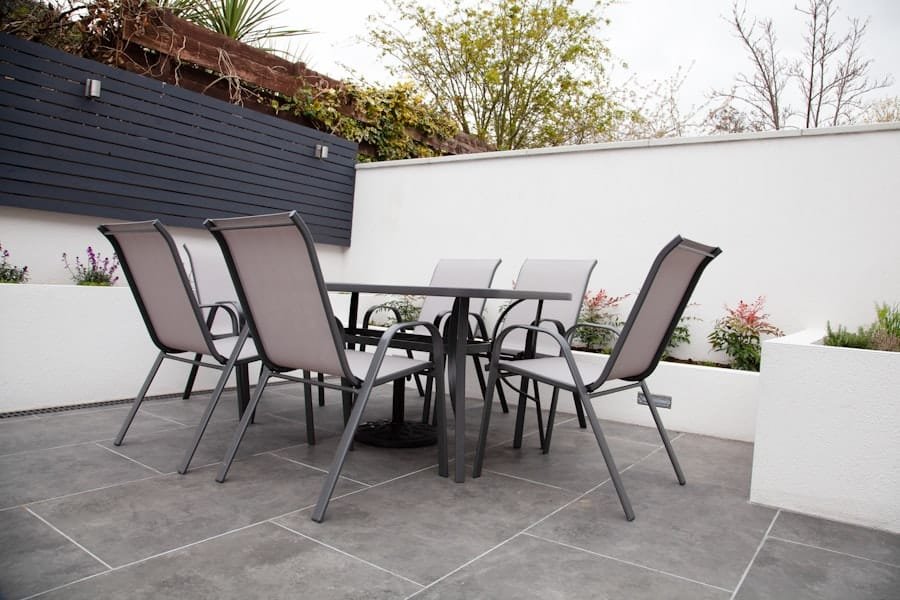
When it comes to eco-friendly wood for outdoor furniture, several species stand out due to their sustainability and durability. Teak is one of the most popular choices; it is renowned for its natural oils that provide resistance to moisture and insects. Teak trees are often grown in plantations that adhere to strict environmental standards, ensuring that their harvesting does not contribute to deforestation.
Another excellent option is eucalyptus, which grows rapidly and can be harvested in a sustainable manner. Eucalyptus wood is dense and durable, making it suitable for outdoor furniture that can withstand various weather conditions. Additionally, bamboo has emerged as a strong contender in the eco-friendly furniture market.
Although technically a grass rather than a wood, bamboo is incredibly strong and grows at an astonishing rate, making it one of the most renewable resources available. Reclaimed wood is also gaining popularity in the realm of eco-friendly outdoor furniture. This type of wood is sourced from old buildings, barns, or other structures that are no longer in use.
By repurposing this material, manufacturers not only reduce waste but also create unique pieces with character and history. Each reclaimed wood item tells a story, adding a layer of charm to outdoor spaces.
Maintenance and Care of Eco-Friendly Wood Outdoor Furniture
Proper maintenance is essential to ensure the longevity of eco-friendly wood outdoor furniture. While many sustainable woods are naturally resistant to the elements, they still require care to maintain their appearance and structural integrity. Regular cleaning is crucial; using a mild soap solution and a soft brush can help remove dirt and debris without damaging the finish.
It’s advisable to avoid harsh chemicals or abrasive materials that could strip away protective coatings. In addition to cleaning, periodic treatment with natural oils can enhance the wood’s resistance to moisture and UV rays. For instance, teak oil is often recommended for teak furniture as it helps maintain its rich color and prevents drying out.
Similarly, applying a protective sealant can provide an extra layer of defense against the elements. It’s important to follow the manufacturer’s guidelines regarding maintenance schedules and recommended products to ensure optimal care.
Design and Style Options for Eco-Friendly Wood Outdoor Furniture
Eco-friendly wood outdoor furniture comes in a myriad of designs and styles, catering to diverse tastes and preferences. From sleek modern lines to rustic charm, there is something for everyone. Contemporary designs often feature minimalist aesthetics with clean lines and geometric shapes, making them perfect for modern outdoor spaces.
These pieces can seamlessly blend with other materials like metal or glass, creating a sophisticated look. On the other hand, traditional styles often emphasize craftsmanship and intricate details. Items such as Adirondack chairs or farmhouse tables evoke a sense of nostalgia and warmth, making them ideal for cozy gatherings in backyards or patios.
Additionally, many manufacturers offer customizable options, allowing consumers to choose finishes, colors, and configurations that suit their specific needs. Moreover, eco-friendly wood furniture can be designed to serve multiple functions. For example, benches with built-in storage or tables that can expand for larger gatherings exemplify how functionality can be integrated into design without compromising sustainability.
This versatility makes eco-friendly wood outdoor furniture not only practical but also an attractive addition to any outdoor setting.
Environmental Impact of Eco-Friendly Wood Outdoor Furniture

The environmental impact of choosing eco-friendly wood outdoor furniture is profound and multifaceted. By selecting sustainably sourced materials, consumers actively participate in reducing deforestation rates and promoting biodiversity conservation. Sustainable forestry practices ensure that trees are harvested in a manner that allows ecosystems to thrive while providing habitats for wildlife.
Furthermore, the production processes associated with eco-friendly wood furniture often prioritize low-impact manufacturing techniques. Many companies utilize renewable energy sources in their operations and minimize waste through efficient production methods. This commitment to sustainability extends beyond the sourcing of materials; it encompasses the entire lifecycle of the product from creation to disposal.
Additionally, by investing in durable eco-friendly furniture, consumers contribute to a circular economy where products are designed for longevity rather than planned obsolescence. This shift not only reduces landfill waste but also encourages manufacturers to innovate in ways that prioritize environmental stewardship.
Tips for Choosing and Purchasing Eco-Friendly Wood Outdoor Furniture
When selecting eco-friendly wood outdoor furniture, several factors should be considered to ensure that your purchase aligns with your values and needs. First and foremost, look for certifications from reputable organizations such as the Forest Stewardship Council (FSC). This certification indicates that the wood has been sourced from responsibly managed forests that meet strict environmental standards.
It’s also essential to inquire about the manufacturing processes used by the company. Transparency regarding sourcing practices and production methods can provide insight into the brand’s commitment to sustainability. Additionally, consider the durability of the materials; investing in high-quality pieces may require a higher upfront cost but will pay off in longevity and reduced environmental impact over time.
Another important aspect is style compatibility with your existing outdoor decor. Take time to visualize how new pieces will fit into your space; consider color schemes, design elements, and overall aesthetics. Many manufacturers offer customization options that allow you to tailor pieces to your specific preferences.
Lastly, don’t overlook customer reviews and testimonials when making your decision. Feedback from other consumers can provide valuable insights into the quality and performance of the furniture you’re considering.
Embracing Sustainable Living with Eco-Friendly Wood Outdoor Furniture
As society increasingly recognizes the importance of sustainable living practices, eco-friendly wood outdoor furniture stands out as a practical choice for conscientious consumers. By selecting pieces made from responsibly sourced materials, individuals can enhance their outdoor spaces while contributing positively to the environment. The benefits extend beyond aesthetics; they encompass durability, reduced environmental impact, and support for sustainable forestry practices.
With a variety of styles available—from modern minimalist designs to rustic classics—there is an abundance of options to suit any taste or preference. Proper maintenance ensures that these pieces remain beautiful and functional for years to come, further solidifying their value as an investment in both style and sustainability. Ultimately, embracing eco-friendly wood outdoor furniture is not just about making a purchase; it’s about making a statement regarding one’s commitment to environmental stewardship and responsible living.
As more consumers choose sustainable options, they pave the way for a future where beauty and functionality coexist harmoniously with nature.
If you’re looking to enhance your outdoor space with sustainable options, consider exploring eco-friendly wood outdoor furniture. A great resource for this is the article on BT Mart’s collection of outdoor furniture, which highlights various sustainable choices that not only look great but also contribute to environmental conservation. You can read more about it in this article.
FAQs
What is eco-friendly wood outdoor furniture?
Eco-friendly wood outdoor furniture is made from sustainably sourced or reclaimed wood that minimizes environmental impact. It often uses non-toxic finishes and adhesives, ensuring the product is safe for both the environment and users.
What types of wood are considered eco-friendly for outdoor furniture?
Common eco-friendly woods include bamboo, reclaimed teak, cedar, redwood, and FSC-certified hardwoods. These woods are renewable, durable, and often harvested with sustainable forestry practices.
How does eco-friendly wood furniture benefit the environment?
Using eco-friendly wood reduces deforestation, lowers carbon footprint, and minimizes chemical pollution. Sustainable harvesting and production methods help preserve natural habitats and promote biodiversity.
Is eco-friendly wood outdoor furniture durable?
Yes, many eco-friendly woods like teak and cedar are naturally resistant to weather, insects, and decay, making them highly durable for outdoor use when properly maintained.
How should I maintain eco-friendly wood outdoor furniture?
Regular cleaning with mild soap and water, periodic application of natural oils or sealants, and protecting the furniture from extreme weather can extend its lifespan while maintaining its eco-friendly qualities.
Can eco-friendly wood outdoor furniture be recycled or composted?
At the end of its life, eco-friendly wood furniture can often be recycled or repurposed. Some untreated wood components may also be composted, reducing landfill waste.
Is eco-friendly wood outdoor furniture more expensive than conventional options?
Eco-friendly wood furniture can sometimes have a higher upfront cost due to sustainable sourcing and production methods, but its durability and environmental benefits often provide better long-term value.
Where can I buy eco-friendly wood outdoor furniture?
Many specialty retailers, online stores, and local artisans offer eco-friendly wood outdoor furniture. Look for certifications like FSC or labels indicating reclaimed or sustainably harvested wood.