
So, you’re wondering if it’s time to ditch that old garden table and chairs and invest in something new? It’s a fair question, and honestly, it depends on a few things. But generally, if your outdoor seating is starting to look a bit worse for wear, becoming uncomfortable, or even a safety hazard, it’s probably time for an upgrade.
Think of your garden furniture as an extension of your home’s comfort and style. When it starts to fall apart, it can really drag down the whole outdoor experience. Let’s dive into some of the tell-tale signs that your current set has seen better days and is ready for retirement.
When it comes to garden furniture, the materials it’s made from play a huge role in its longevity and appearance. Fabric, in particular, can be a quick indicator of wear and tear. It’s exposed to the elements constantly, and that takes a toll.
Fading and Discoloration
One of the first things you’ll likely notice is the color. Sun exposure, especially UV rays, will bleach out vibrant hues, leaving them looking washed out and dull. Even if the structural integrity is fine, a faded cushion or chair can make your entire patio look tired.
- What to look for: Are those once bright blues now a pale, dusty shade? Has the deep green of your cushions turned an almost sickly yellow? Uneven fading can also be a sign that some parts have been exposed more than others, indicating potential weakness.
- Beyond aesthetics: While it might just look a bit drab, significant fading can also mean the fabric’s protective coatings are gone. This makes it more susceptible to mildew, mold, and further degradation.
Tears, Rips, and Holes
This is a more obvious one. If you can see daylight through your cushions or the weave of your chair seats is starting to fray into holes, they’re definitely past their prime.
- Structural compromise: Tears aren’t just unsightly; they can compromise the support of the fabric. Sitting on a torn cushion might be uncomfortable, and a torn seat on a chair could lead to a fall.
- Hygiene concerns: Openings in fabric can allow moisture and dirt to seep into the padding, creating a breeding ground for bacteria and mold. This is particularly problematic for cushions.
Mold and Mildew: The Uninvited Guests
Persistent dampness is a garden furniture killer. Mold and mildew love to set up shop on fabric left out in the elements, especially in humid conditions.
- Visible signs: Look for fuzzy patches of green, black, or grey on the fabric. You might also notice a musty smell, even when the furniture is dry.
- Health implications: Beyond the look and smell, mold and mildew can release spores into the air, which can be problematic for people with allergies or respiratory issues. It’s also incredibly difficult to get rid of completely once it’s deeply ingrained.
- Material degradation: Mold and mildew can actually break down the fibers of the fabric over time, weakening it and leading to premature failure.
If you’re considering whether it’s time to replace your garden furniture, you might find it helpful to read the article “5 Signs It’s Time to Replace Your Garden Furniture.” This piece outlines key indicators that can help you determine if your outdoor seating and tables have seen better days. For more insights on maintaining your outdoor space, check out this related article on outdoor furniture care and selection at GSPrefab Outdoor Furniture.
Structural Weakness: When the Bones Start to Creak
It’s not just about the soft bits. The frame and supporting structures of your garden furniture are crucial for its function and safety. When these start to give way, it’s a clear sign that replacement is on the horizon.
Rust and Corrosion
If your furniture is made of metal, rust is the enemy. It starts subtly but can quickly spread, weakening the metal and making it brittle.
- Surface rust: Little orange-brown spots are the first warning. They might seem minor, but they indicate that the protective coating has been compromised.
- Deep corrosion: Over time, rust can eat away at the metal, creating holes, weakening joints, and even causing pieces to break off. This is especially dangerous for legs and supports.
- Impact on stability: Rusted joints or legs can make furniture unstable, increasing the risk of tipping or collapsing when in use.
Cracks and Splinters in Wood
Wooden furniture offers a natural beauty, but it requires maintenance. Without it, the wood can become dry, brittle, and prone to damage.
- Dryness and cracking: Prolonged exposure to sun and rain can dry out the wood, leading to superficial cracks and deeper fissures. These can make the surface uncomfortable to touch.
- Splinters: Jagged edges and splinters are not only uncomfortable but can also be a safety hazard, potentially causing minor injuries.
- Rotting: If water gets into cracks or the wood is constantly damp, it can start to rot. Look for soft, spongy areas, especially where pieces join or at the base of legs. Rotting wood loses its structural integrity rapidly.
Warping and Bending
Plastic and metal can also suffer from structural issues. Prolonged exposure to heat or stress can cause materials to warp or bend.
- Plastic fatigue: Over time, plastic can become brittle and lose its shape, especially under direct sunlight. You might notice chairs or tables sagging in the middle.
- Metal stress: While less common for everyday use, extreme heat can cause metal to warp. More likely, if a metal piece has been overloaded or stressed, it might develop a permanent bend.
- Consequences: Warped or bent furniture is not only visually unappealing but can also be unstable and uncomfortable to use.
Comfort is Key: When Sitting Becomes a Chore
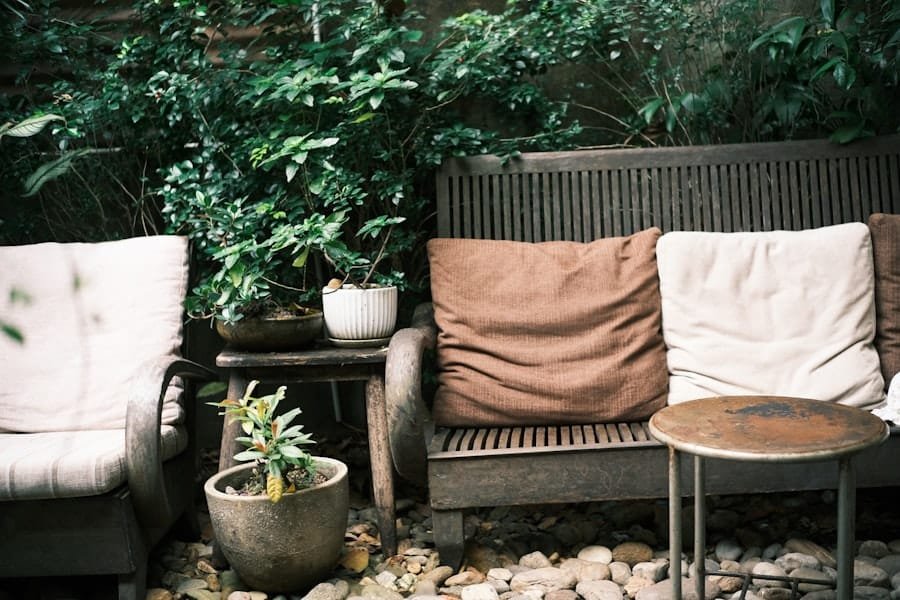
Garden furniture is meant to be a place of relaxation. If sitting down is no longer a pleasure, it’s a strong indicator that your furniture has served its purpose.
Sagging and Loss of Support
This is particularly relevant for chairs with fabric or cushioned seats. Over time, the padding compresses, and the underlying support can weaken.
- Cushion collapse: If your cushions feel flat and you can feel the frame underneath when you sit, they’ve lost their cushioning ability.
- Stretched webbing or straps: Many chairs use webbing or straps for support. If these become stretched out, they can sag significantly, making the chair uncomfortable and potentially unsafe.
- Reduced enjoyment: Ultimately, if your furniture isn’t comfortable to sit on for any length of time, you’re less likely to use and enjoy your outdoor space.
Wobbly Legs and Unstable Foundations
This is a major safety concern. Furniture that rocks, wobbles, or feels precarious is a recipe for disaster.
- Loose joints: Over time, screws, bolts, or joinery can loosen, especially with regular use and exposure to the elements.
- Uneven surfaces: If the legs are uneven, or if the frame itself is warped, the furniture won’t sit level. This can be exacerbated by settling in the ground or uneven patio tiles.
- Risk of accidents: A wobbly chair can tip over, and a table that isn’t stable is a risk for spilling drinks or food. This is especially concerning if you have children or elderly guests.
Uncomfortable Ergonomics
Sometimes, it’s not about the condition of the furniture itself, but how it’s designed or how it’s aged. Perhaps the angle of the backrest is no longer comfortable, or the armrests feel awkward.
- Outdated design: Trends change, and what was once considered comfortable might now feel dated and less accommodating.
- Wear and tear on posture: Even if the furniture isn’t actively breaking, the subtle sinking of cushions or slight shifts in the frame can alter the seating posture, leading to discomfort over time.
- Personal needs: As we age or our needs change, what was once a perfectly fine chair might become less suitable for our bodies.
Sure, here is the sentence with the clickable link:
I love to relax in my backyard with beautiful Outdoor Furniture during the summer.
Safety First: When Your Furniture Becomes a Hazard
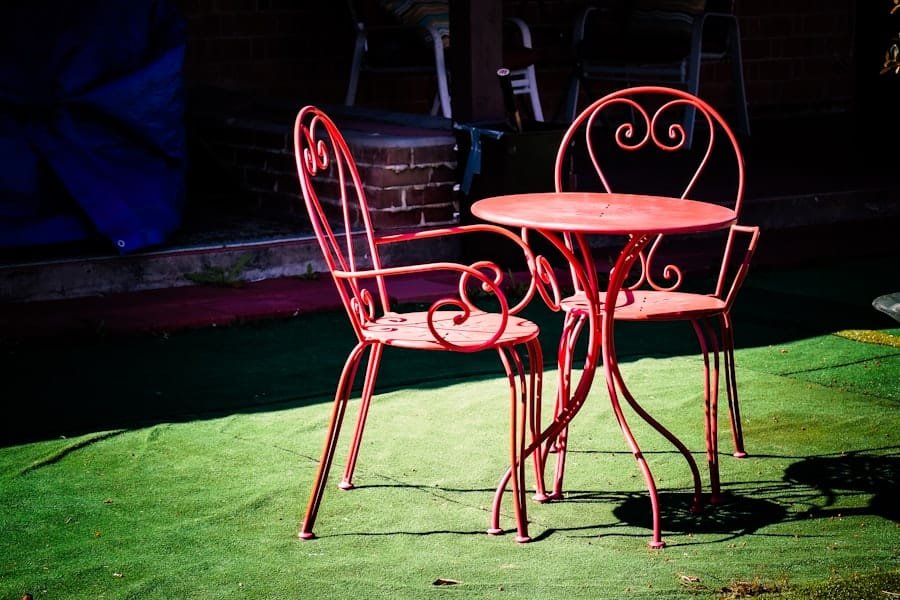
This is the most critical reason to replace your garden furniture. If it poses a risk of injury, it’s no longer just about aesthetics or comfort; it’s about personal safety.
Sharp Edges and Protruding Parts
When materials degrade or pieces break off, they can create dangerous sharp edges or bits that stick out.
- Splinters: As mentioned with wood, splinters can be a problem.
- Broken plastic or metal: A cracked plastic edge or a piece of metal that has broken off can leave behind a sharp, jagged surface.
- Tripping hazards: Loose or broken parts can also create tripping hazards in your garden.
Instability and Tipping Risk
This ties back into wobbly legs, but it’s worth reiterating. Furniture that is prone to tipping over can cause falls and injuries.
- Lightweight materials: Some furniture is designed to be lightweight, which can be convenient but also makes it more susceptible to tipping in windy conditions or if someone leans on it incorrectly.
- Age and wear: As joints loosen and materials weaken, even sturdy furniture can become unstable.
- Consider the environment: If your garden is on a slope or prone to strong winds, the stability of your furniture becomes even more important.
Compromised Structural Integrity
This is the overarching safety concern. If the fundamental structure of the furniture is failing, it’s a direct risk.
- Weight-bearing failure: The most dangerous scenario is when a chair or bench gives way under someone’s weight. This can happen with rusted metal, rotted wood, or severely degraded plastic.
- Table collapse: A table that is no longer stable can collapse, causing items to fall and potentially injure anyone nearby.
- Don’t wait for an accident: It’s always better to replace furniture before it reaches a point of catastrophic failure.
If you’re considering whether it’s time to replace your garden furniture, you might find it helpful to read about the latest innovations in outdoor furniture that can enhance your outdoor experience. For instance, an article discussing the resilience of BT Mart’s outdoor furniture highlights how modern designs can withstand various weather conditions, making them a worthwhile investment. You can explore this topic further in the article on floodproof innovations that showcase the durability and functionality of contemporary outdoor pieces.
The Aesthetic Impact: When Your Garden Looks Tired
While comfort and safety are paramount, the visual appeal of your garden furniture also matters. If your furniture is making your outdoor space look neglected, it’s a sign it’s time for a refresh.
Outdated Styles and Colors
Just like indoor decor, outdoor furniture styles evolve. What was once chic might now look dated.
- Faded or clashing colors: If your furniture’s colors are no longer in sync with your garden’s overall aesthetic, or if they’ve faded unevenly, it can look jarring.
- Unfashionable designs: Think of those heavy, ornate wrought-iron sets from decades past, or the very basic, brightly colored plastic sets. They might not fit with a modern garden design.
- Reflecting your taste: Your garden furniture should reflect your personal style and enhance the beauty of your outdoor space.
Mismatched Sets
Over time, you might have replaced individual pieces, leading to a collection of furniture that doesn’t quite go together.
- Hodgepodge effect: A collection of chairs from different sets, a table that’s a different material or color, can create a chaotic look.
- Visual disharmony: A cohesive set creates a sense of order and intentionality in your garden. A mismatched collection can look accidental and unkempt.
- Investment in a new set: Sometimes, investing in a new, coordinated set can completely transform the look and feel of your garden.
General Wear and Tear Affecting Appearance
Even if there are no major structural issues, the cumulative effect of minor wear and tear can make furniture look unappealing.
- Scratches and dents: While minor, a surface covered in scratches and dents can make furniture look old and unloved.
- Grime and staining: Persistent dirt, grime, or stains that won’t wash off can make even well-structured furniture look unhygienic and worn.
- The overall impression: When the collective appearance of your furniture suggests neglect, it detracts from the enjoyment of your garden.
Cost vs. Benefit: The Value of Replacement
Sometimes, the decision comes down to economics. Is it worth repairing that old set, or is it time to bite the bullet and buy new?
The Cost of Repairs
Consider the expense and effort involved in repairing damaged furniture.
- Material costs: If you need to replace cushions, fabric, or parts, these can add up.
- Labor costs: If you’re not doing the repairs yourself, professional help can be costly.
- Ongoing maintenance: Even after repairs, will the furniture require constant upkeep to prevent further deterioration?
The Lifespan of Your Furniture
Different materials have different lifespans. Knowing this can help you assess if your current furniture is nearing its natural end.
- Plastic: Can be prone to UV damage and brittleness.
- Metal (powder-coated aluminum, stainless steel): Generally durable but can still rust or corrode if the coating is damaged.
- Wood (teak, cedar): Can last a very long time with proper maintenance but requires regular oiling and sealing.
- Wicker/Rattan (natural and synthetic): Natural versions are susceptible to the elements; synthetic versions are more durable but can still degrade.
The Long-Term Value of New Furniture
A new set, while an initial investment, can offer a better return in the long run.
- Durability: Modern outdoor furniture is often designed with longevity and weather resistance in mind.
- Reduced maintenance: Many new materials require less upkeep than older types.
- Enjoyment and usability: New furniture can significantly improve your experience and encourage you to spend more time outdoors.
- Aesthetic upgrade: A fresh, new look can revitalize your garden.
Ultimately, your garden furniture should enhance your life outdoors. If it’s becoming a burden – visually, physically, or financially – it’s probably time to consider what new pieces will bring you the most joy and functionality for years to come.
FAQs
What are the signs that indicate it’s time to replace garden furniture?
Some signs that indicate it’s time to replace your garden furniture include rust, mold, cracks, fading, and wobbliness. These signs can indicate that the furniture is no longer safe or functional for use in your garden.
How often should garden furniture be replaced?
The lifespan of garden furniture can vary depending on the material and quality. However, on average, garden furniture should be replaced every 5-10 years to ensure safety and functionality.
What are the best materials for long-lasting garden furniture?
Materials such as teak, cedar, aluminum, and stainless steel are known for their durability and longevity in outdoor settings. These materials are resistant to rust, mold, and fading, making them ideal for garden furniture.
How can I maintain my garden furniture to prolong its lifespan?
Regular cleaning, applying protective coatings, storing furniture during harsh weather, and using furniture covers can help prolong the lifespan of garden furniture. Additionally, avoiding excessive weight and impact on the furniture can also help maintain its integrity.
Where can I find eco-friendly options for garden furniture replacement?
Many retailers offer eco-friendly options for garden furniture, including those made from recycled materials or sustainably sourced wood. Additionally, there are specialty stores and online retailers that focus on eco-friendly and sustainable outdoor furniture options.